
Brick has always carried colour as an intrinsic part of its character. From the warm reds that define historic townscapes to the pale, mineral tones found in coastal and continental architecture, the colour of clay gives buildings their identity and sense of place. Today, architects and developers have access to a broader and more controlled palette than ever before. This allows brick to do more than simply provide a durable outer skin. It becomes a tool for shaping atmosphere, responding to context and supporting architectural intent. Among the most influential colour directions in contemporary design are traditional red and orange tones, deep modern greys and, increasingly, a family of soft pastel bricks that bring lightness and subtlety to the built environment.
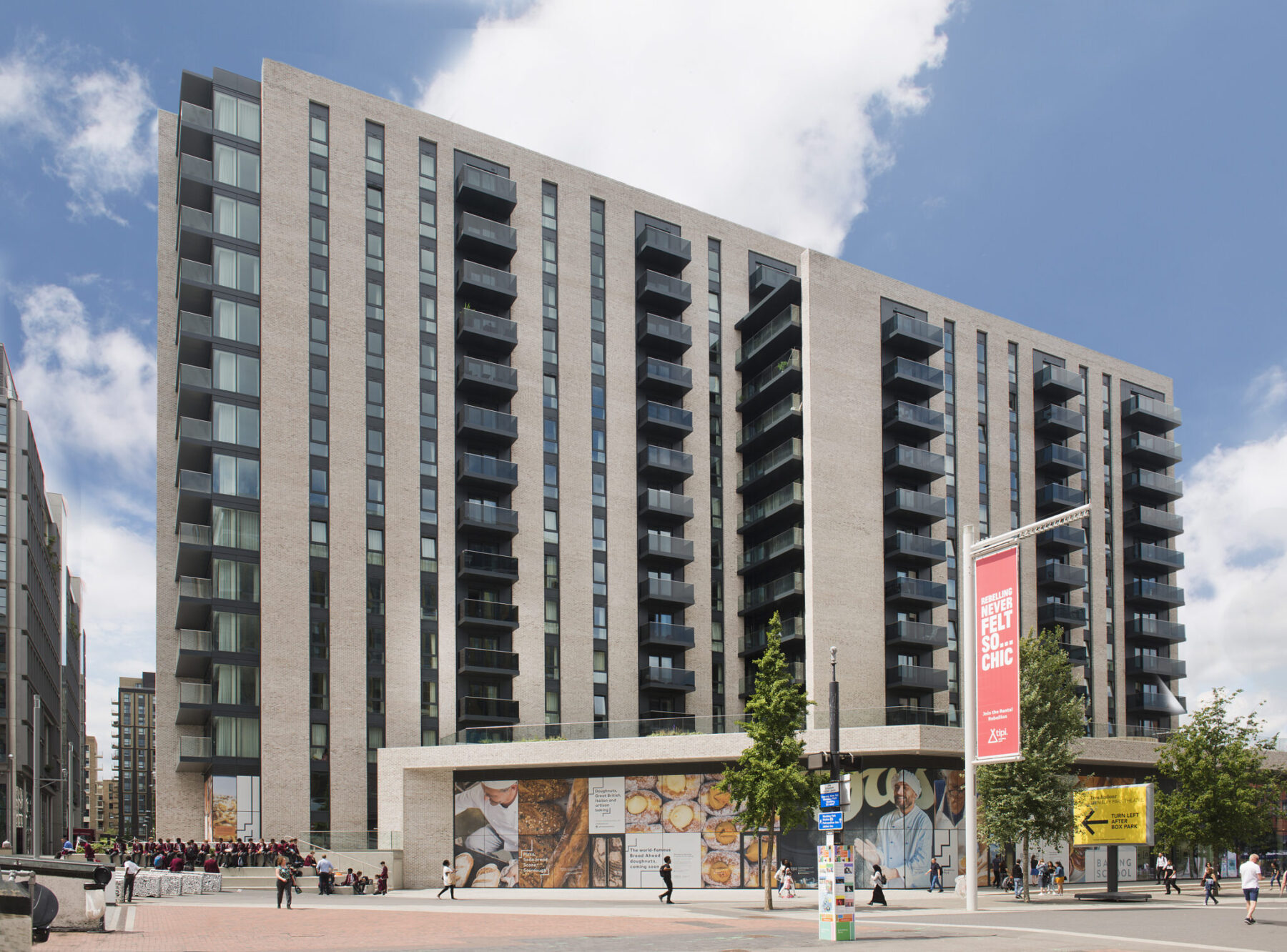
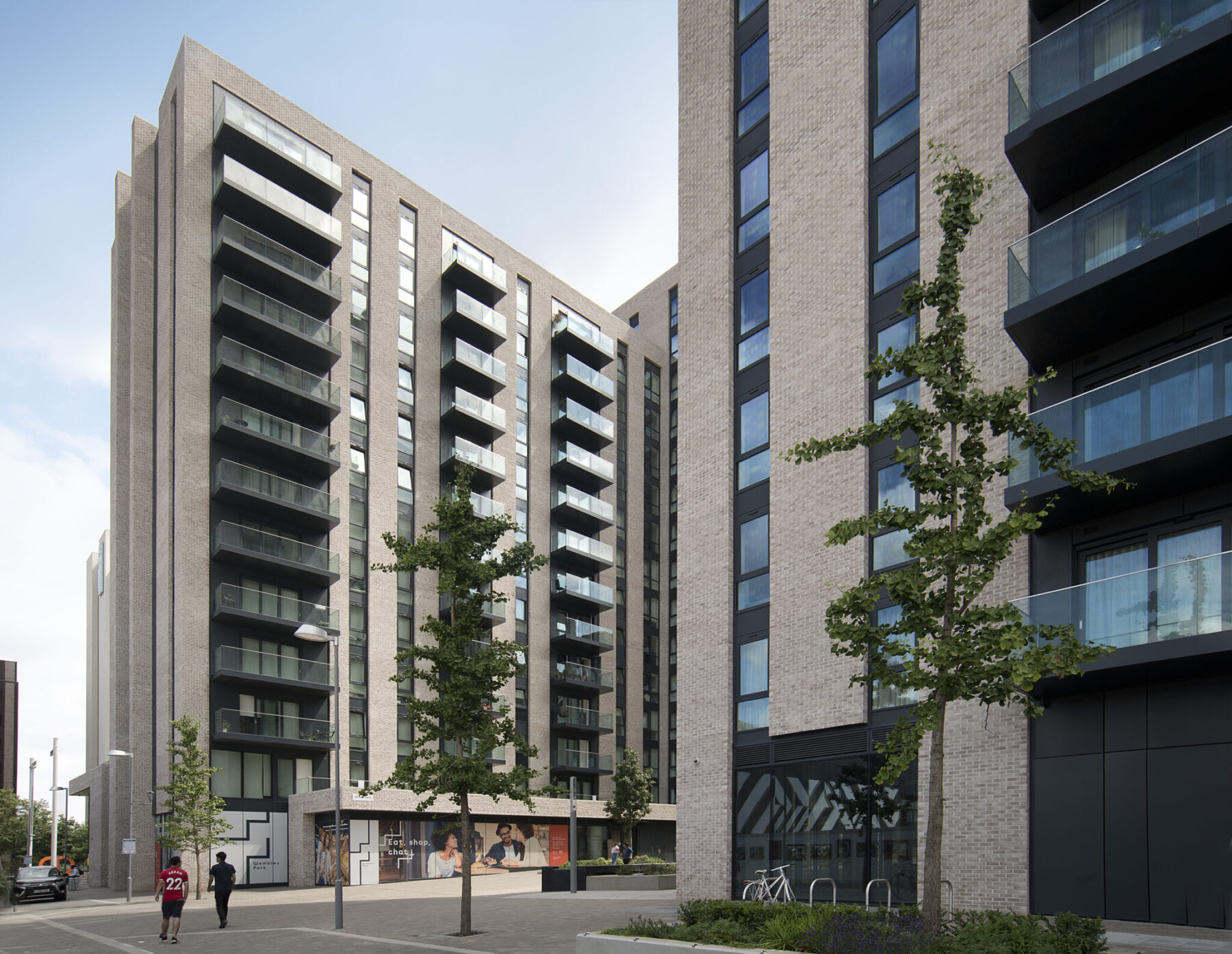
Pastel bricks, such as Floren’s Polaris, are now widely used across housing, education and mixed-use developments. Their pale mix of grey, white and browns have long been part of brickmaking, often reflecting the natural composition of the clay itself. What has changed is the way these colours are being used. As architecture moves towards calmer, more human-centred spaces, lighter brick tones are helping buildings feel more open and welcoming. By reflecting more natural daylight, pastel façades reduce visual weight, making large elevations appear less imposing, particularly in dense urban settings. The effect is one of softness and balance, with subtle tonal variation adding interest without relying on strong contrasts or decorative treatments.
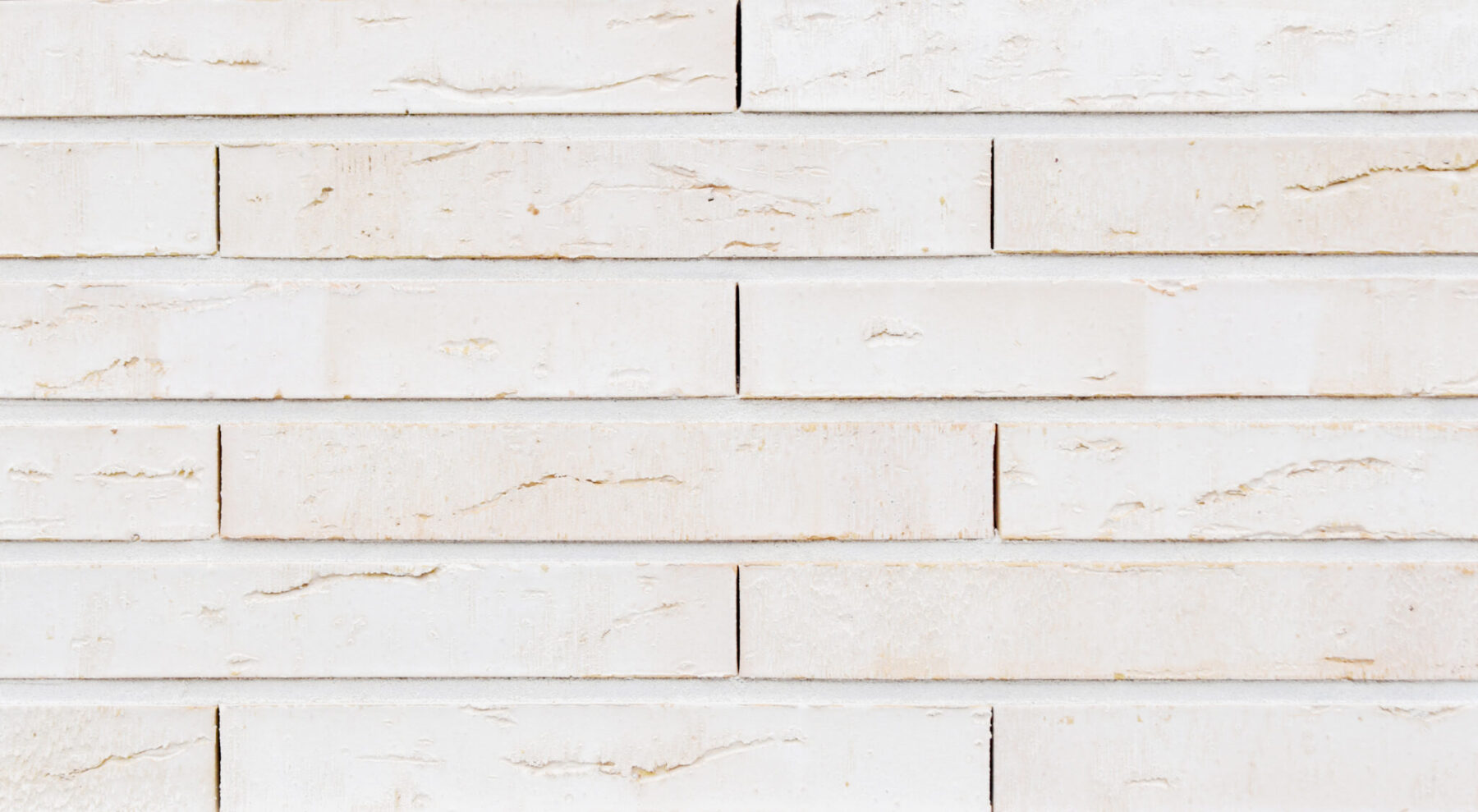
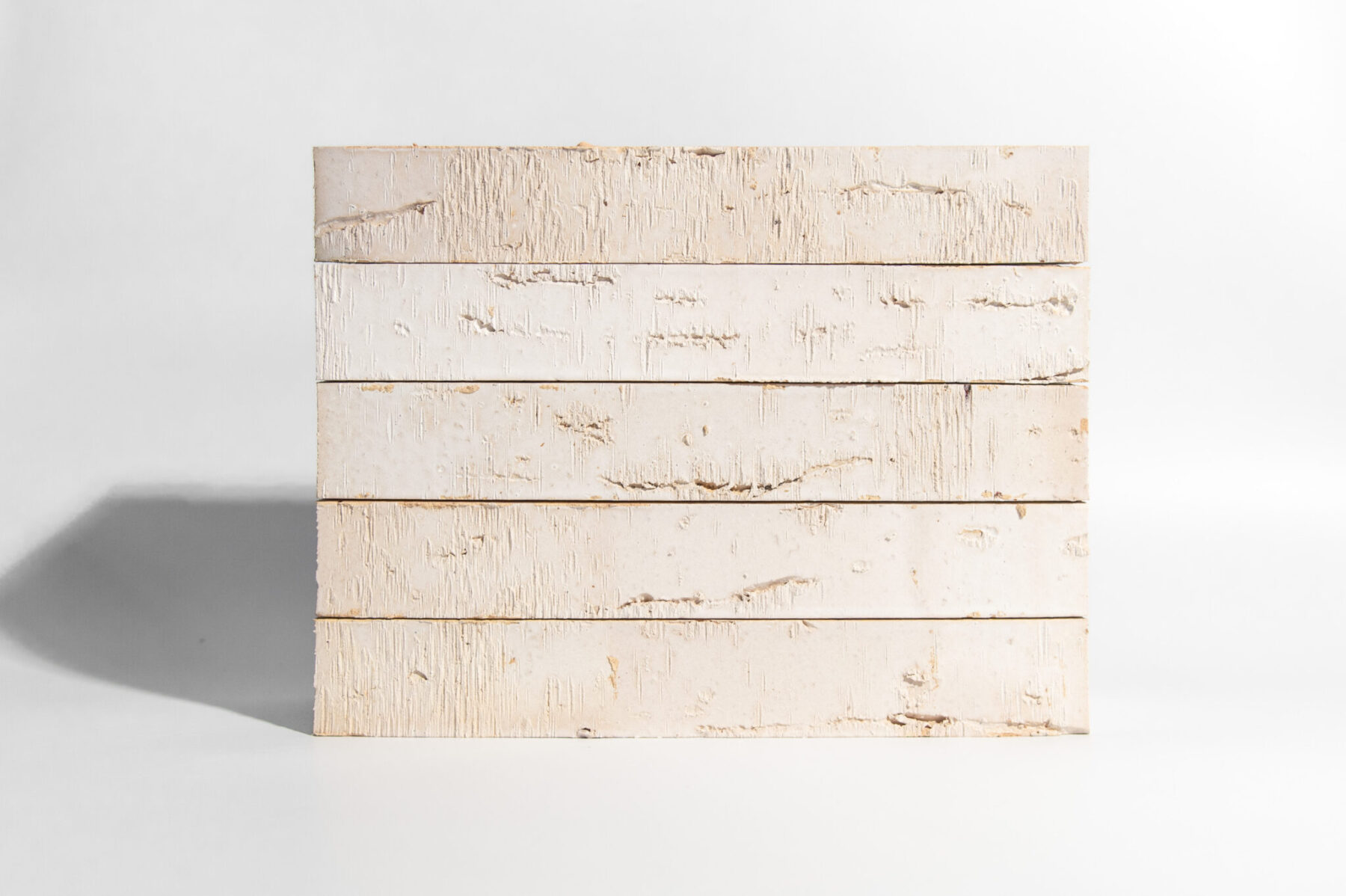
This approach to colour is also evident in Floren’s latest development, the Brighton White facing brick. Designed as a refined long-format brick with a contemporary character, Brighton White brings a sense of precision and elegance to modern façades. Produced in a range of sizes, the 40mm high format 270x83x40 enhances horizontal expression and supports slender, carefully detailed elevations. The bricks are made from a yellow clay body finished with a white clay layer that is fired together with the brick, creating a predominantly white surface with gentle, irregular hints of yellow or pink occasionally showing through. This natural variation adds depth and warmth, ensuring the façade remains visually rich rather than flat or sterile.
The surface of Brighton White is inspired by traditional waterstruck bricks, giving every brick its unique appearance with a soft, lightly textured finish that catches light in a subtle way. Minor differences in colour and texture between production batches are part of its appeal, reinforcing the sense of authenticity and craft that architects increasingly value. With a homogeneous structure and no lime or other inclusions that could lead to long-term damage, Brighton White is also designed for durability and consistency, making it suitable for high-end architectural applications where performance and appearance are equally important.
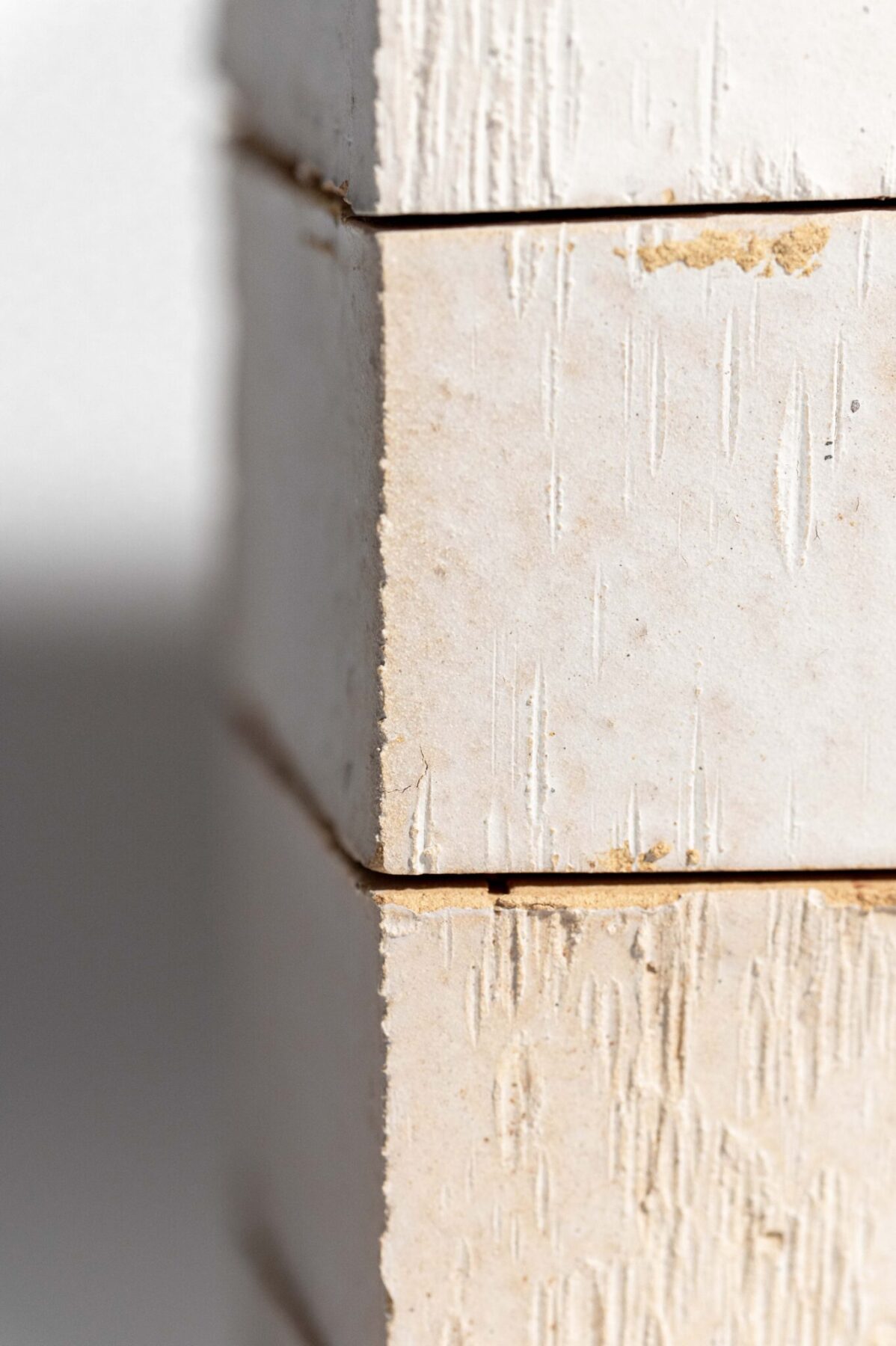
As colour choices become more nuanced, accurately assessing bricks before they reach the site has never been more important. High-quality digital tools now allow designers to view tone, texture and variation in exceptional detail, helping to ensure the selected brick performs as expected once installed. At floren.be, super high-resolution panel scans and sample ordering make it easier to compare options and achieve confident, well-informed selections, whether matching an existing building or defining a new architectural language.
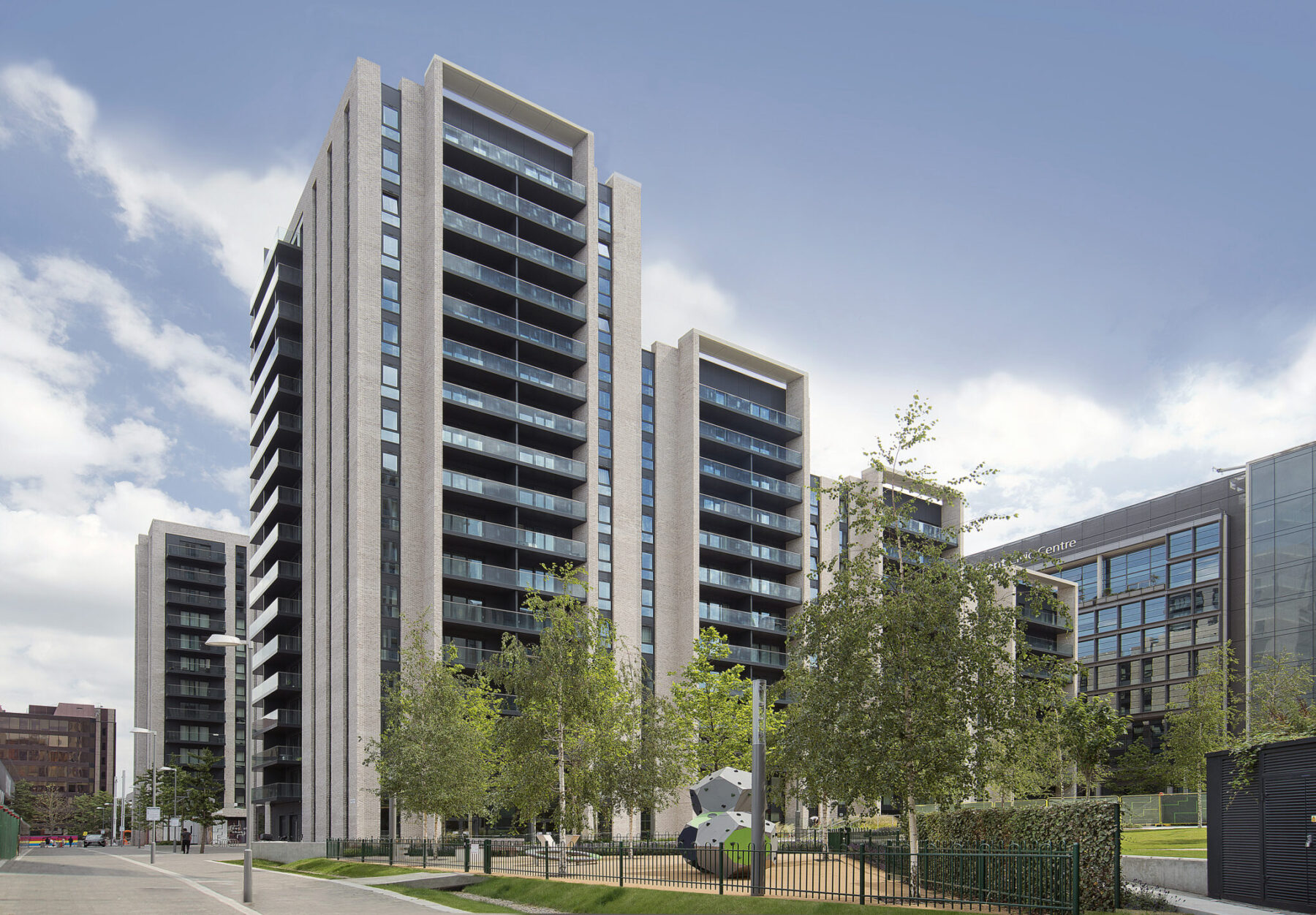
From soft pastels and rustic blends to traditional reds and clean monochromes, Floren offers a broad palette for designers to explore. Each brick carries its own atmosphere and material story, proving that colour remains one of the most powerful ways to shape how architecture is seen and experienced. For guidance on choosing the right brick for your project, contact sales@floren.be.
