In the spring of 1969, Harald Szeemann curated one of the most compelling exhibitions of the twentieth century: When Attitudes Become Form. Organized in the Kunsthalle in Bern, Szeemann’s exhibition brought together 69 European and American artists advocating work that would be grounded in an ‘inner attitude’ elevating artistic process over final products. The exhibition proposed conceptualism, land art, American post-minimalism and Italian Arte Povera, but focused above all on the fragility of the formal expression of intentions and meanings. For Szeemann, ideas could take material form or remain intangible; attitude prevailed over forms of expression. Half a century later, Szeemann’s mindset is echoed by a series of practices in the current field of architecture in Belgium, where a growing number of practitioners testify to a broad understanding of the architectural discipline.
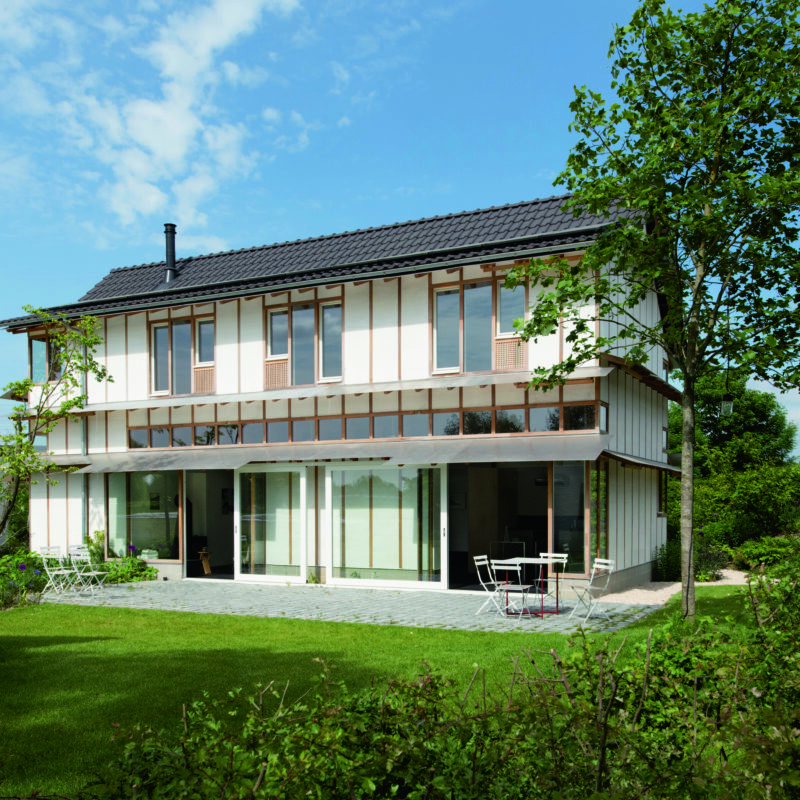
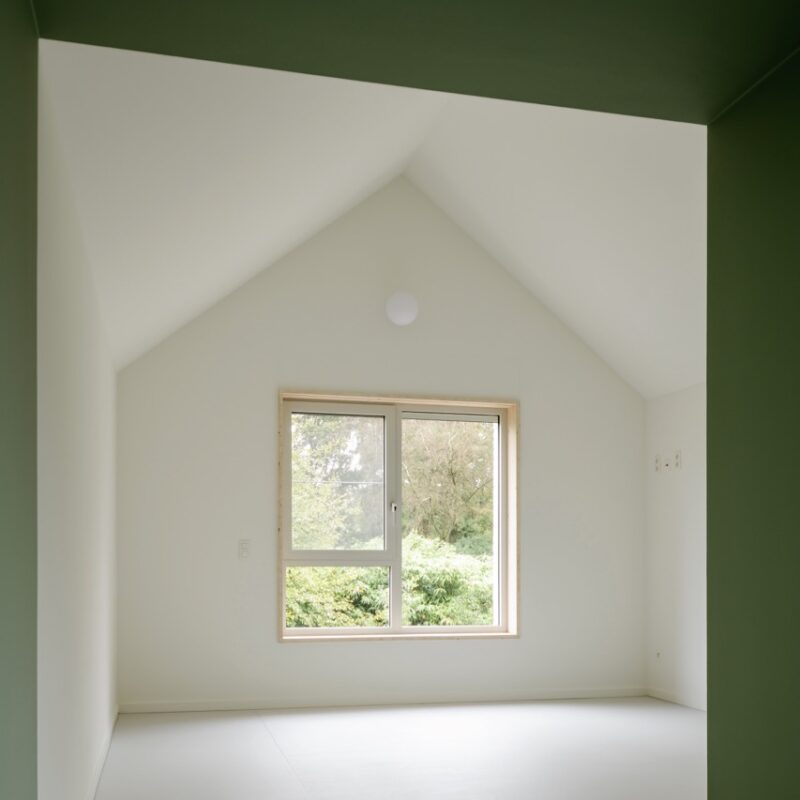
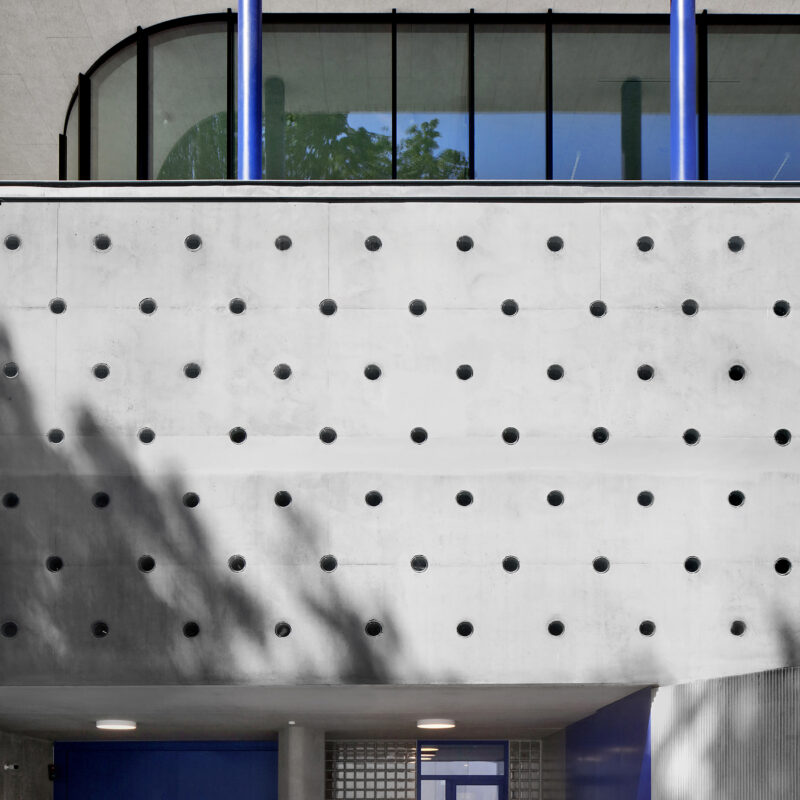
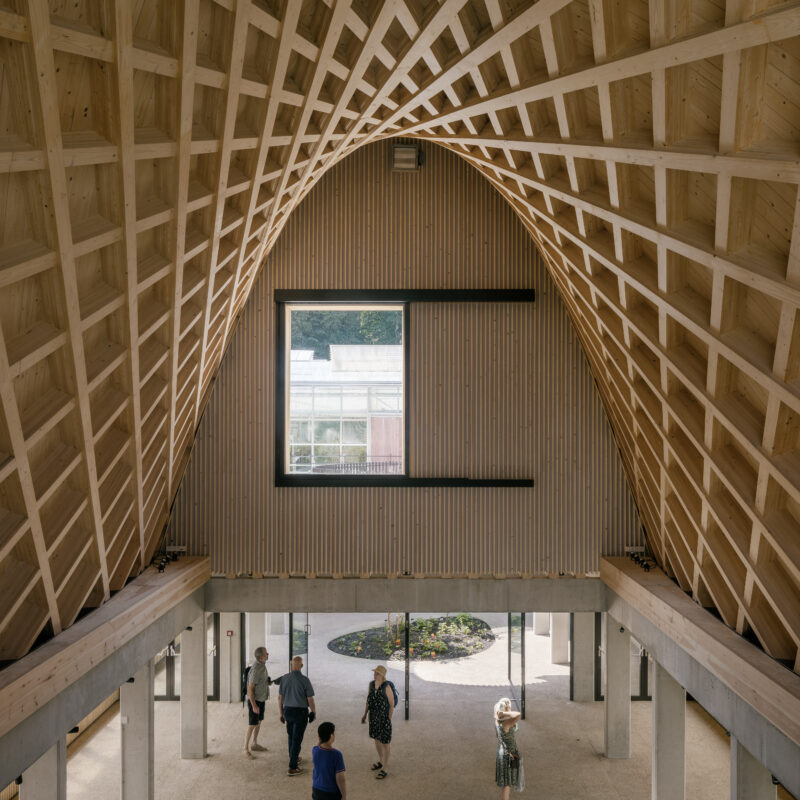
One can no longer speak of a current, movement, or style. On the contrary, while materiality and making remain central to Belgian architecture, their forms of expression tend to vary. Whether a building is realized, a text written, a scenography conceived, an installation built, or an exhibition curated, these practitioners blur disciplinary boundaries in order to channel forms of engagement.