Paving in times of drought and flooding
The dry summers of 2019, 2020, 2022 and 2026 and the floods of 2021 made one thing painfully clear: where the ground is sealed, rainwater can no longer infiltrate naturally. Sewers become overloaded and groundwater levels fall. For those designing public and private outdoor spaces, the question is no longer whether to pave, but how.
Flanders’ Regional Urban Planning Regulation on Rainwater has been in force since 2 October 2023. Subject to certain conditions, permeable paving with a gradient of less than 2% is not counted towards the area generating runoff. In June 2026, the Flemish Department of Environment published a list of paving types recognised as permeable for residential projects. Clay pavers with joints formed by their natural shape are explicitly included. Infiltration is also given priority in Brussels and Wallonia.
The joint as an infiltration zone
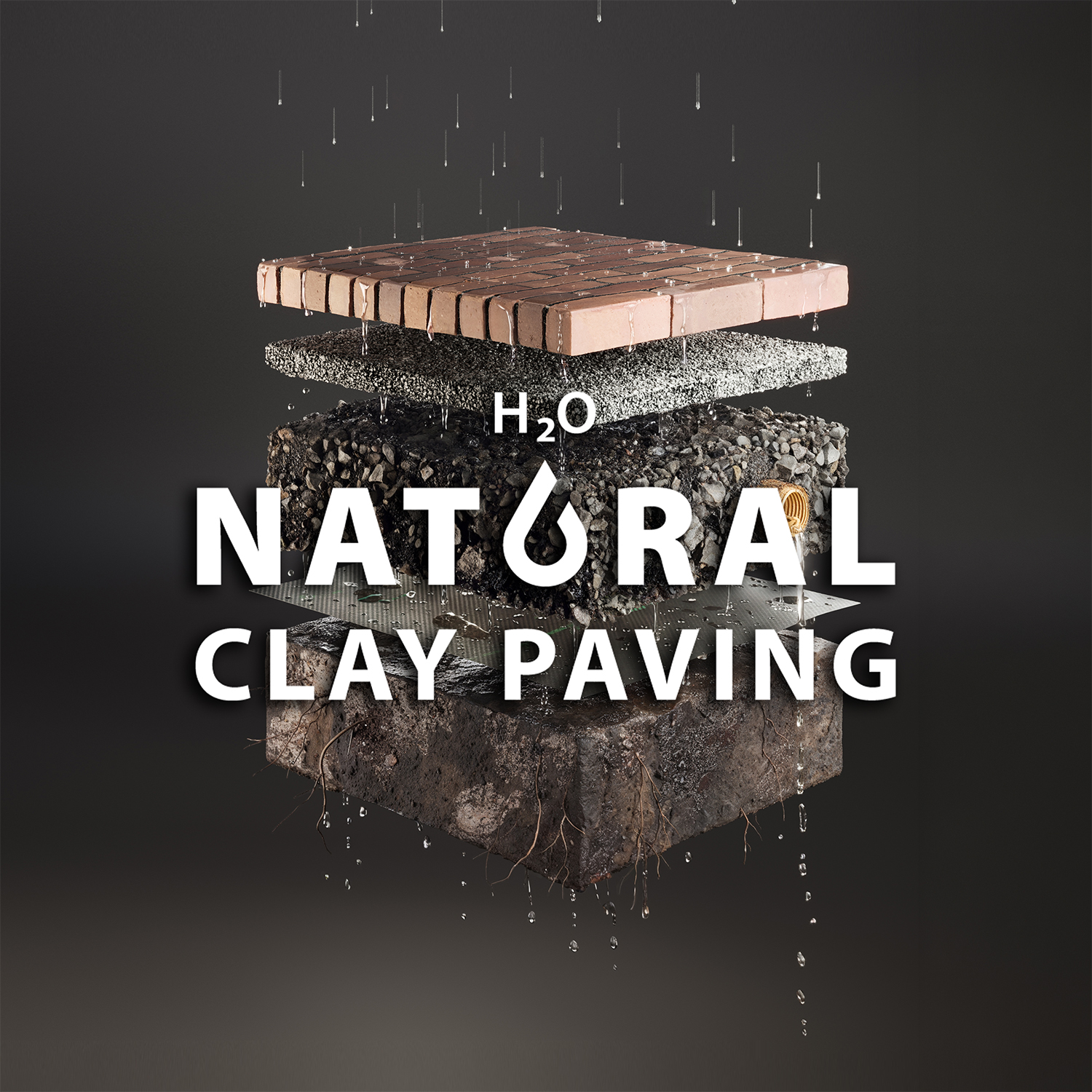
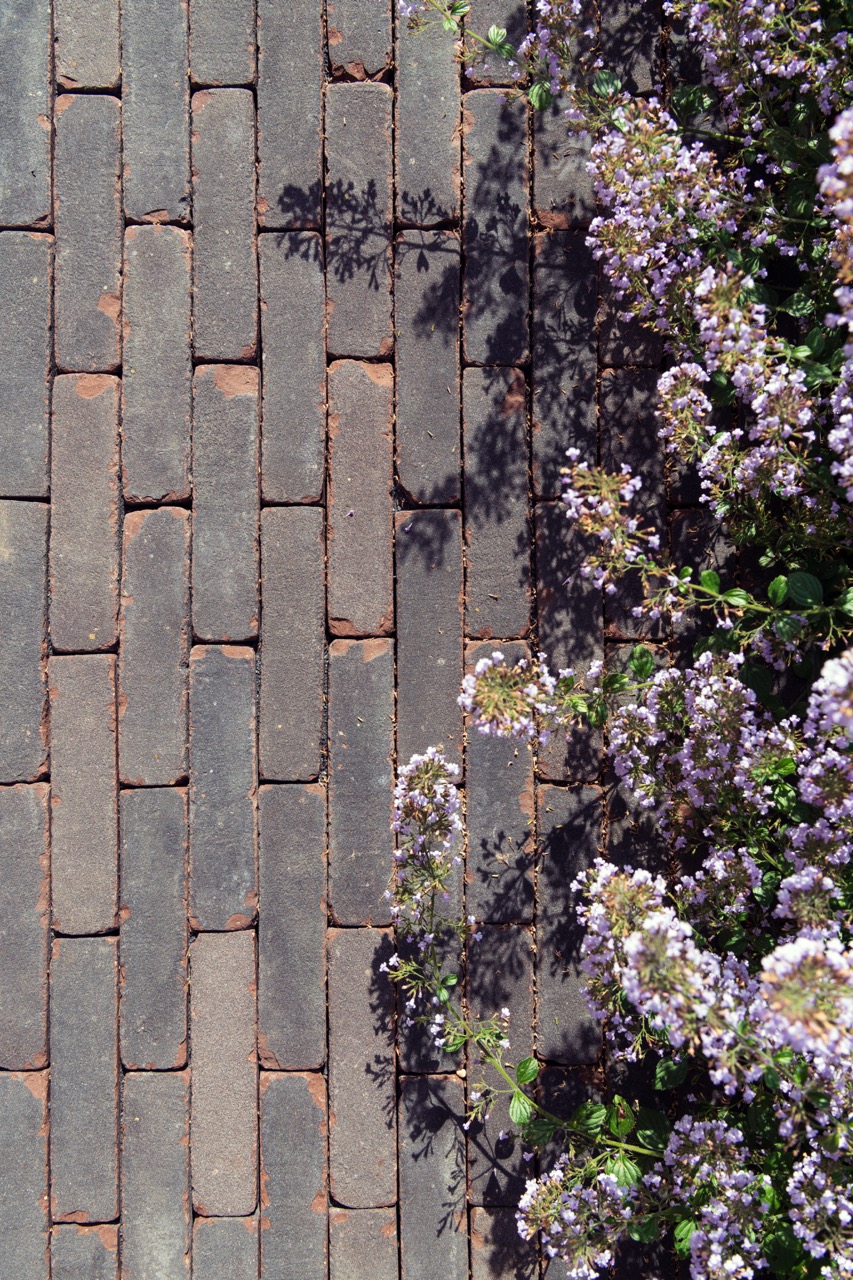
H2O Natural Clay Paving is the concept Vande Moortel developed in response: a way of ensuring that the entire paving structure, from the joints and bedding course to the base and sub-base, remains permeable over time. In this system, water permeability is achieved through the joints. The manufacturing process gives moulded clay pavers a slight curvature and slightly raised corners. As a result, standard laying produces joints averaging 2–3 mm in width, without the use of spacers. In the SeptimA format, the combination of paver shape and joints creates an open area of 8–11%, rising to over 12% with the smaller Ancienne Belgique 7 format.
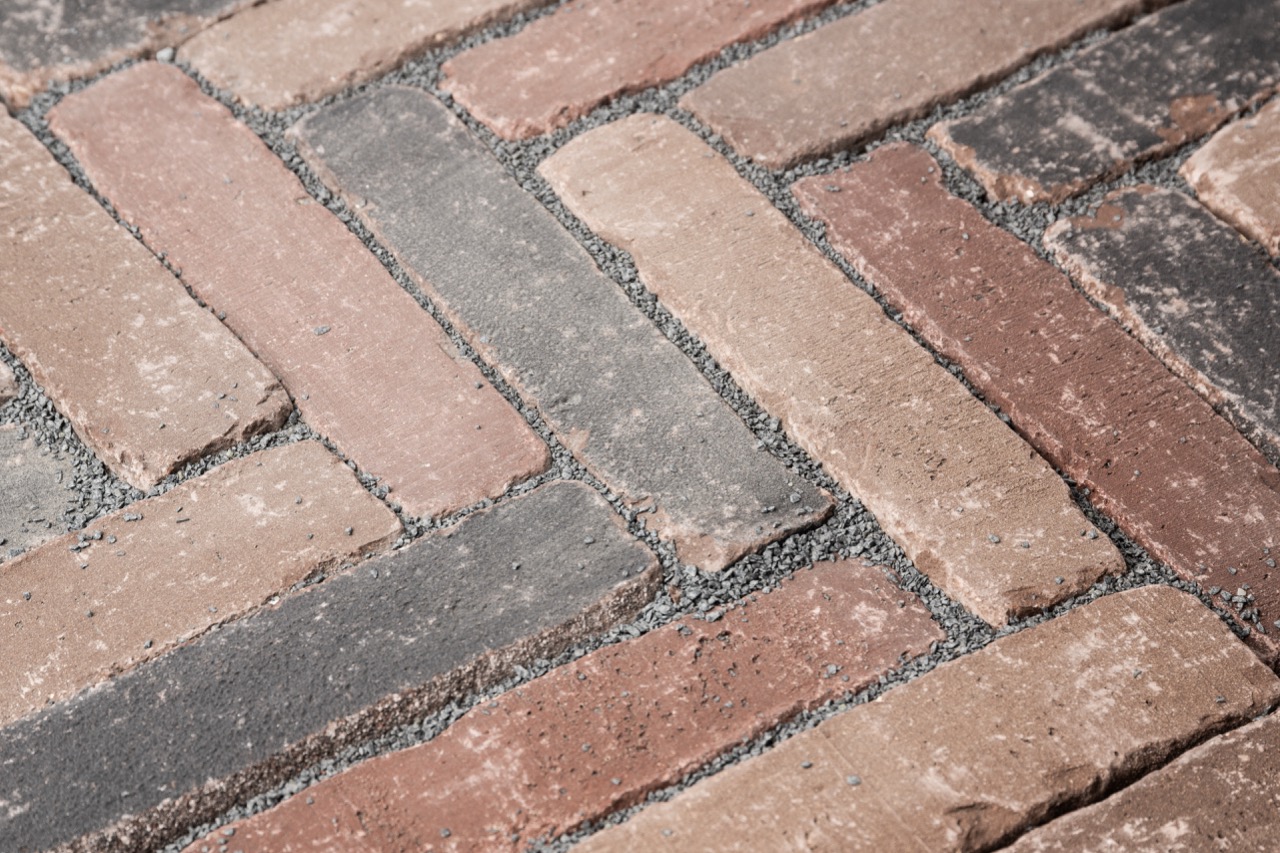
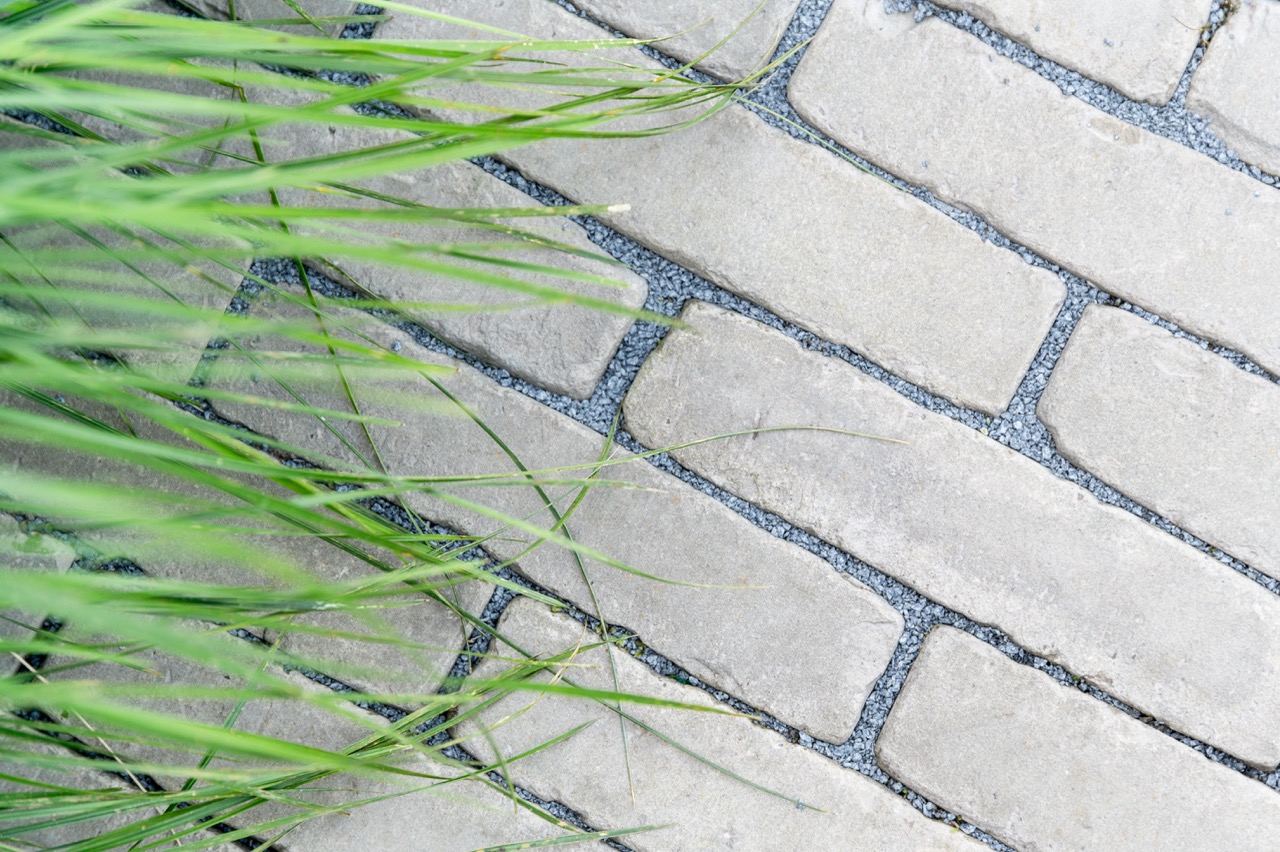
These joints are filled with H2O Clay Paving Sand, with the pavers laid on a layer of H2O Bedding Course over a fully permeable base and/or sub-base that temporarily stores the water and allows it to infiltrate slowly. Field measurements carried out between 2019 and 2026 confirm that the paving build-ups tested meet the permeability criterion of 5.4 × 10⁻⁵m/s, with results reaching almost nine times that value.
A system, not a product
Permeable paving requires an integrated approach. The permeability of the underlying soil determines whether drainage is needed, traffic loads determine the thickness of the base and the water storage requirement of 33 l/m² determines the thickness of the sub-base. Maintenance is also an integral part of the design: cleaning and replenishing the upper layer of jointing material every two years maintains infiltration capacity, particularly alongside planted areas. Permeable paving works best in combination with other measures, such as swales, rain gardens, buffer strips or the removal of hard surfacing. Well-designed paving is one element of a climate-resilient landscape, not an excuse to do nothing else.
Why clay?
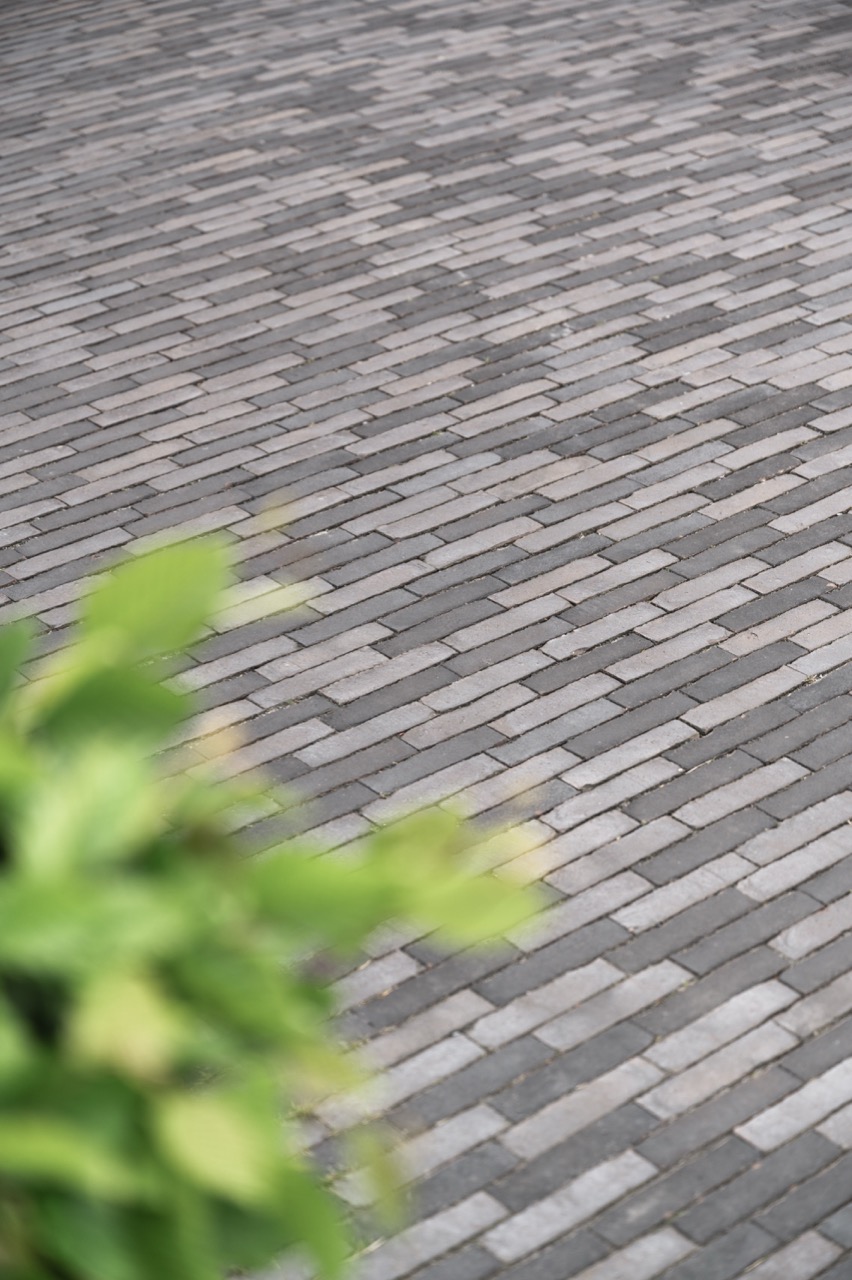
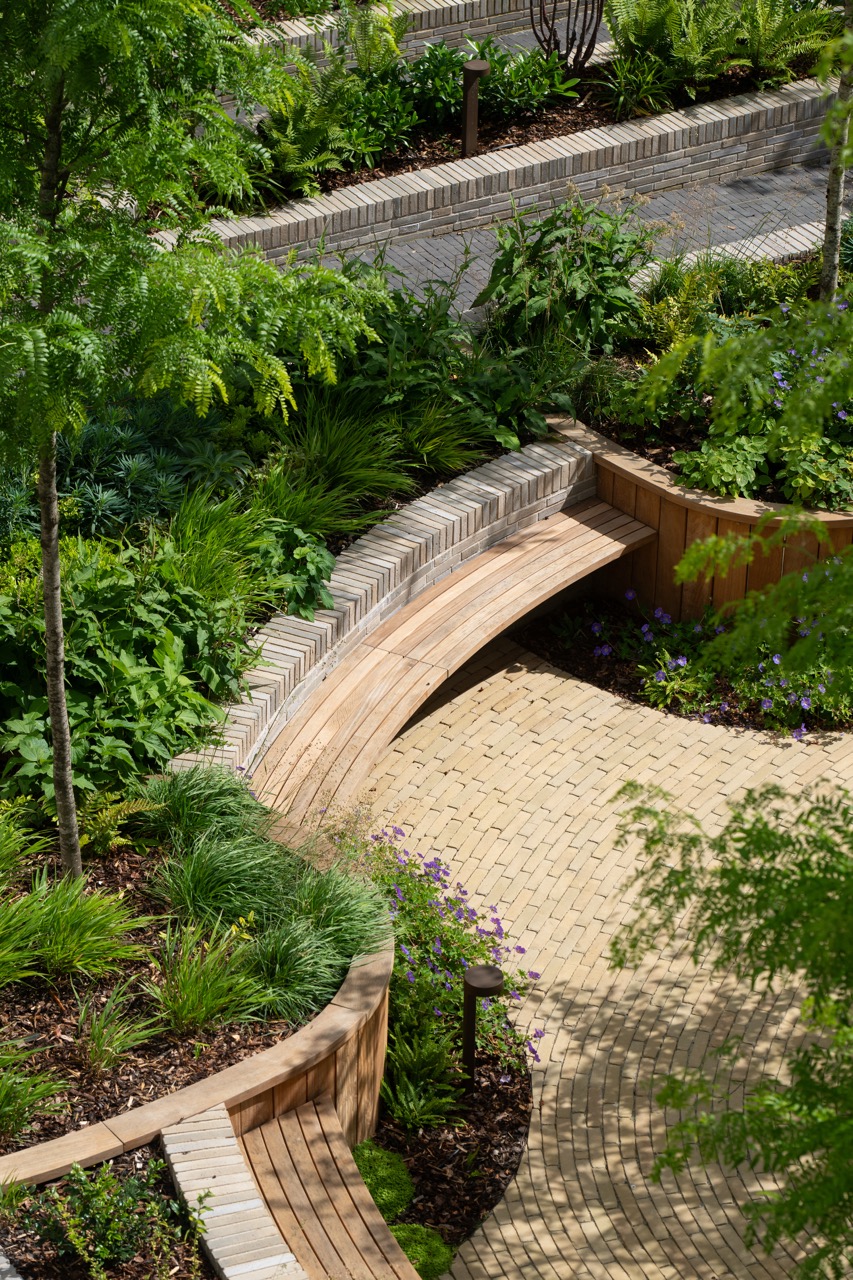
Made by firing a mixture of clay, sand and water, clay pavers are inert and release no harmful substances into the soil. They last more than a hundred years and often find a second life: where the paving structure is unbound, approximately 90% of the pavers can be reused when the area is repaved. At Grote Markt in Sint-Niklaas, for example, the old pavers were lifted and relaid. Alongside longevity, production also matters: choosing the environmentally friendly SeptimA, Elegantia or Ancienne Belgique 7 formats reduces CO2 emissions by 30%.

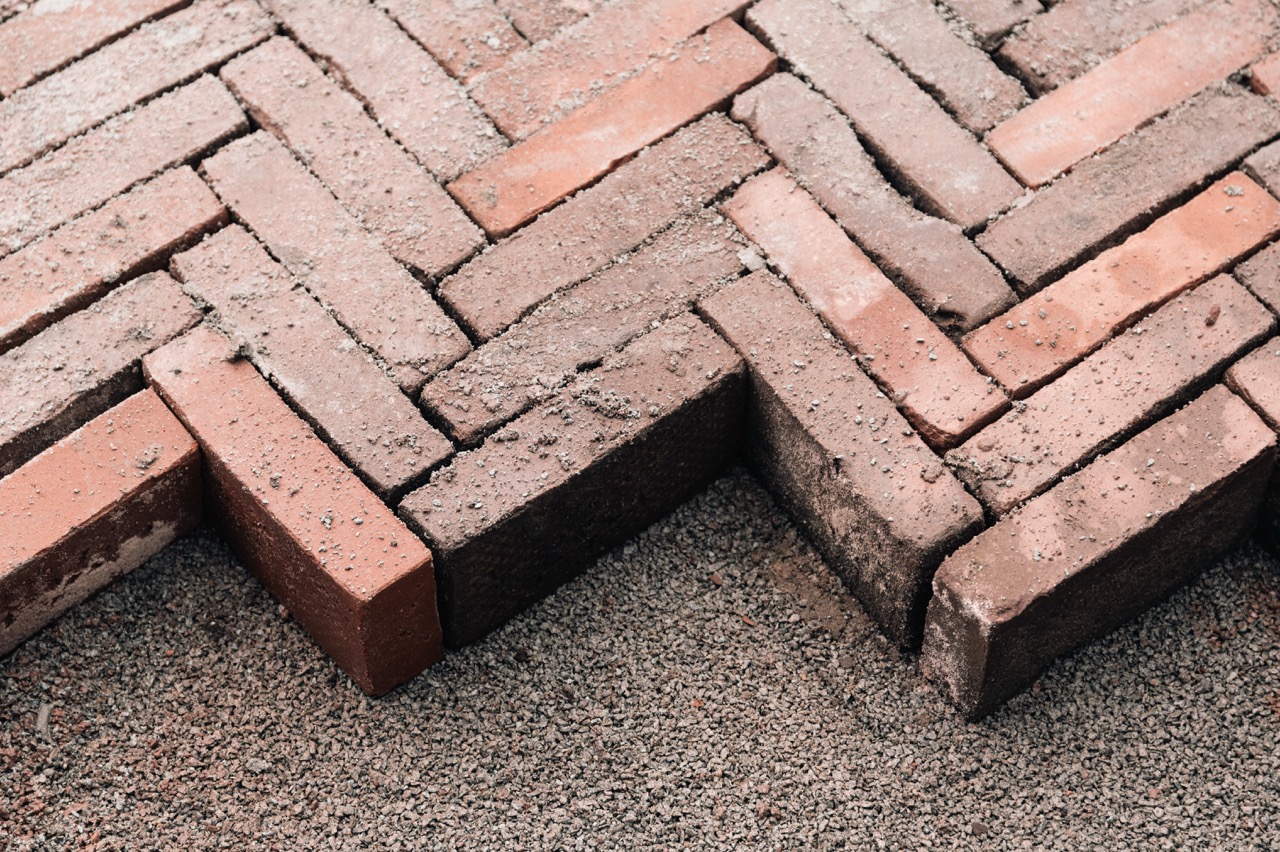
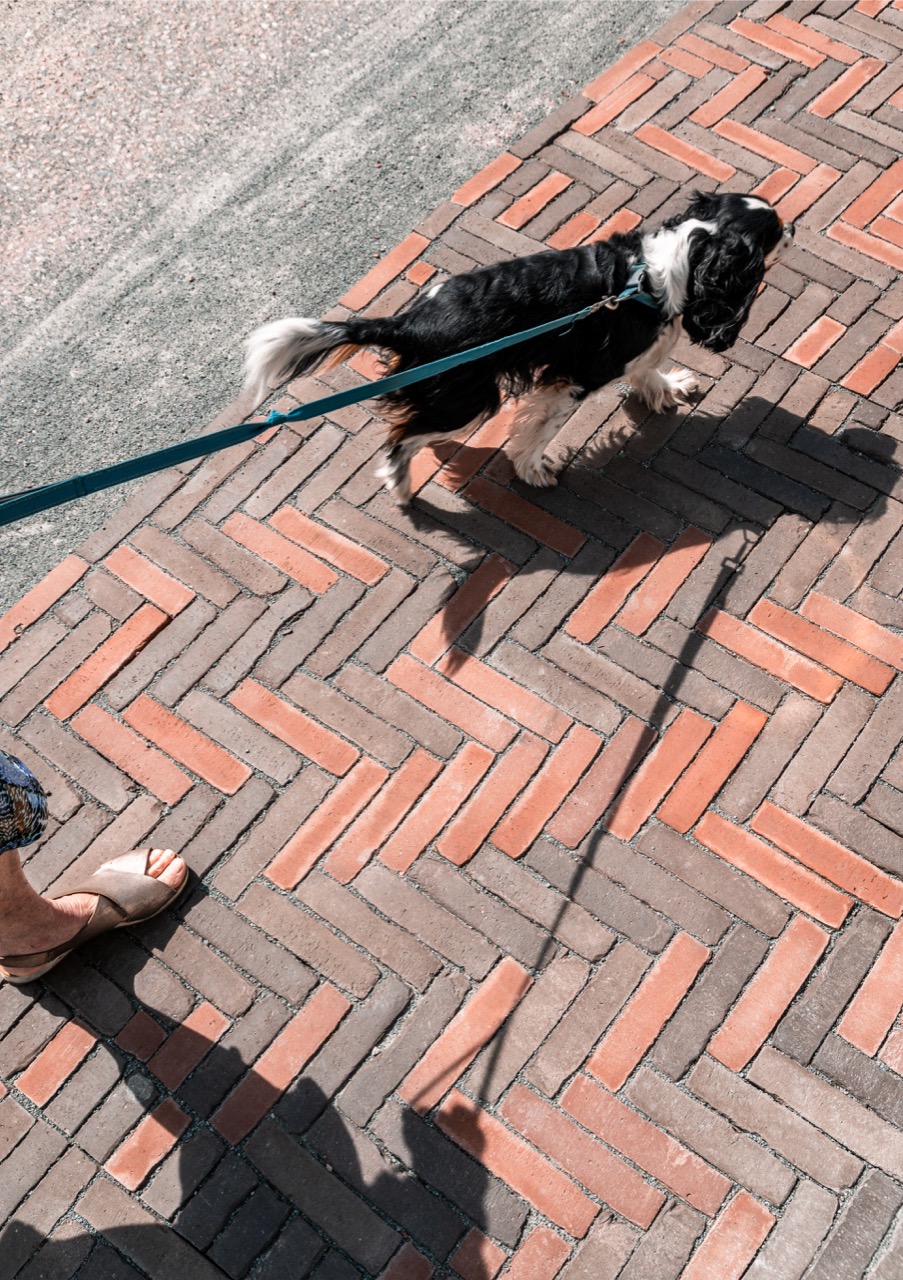
For designers, this means a paving surface that looks natural, is comfortable and quiet for cyclists and people using wheeled walking frames, and allows rainwater to return to the ground.
More photographs and technical specifications at www.vandemoortel.be
Further information: info@vandemoortel.be