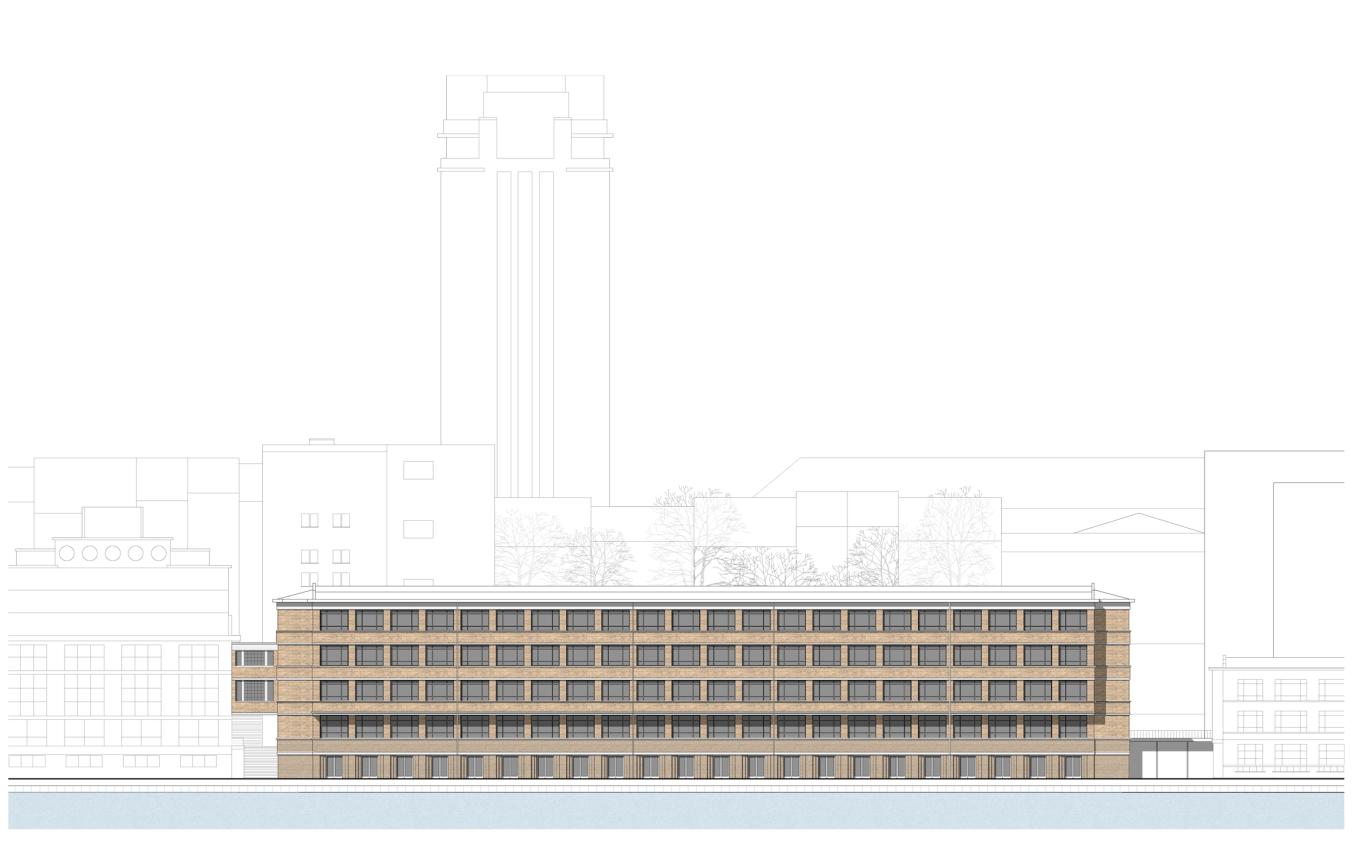
The Technicum complex at Ghent University is continuing the redevelopment of these five buildings. The renovation of the fourth building was the subject of the competition won by the architectural team of Havana, Karuur, Wim Cuyvers and SEA. This long, 24-bay structure, built in the 1930s by Jean-Norbert Cloquet and Gustave Magnel, runs along the banks of the River Scheldt. The winning project enhances this modern heritage by aiming for radical carbon neutrality. It was selected ahead of proposals from a diverse range of teams featuring promising international collaborations, including Ouest Flores & Prats, Jan de Moffarts KARAMUK KUO, Marie-José Van Hee murmuur and OFFICE kgdvs.
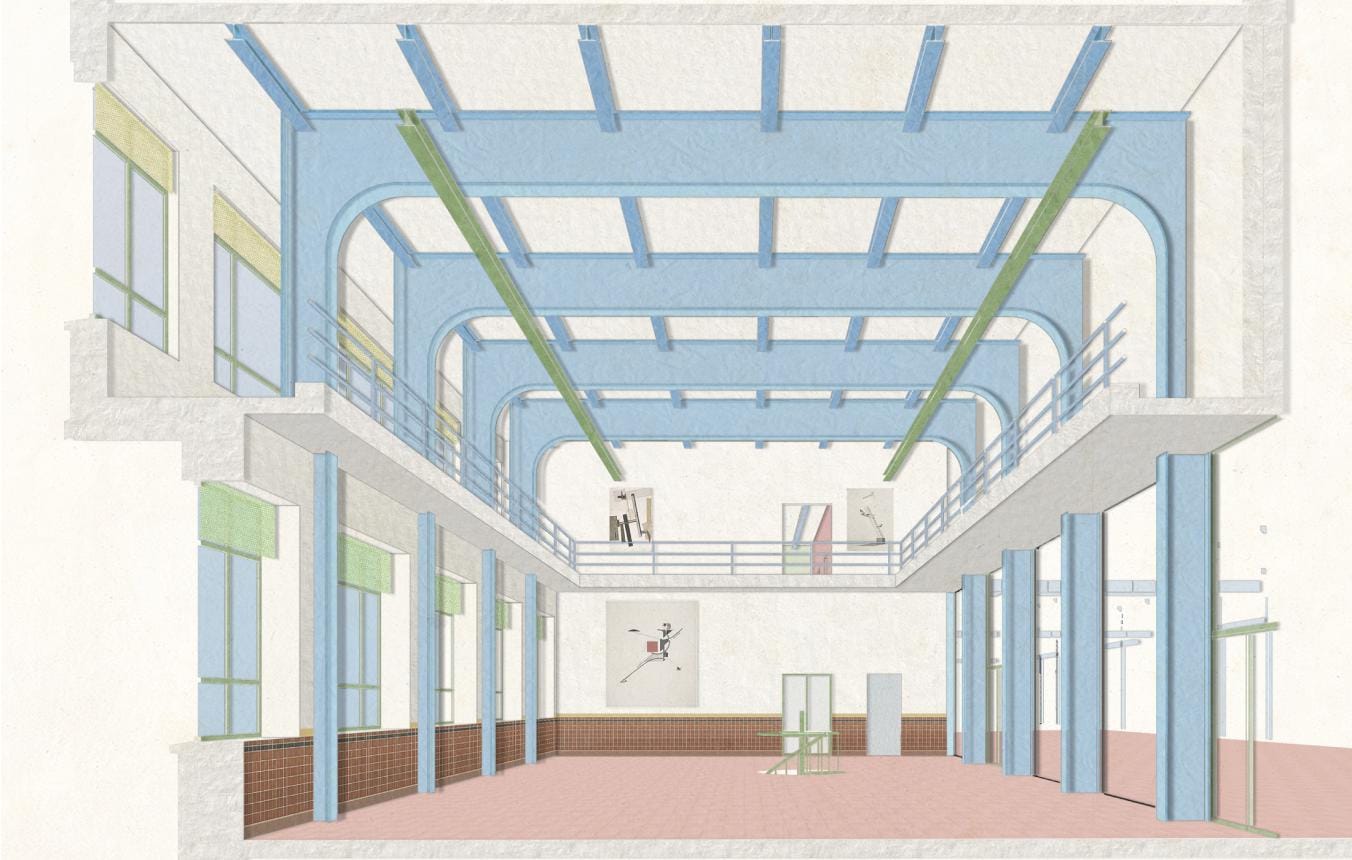
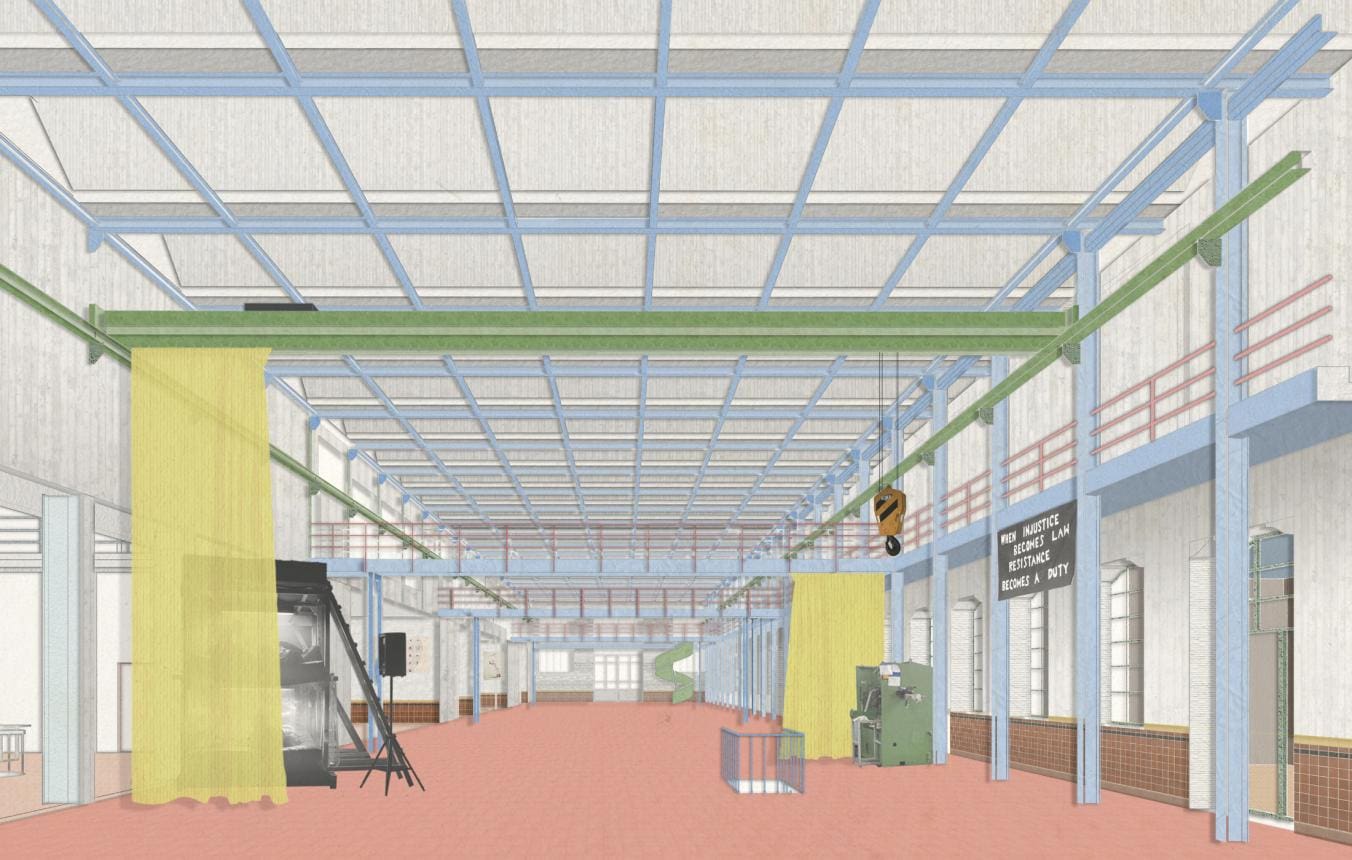
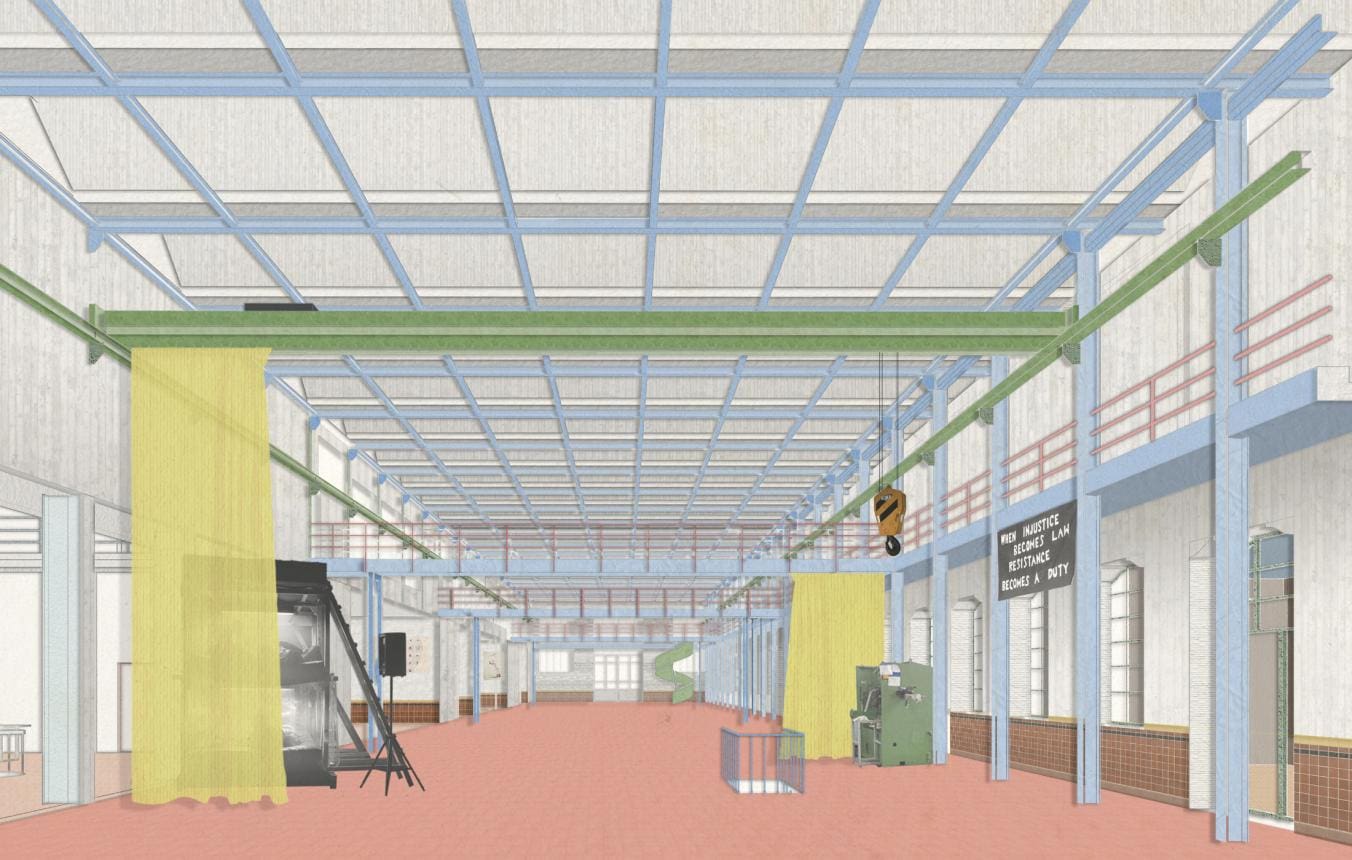
The building stands out for its rational welded steel framework and its brick façade. Currently dedicated to young artists studying music, art and theatre, it will also become a favourite haunt for future architects and urban planners. Through this shared space, collaboration between student groups is encouraged. Previously home to the Laboratory of Machines and Mechanical Engineering, the large hall offers the fundamental qualities of spaciousness and freedom of use. It becomes a vast space of possibilities. According to the winners, this iconic venue gives students the opportunity to take part in a wide range of workshops, stage theatrical performances or even experience the joys of building 1:1 scale models. The building also fosters a connection with the city by temporarily opening its doors to the public.
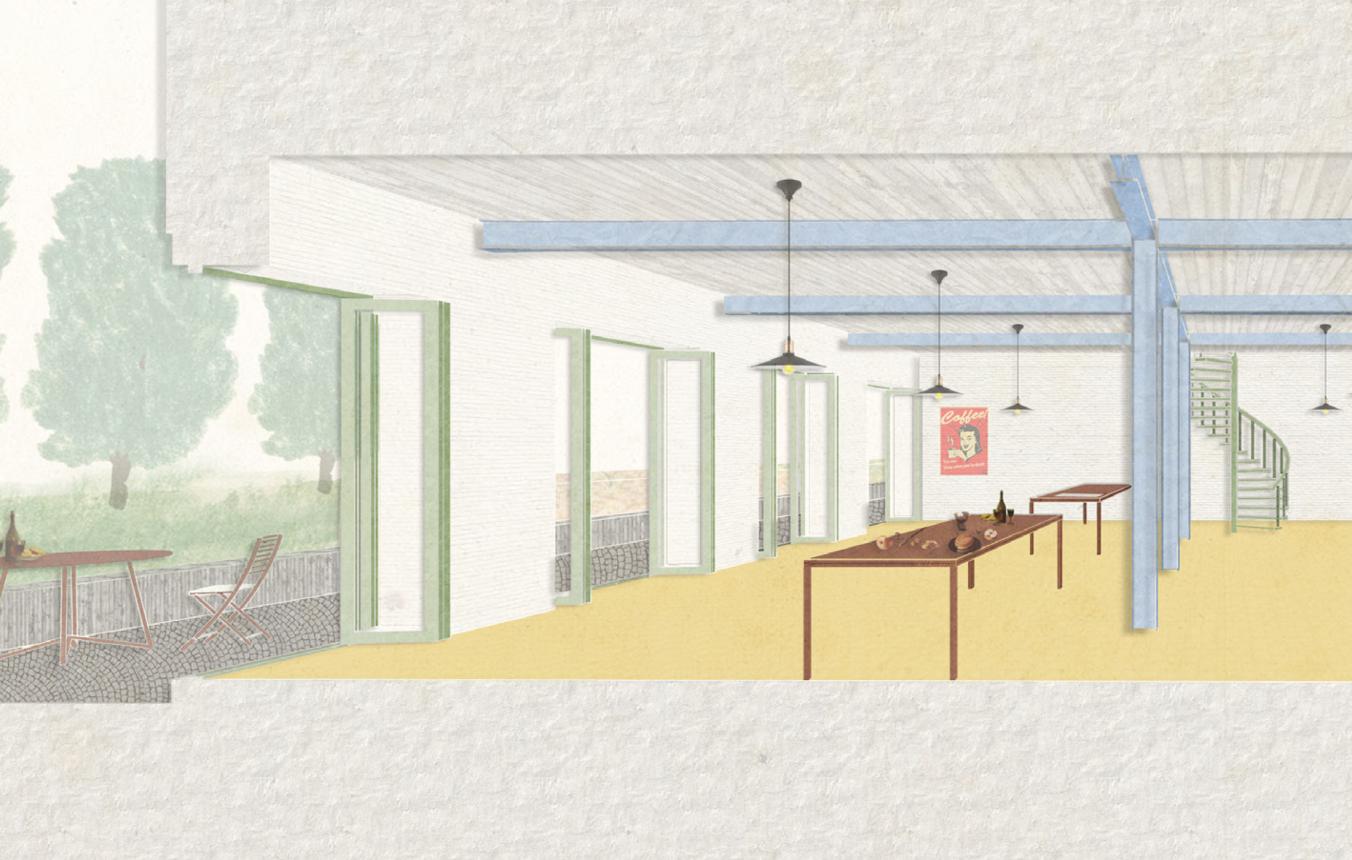
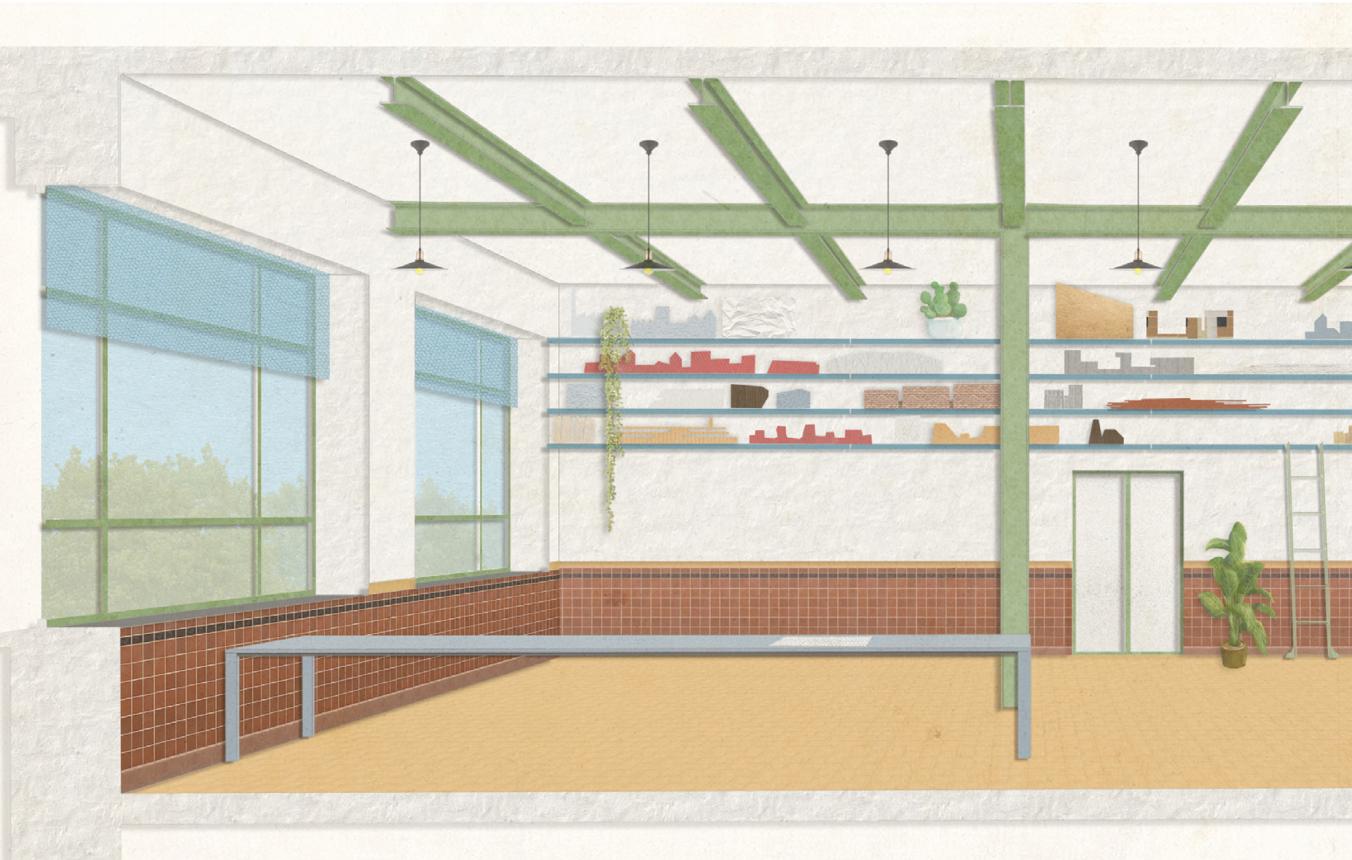
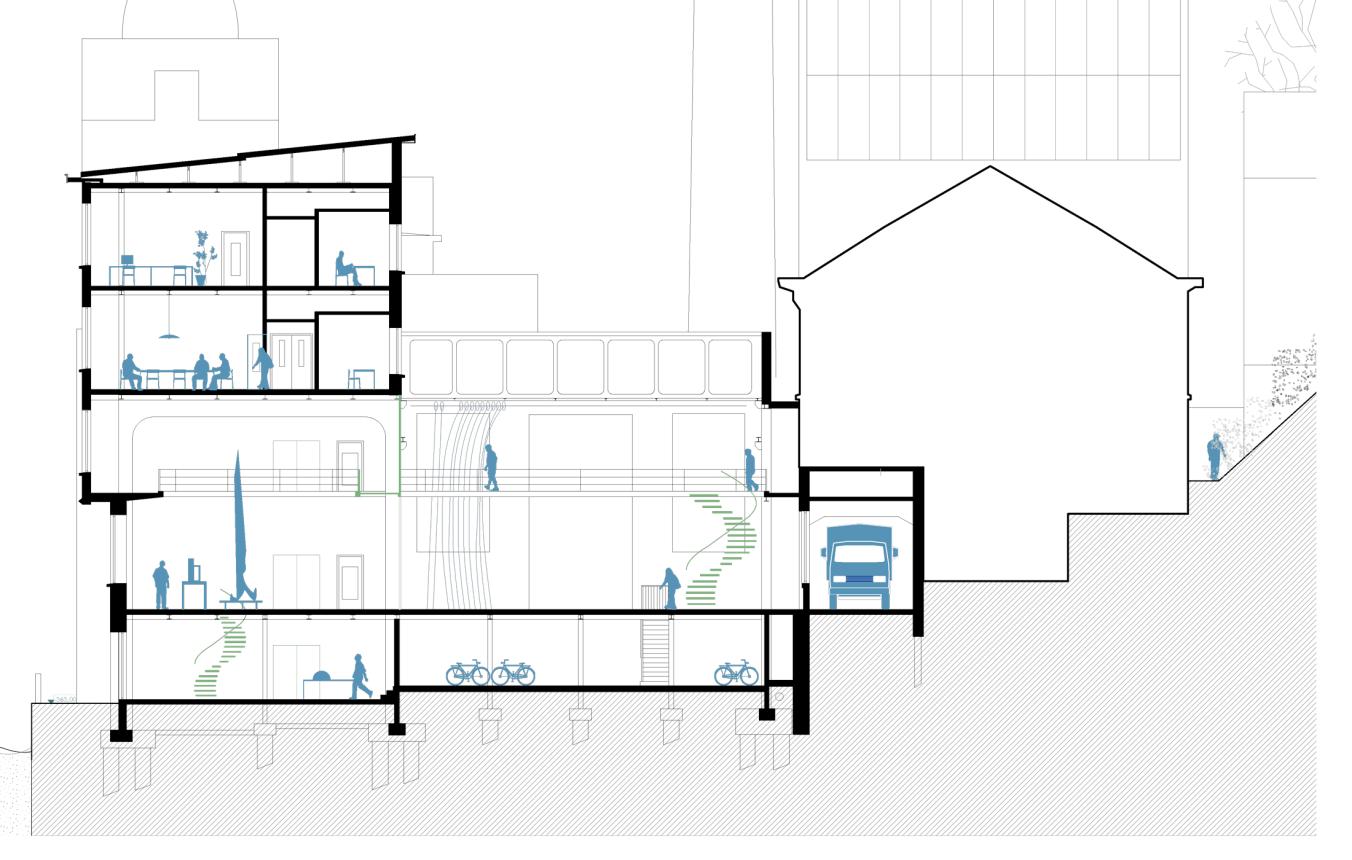
Inside the building, the interventions are targeted. Additional stairwells and lifts reshape the circulation patterns. They are pragmatically positioned along the building’s side wings. The large hall is insulated, and its existing shed roof has been retained to continue benefiting from northern light. Situated along the River Scheldt, the building opens up at ground floor level through its large windows, allowing students to make the most of the space to work or relax. This interface thus facilitates interaction between the workshops inside and the bustling quays.
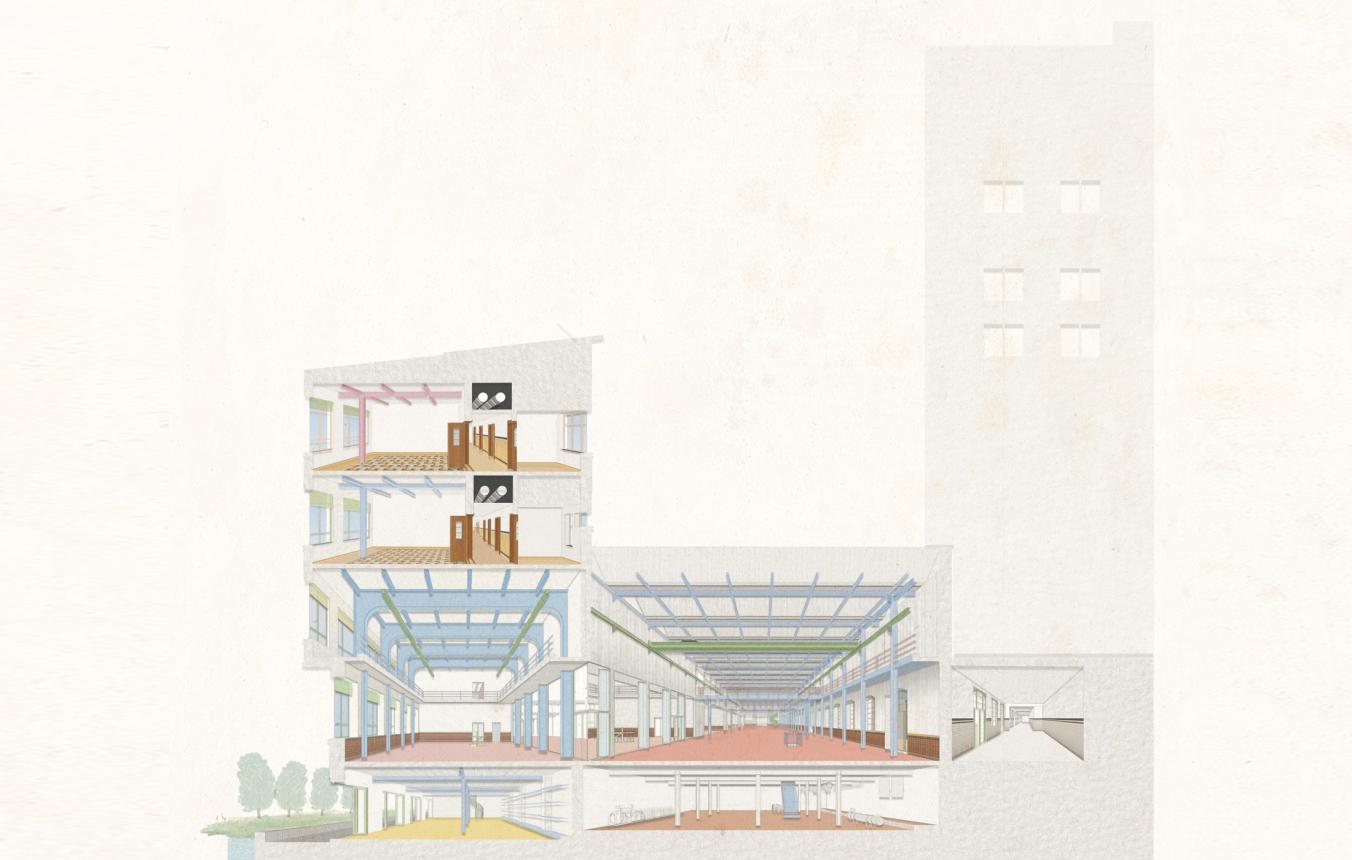
At the rear of Technicum 4 stands a unique feature: a concrete drop tower for aerodynamic testing. It has been given a new purpose. The designers have chosen to use it as the rigid circulation core for a new tower featuring a timber structure that is grafted onto the existing structure. To create a building that stands the test of time, the space is unheated. Usage scenarios are proposed for each of the building’s identified sections to offer specific solutions for the desired indoor climates according to the seasons. These spaces are treated as independent units to avoid a one-size-fits-all, energy-intensive solution; instead, specific attention is paid to achieving the desired local climate balance.
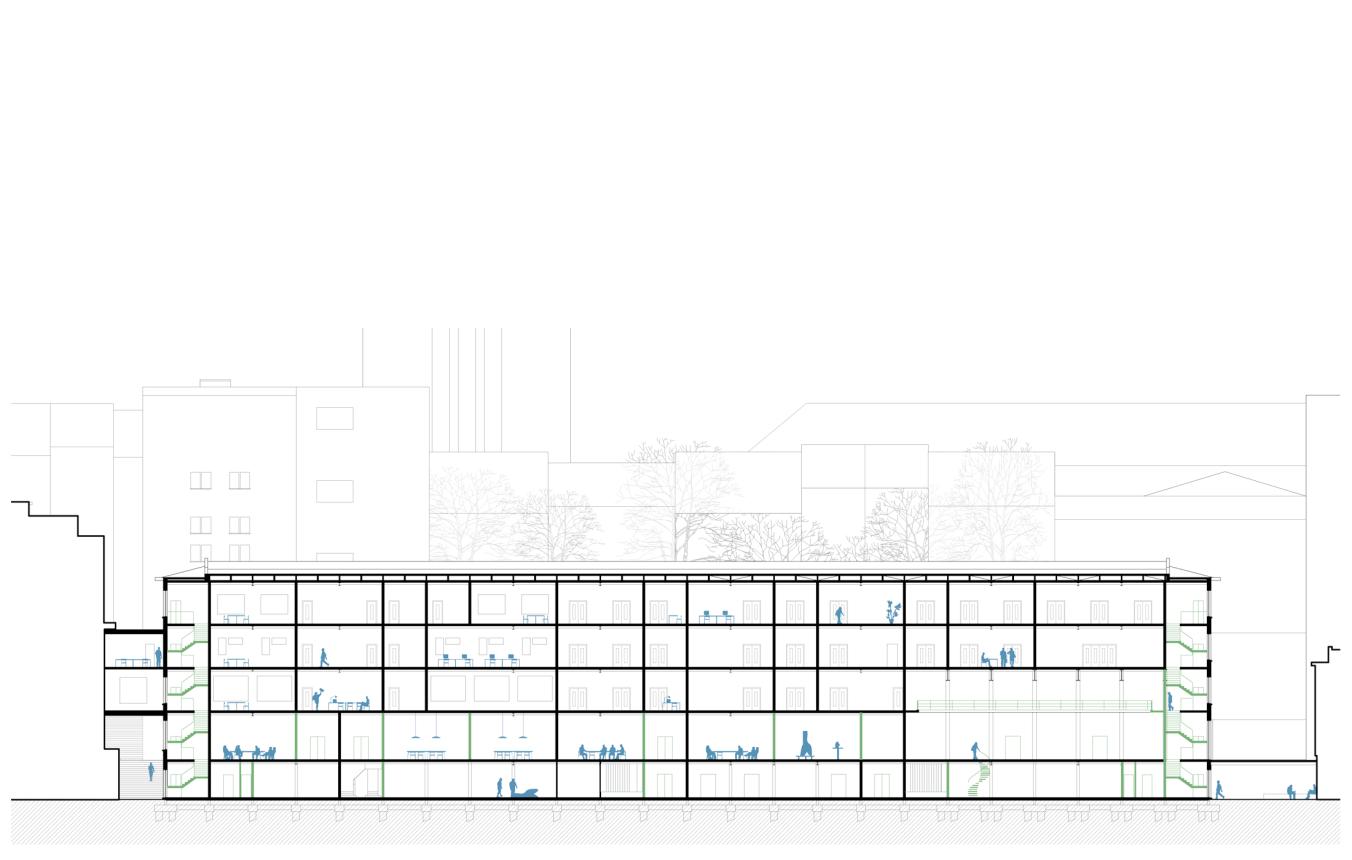
The industrial aesthetic, with its tubular steel railings, steel beam structure, sheds and so on, makes this a veritable teaching factory. This is sure to inspire not only the future students who will occupy the space, but also the two partners of the winning firm Havana, who are themselves lecturers at Ghent University. The building is compelling in that it leaves scope for a variety of interactions and uses, whilst remaining firmly committed to the energy transition.