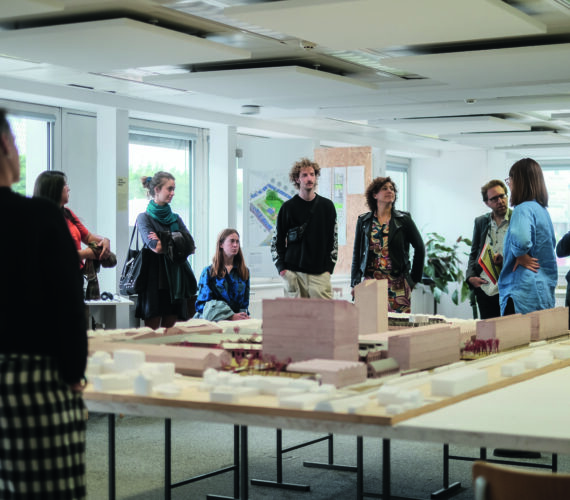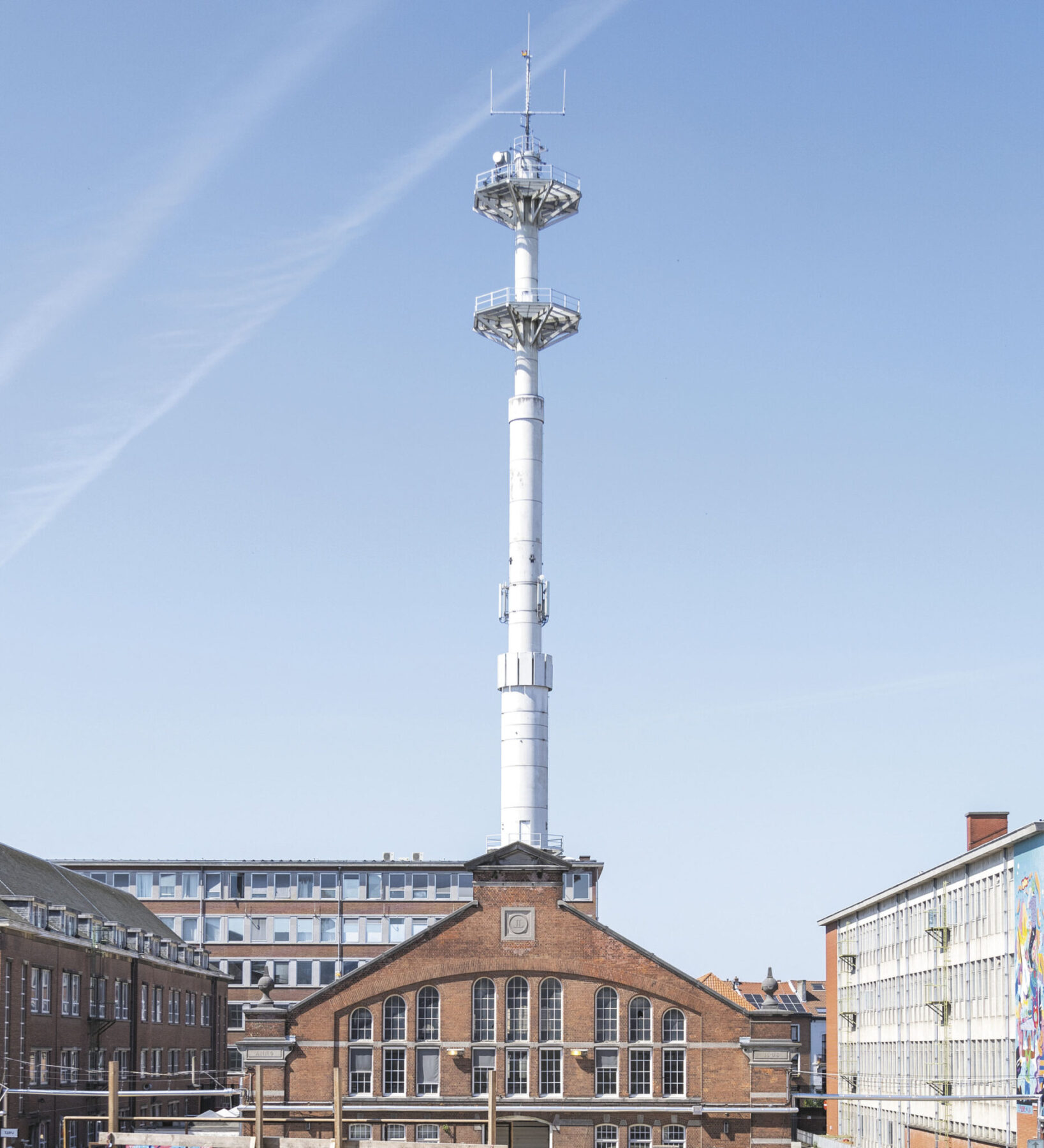
With their neo-Renaissance façades, the Frits Toussaint barracks on Generaal Jacqueslaan (the R21) in the Brussels municipality of Elsene/Ixelles appear less impressive than the Quartier Baron de Witte de Haelen barracks on the other side of the railway, in Etterbeek. The barracks are also smaller, ‘only’ 4 ha compared to 6.5. And yet these barracks are set to become the reference point in the area. Indeed, together with the VUB, ULB and various public housing corporations, the Brussels-Capital Region has repurposed the site as Usquare.brussels, a place for research and education with a food hall, a neighbourhood cinema, (student) housing and much more. The temporary use that SeeU organized on site until recently provided a foretaste of what is to come. The team of the Brussels Government Architect (BMA) supported the fascinating planning process, which relied on a range of work methods. It began with design research and a new planning instrument, the PAD/RPA, but also relied on competitions for designers, additional research and temporary use. As this report shows, this all yielded a rare abundance of quality.
Sébastien Rodesch, project manager at SAU/MSI (the Brussels-Capital Region’s Urban Development Corporation), begins his story about the site with a painful anecdote: during WWII, the barracks were mistakenly bombed by the Allies. This explains the strange mix of buildings on the site. The main building on General Jacqueslaan, the arena in the central training area and some other pavilions clearly date from 1906, the year the barracks were put into use as a training centre for the Gendarmerie. However, on either side of the arena and also to the left of the training area, blocks from the 1950s and 1970s replaced the destroyed buildings. The five-storey block from the 1970s on the north side stands out like a sore thumb. The impressive wall around the barracks has also been replaced here by heavy railings. This is where the national emergency call centre 101 was located. Right next door, in the north-east corner of the site, the Clos des mariés was preserved intact. This enclave within the barracks is where married recruits used to live. The walls kept their wives separate from rest of the barracks. After all, the barracks were forbidden to women in 1906.