Since its inception, the ‘Inventaires Architectures Wallonie-Bruxelles’ series has established itself as a significant, reflective snapshot of an architectural culture that continues to take shape in French-speaking Belgium. This work in progress accounts for the experimental nature of each edition, entrusted to a specific team of curators.
With each new issue, therefore, “Inventaires” reinvents itself, explores new tones and seeks out its audience. Whereas its two predecessors explored the opening up of architectural issues to a wider audience, Inventaires #4 focuses more explicitly on emerging approaches, governance issues and the cultural policy of architecture. A logical choice for this first ‘Inventaires’ published under the direction of the Wallonia-Brussels Institute of Architecture (ICA-WB), founded in late 2019. The subtitle, ‘Towards a generative architectural approach’, makes it clear from the outset that this is not a catalogue. Rather than aiming for a supposedly neutral comprehensiveness, Inventaires #4 sought to gather “relevant responses to current societal and environmental challenges” that ensure a “supportive living environment in today’s society, characterised by risk and constraints”. The ambition is clear: if the world is in crisis, we must actively seek out those who are exploring. It is no surprise to find a collection of high-quality and multifaceted work here, ranging from buildings to processes, and always focused on the collective dimension of architecture.
Beyond the 33 proposals featured in the book, a total of 124 responses were selected, all of which can be viewed online on the ICA-WB website. The combination of an online inventory and a published book allows the latter to focus on developing a coherent narrative. The editorial committee thus identified six topical themes from the responses received. Each is introduced by an essay from guest authors who engage with the subject and construct a critical narrative—precise yet accessible—drawing on works featured in the Inventories without any promotional or apologetic stance.
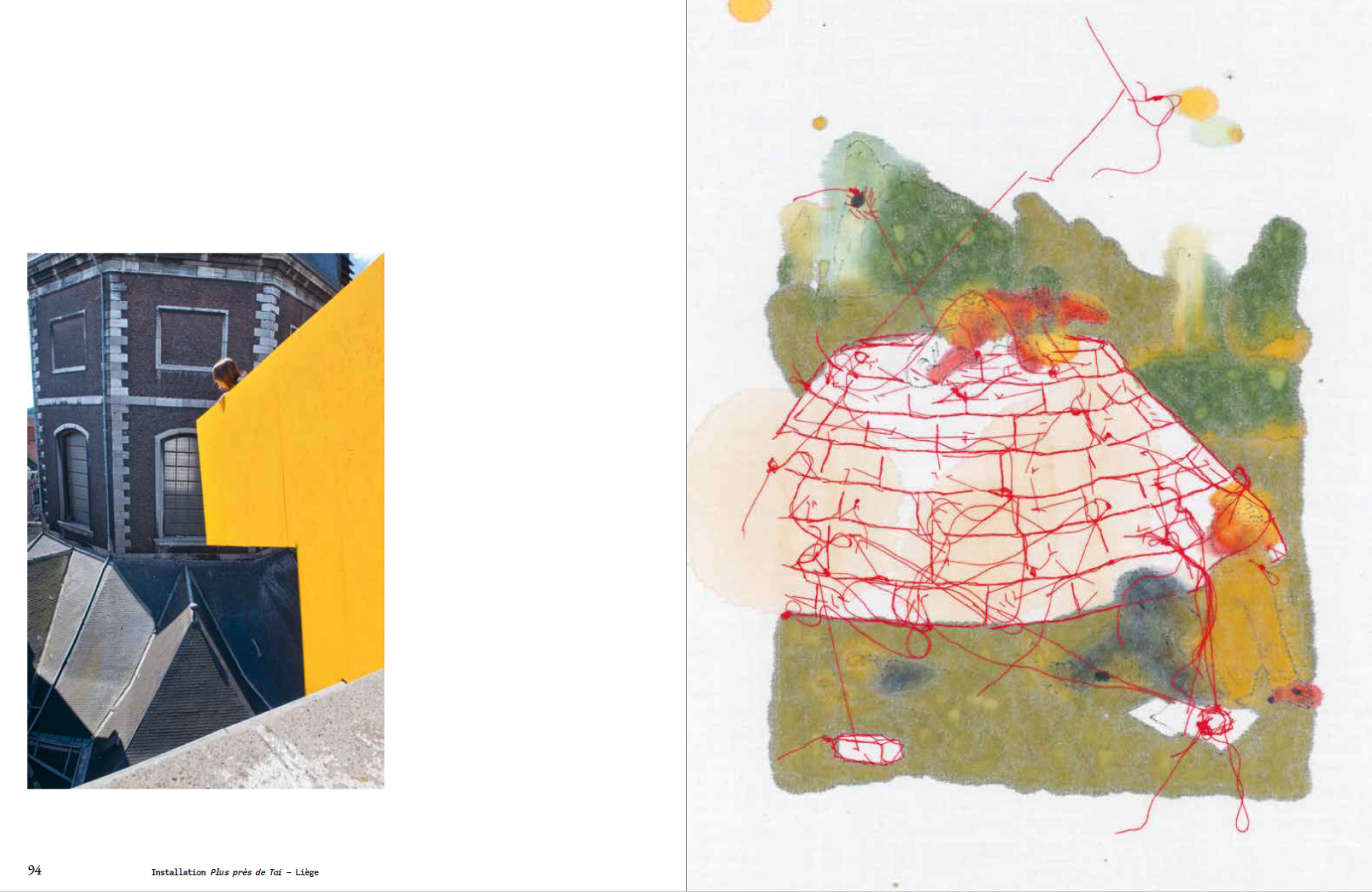
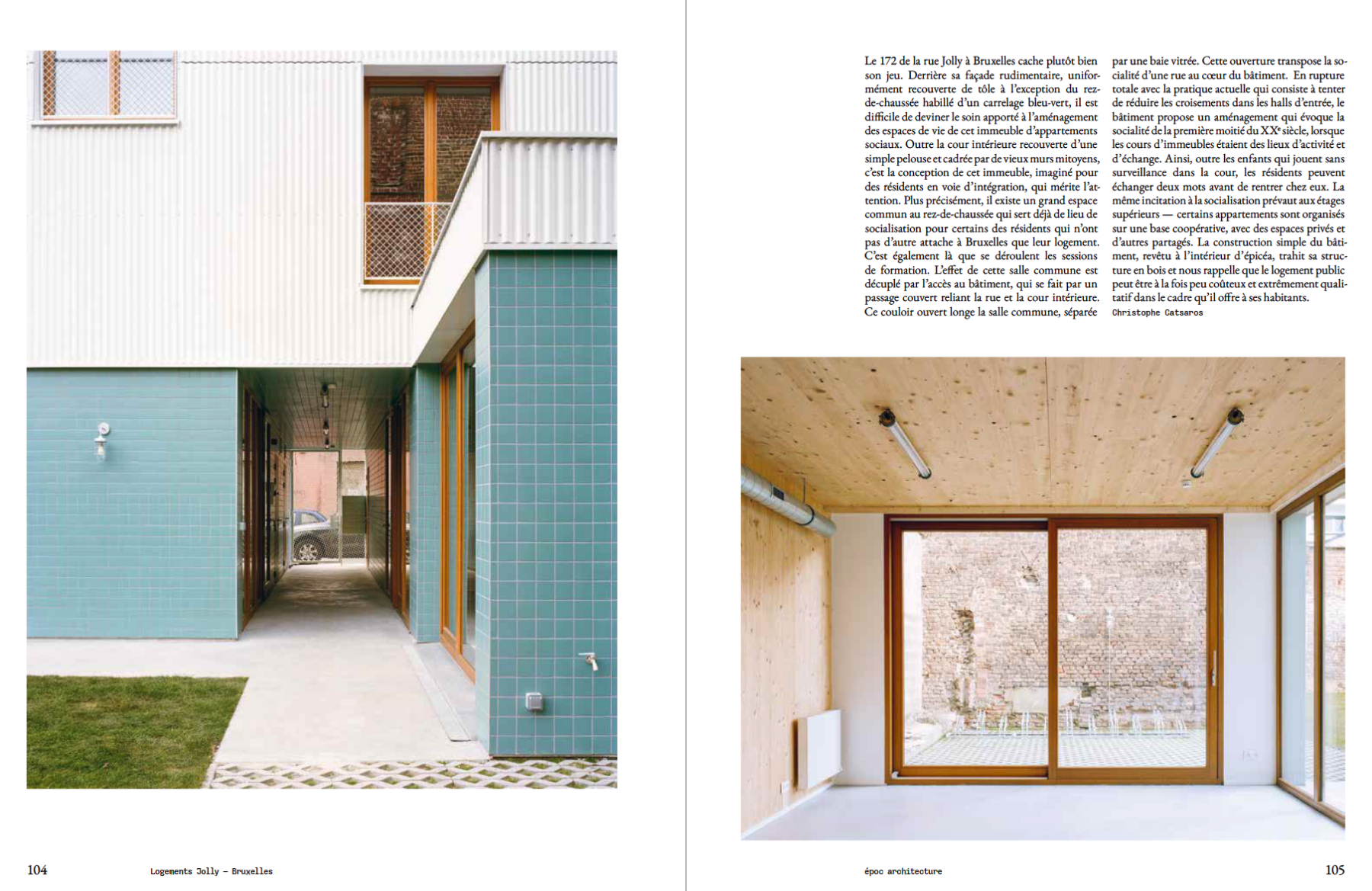
The book’s focus is therefore not so much on an in-depth study of projects as on bringing them together and situating them within a constantly evolving architectural practice. One is left somewhat wanting in terms of the visual documentation of the projects presented, particularly where the descriptions detail decisions that the available documents do not allow us to visualise. The online inventory will make up for this shortcoming, but this interesting interplay of media could undoubtedly be strengthened in future editions.
Finally, however inspiring the approaches presented may be, one cannot help but note the often exceptional context that made these isolated experiments possible. How can we facilitate their proliferation? This is the subject of the final essay, entitled “Generating Quality through Context”, but also of the editorial board’s appeal, which chose to introduce Inventaires #4 by drafting a veritable manifesto addressed to the public authorities, setting out a series of requirements for creating a (re)generative architectural and urban culture commensurate with the challenges we face. Many of these demands have long been articulated, yet still struggle to be translated into action. Are we, as Pierre Chabard says of the 1972 Meadows Report, “aware, but so far incapable” of the necessary changes? And, if so, “how can one be an architect under these conditions?” Inventaires #4 does not claim to answer this, but it will show us the encouraging proliferation and trial-and-error of current practices.