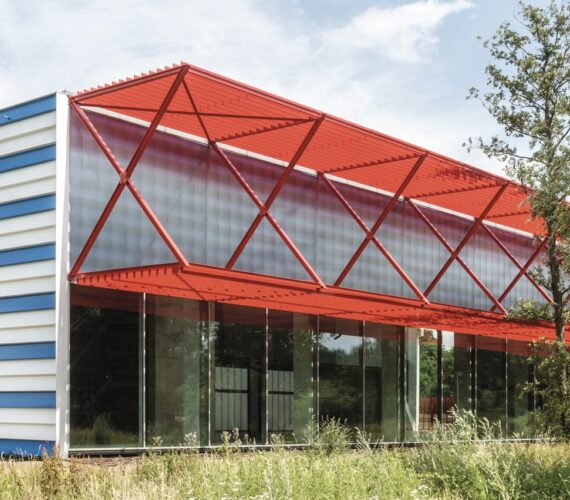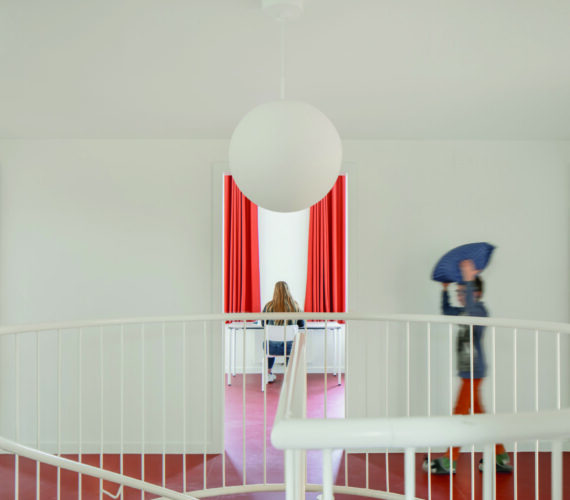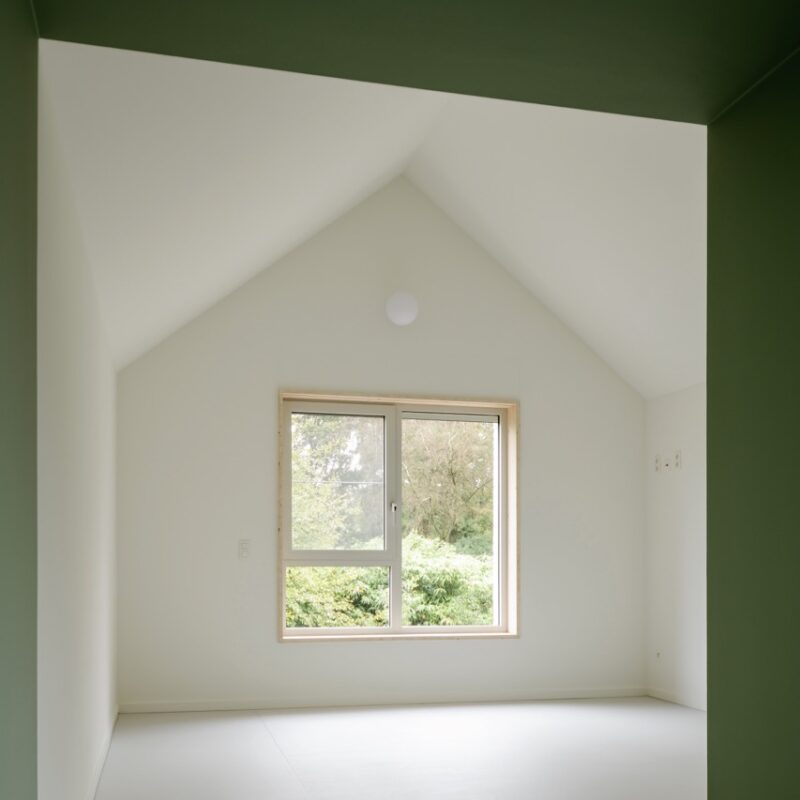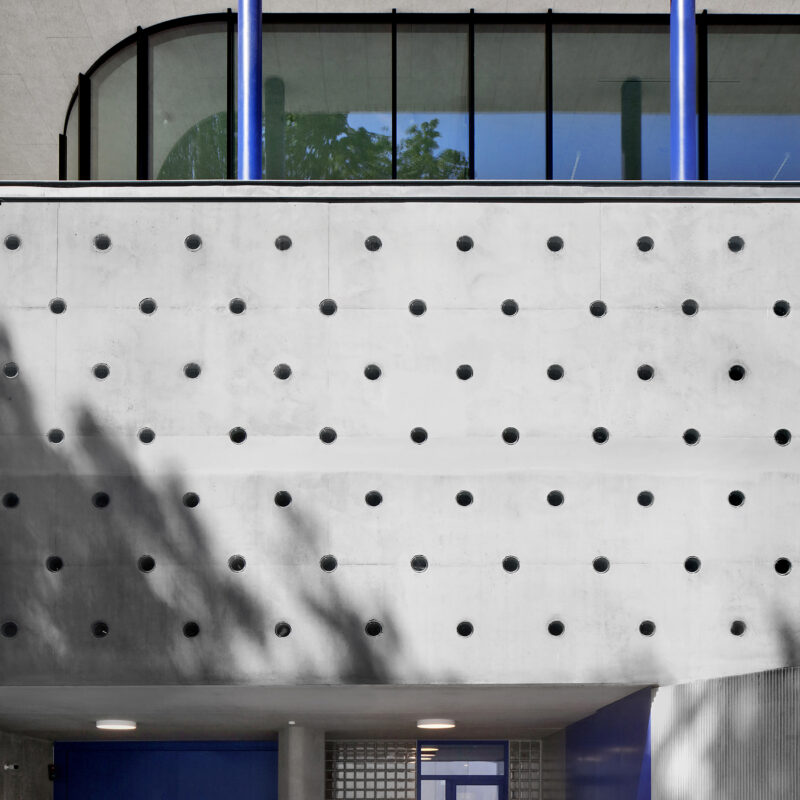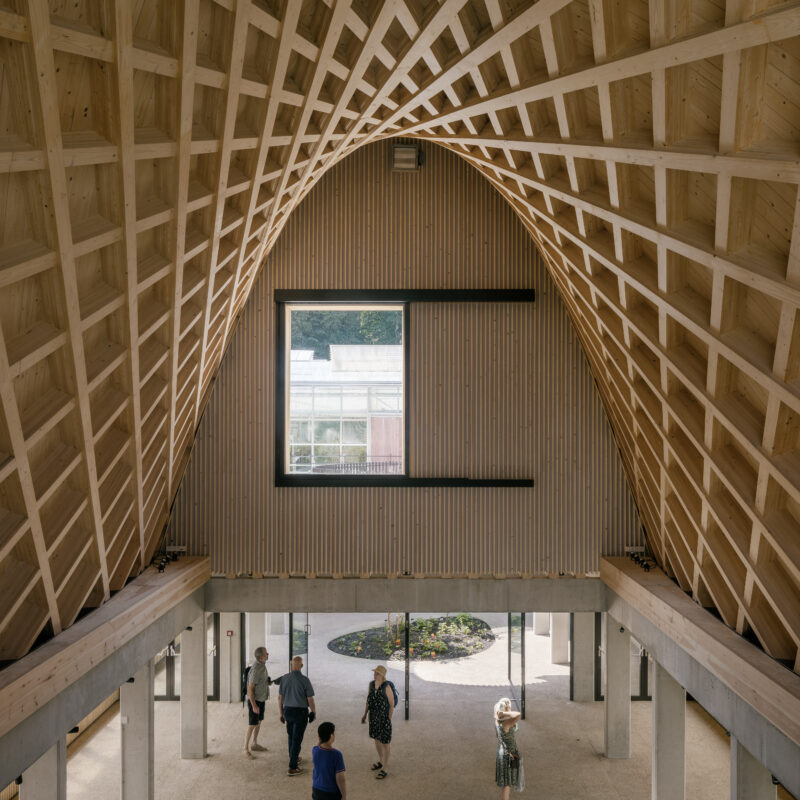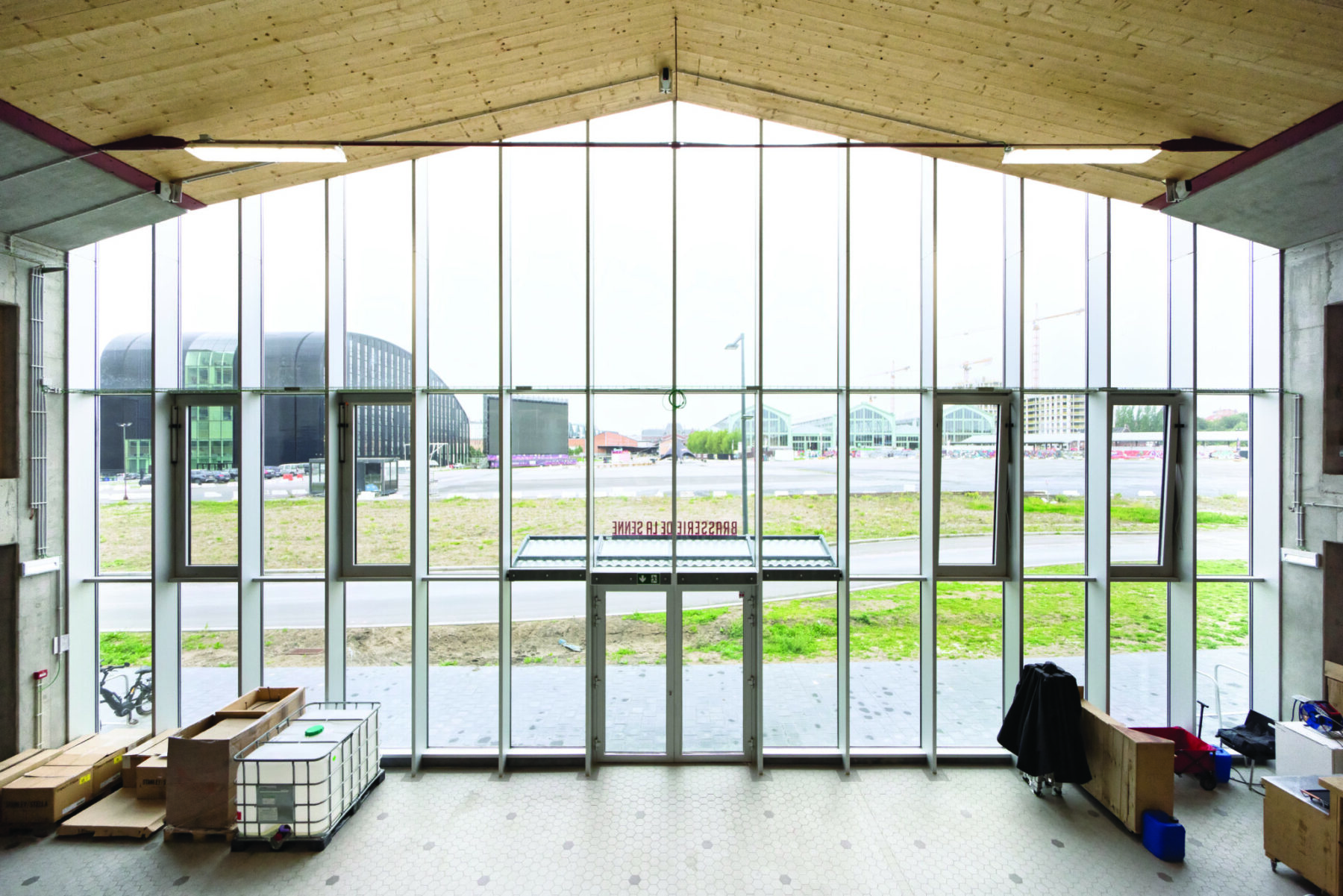
The exodus of craft industries to industrial estates on the outskirts of the city brought about a drastic change in the fabric of the 19th-century city centre in the 1960s. However, a reverse trend has now set in, with productive activities being reintroduced into the city centre. This is accompanied by the emergence of new typologies. A fine example is Générale’s recent project for Brasserie de la Senne at Thurn & Taxis.
The industrial site of Thurn & Taxis around the former Gare Maritime freight station (built in 1907) has been undergoing extensive redevelopment for over fifteen years. The repurposing of this enormous site dates back to Bas Smets’ masterplan of 2012. Over the years, the integrity of the plan has been somewhat lost. The buildings that have since been completed – most by private developers – all have a different urban programme. New residential complexes are combined with commercial premises, and offices stand alongside industrial buildings. Productive activity has always taken place along the canal, but now it is re-establishing itself within this urban development. The urban mix of functions is the cornerstone of the Canal Plan, which aims to integrate economic and industrial activities into the city because they are indeed complementary to the residential function. Under the banner of the ‘productive city’, the Brussels Region is therefore giving industry a prominent place in the urban project for the Canal Zone.