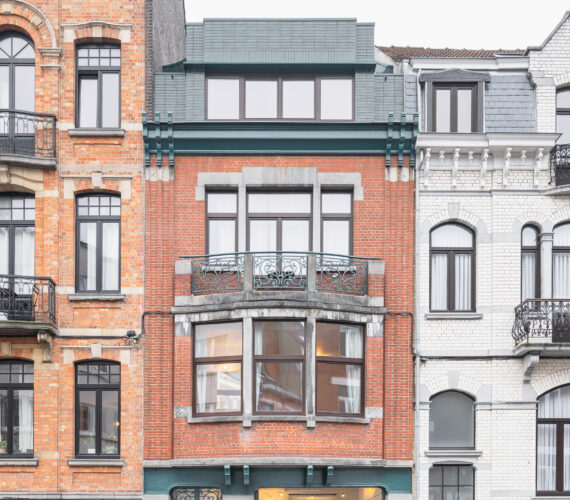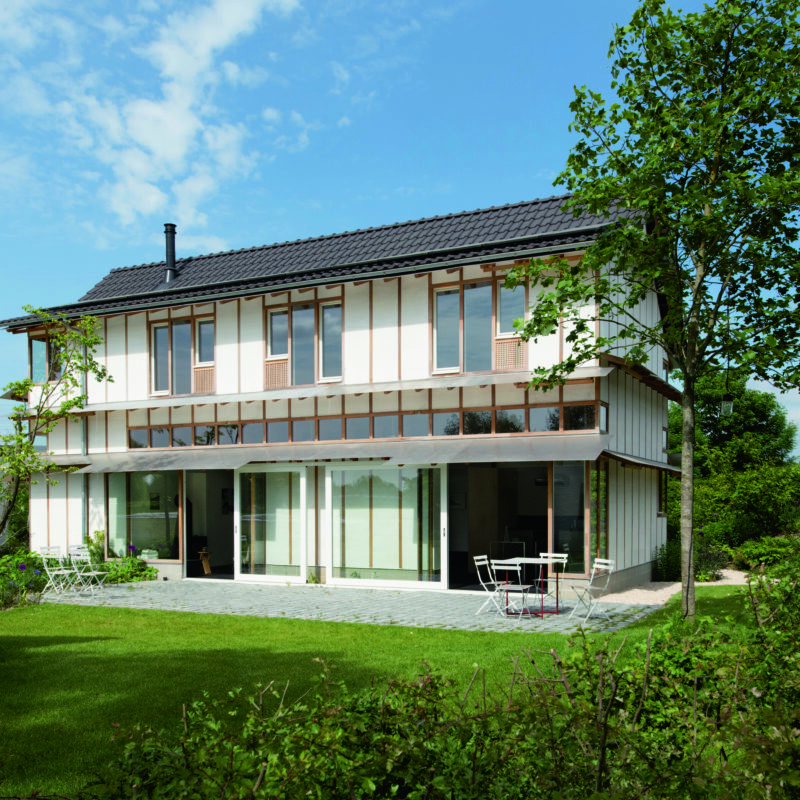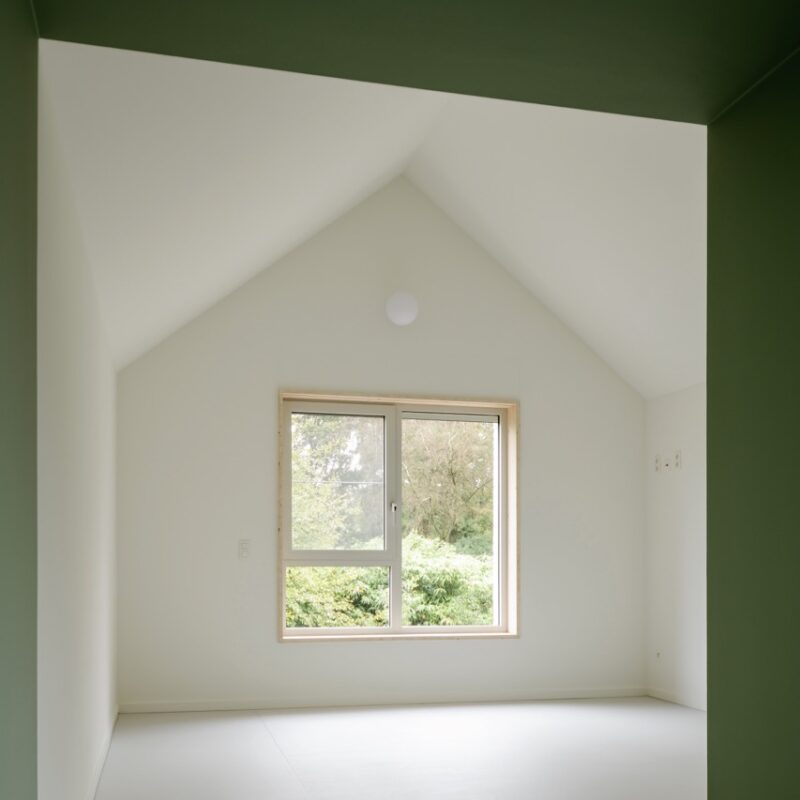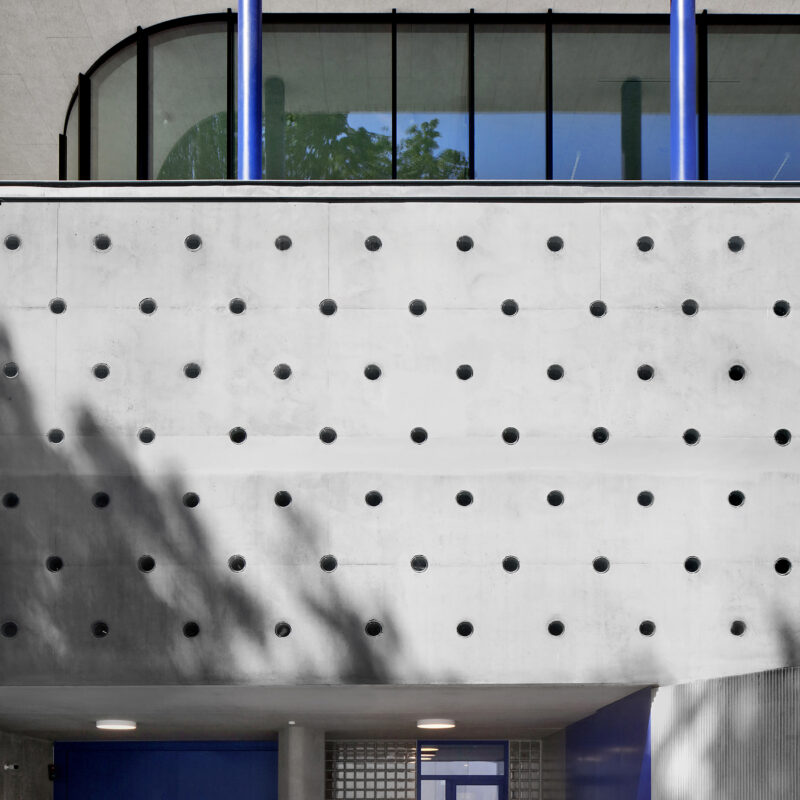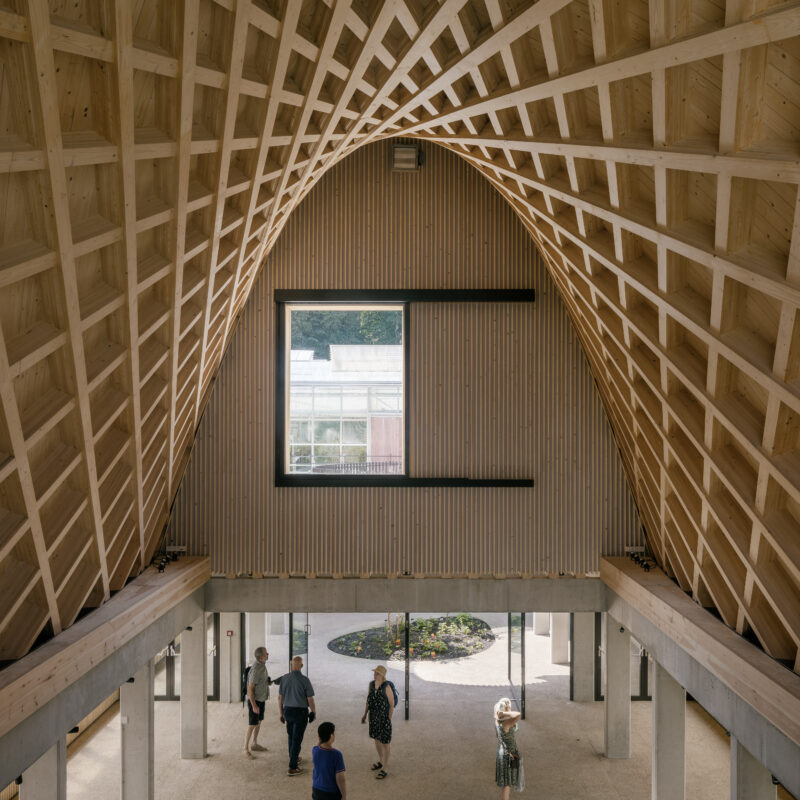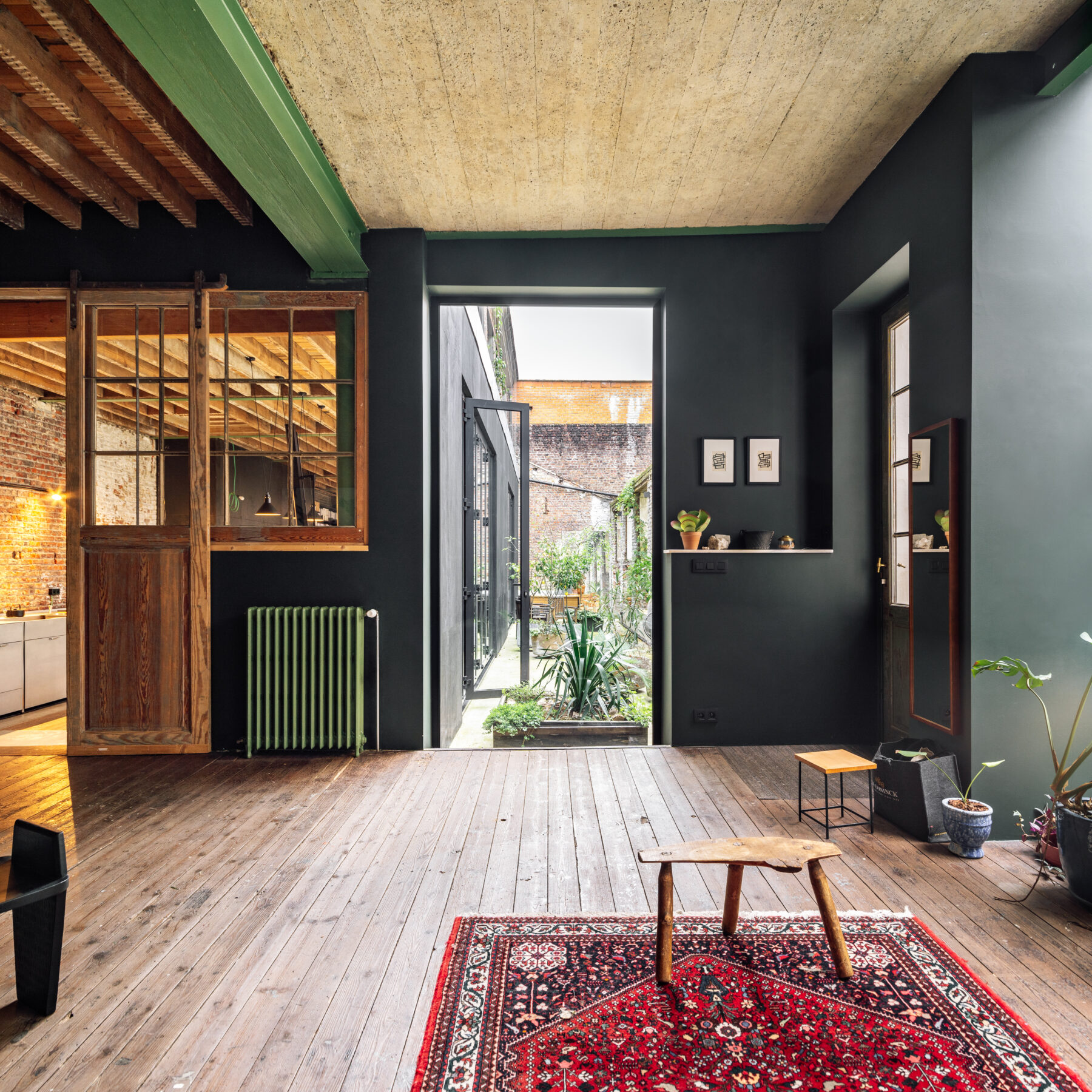
Hylé approaches space and its constructed materials with great humility. There is no clear demarcation between what is new and what already existed in the converted former carpentry workshop. Spatial and deeply ecological concerns are brought to life here.
Making an existing structure legible, appreciating and enhancing the nobility of simple materials, and questioning ways of doing things. These are the three main themes that define Romina Dargenton and Valentin Thévenot’s approach. But when you ask them about it, it is the empathetic side of their architecture that shines through. The questioning of the recovery, diversion and reuse of materials considered for their properties, and also for their colours, is accompanied by the pleasure of getting to know the people who will inhabit a place and designing a space that is just right for them. Against the culture of image and those architects who produce grand gestures, Hylé refuses to adopt a style. It is up to the client to determine it. “For us, the architect clearly acts as a mediator. They compose the space, of course, but the appropriation of the premises requires an understanding of how the building works.” Behind a partition or under a trapdoor, accessible systems and drainage ensure easy maintenance, but also allow for evolution over time. Thus, overlaying actions or non-removable elements are avoided.