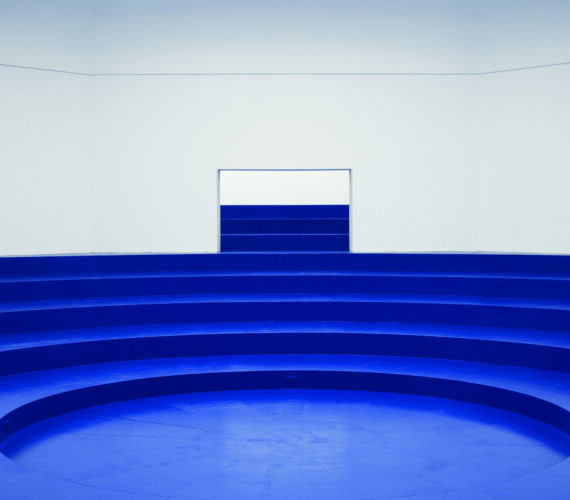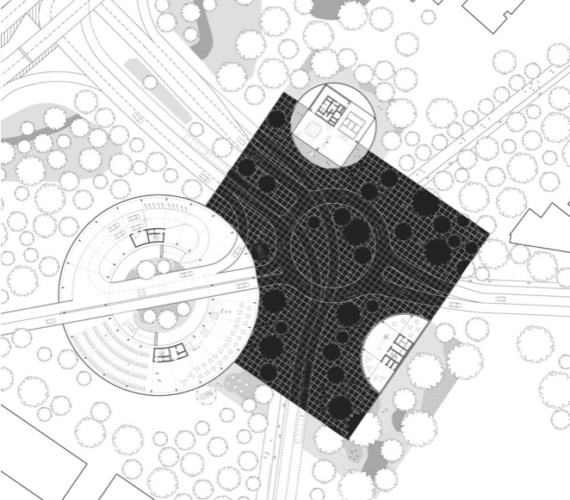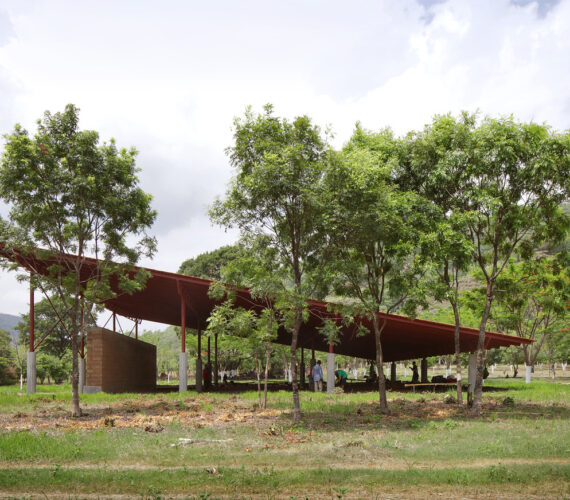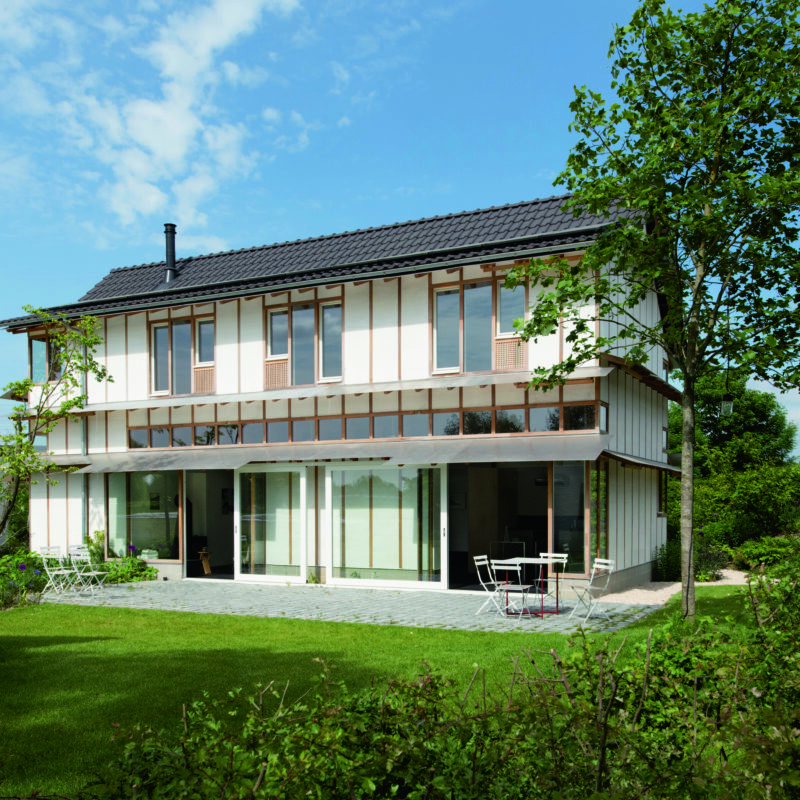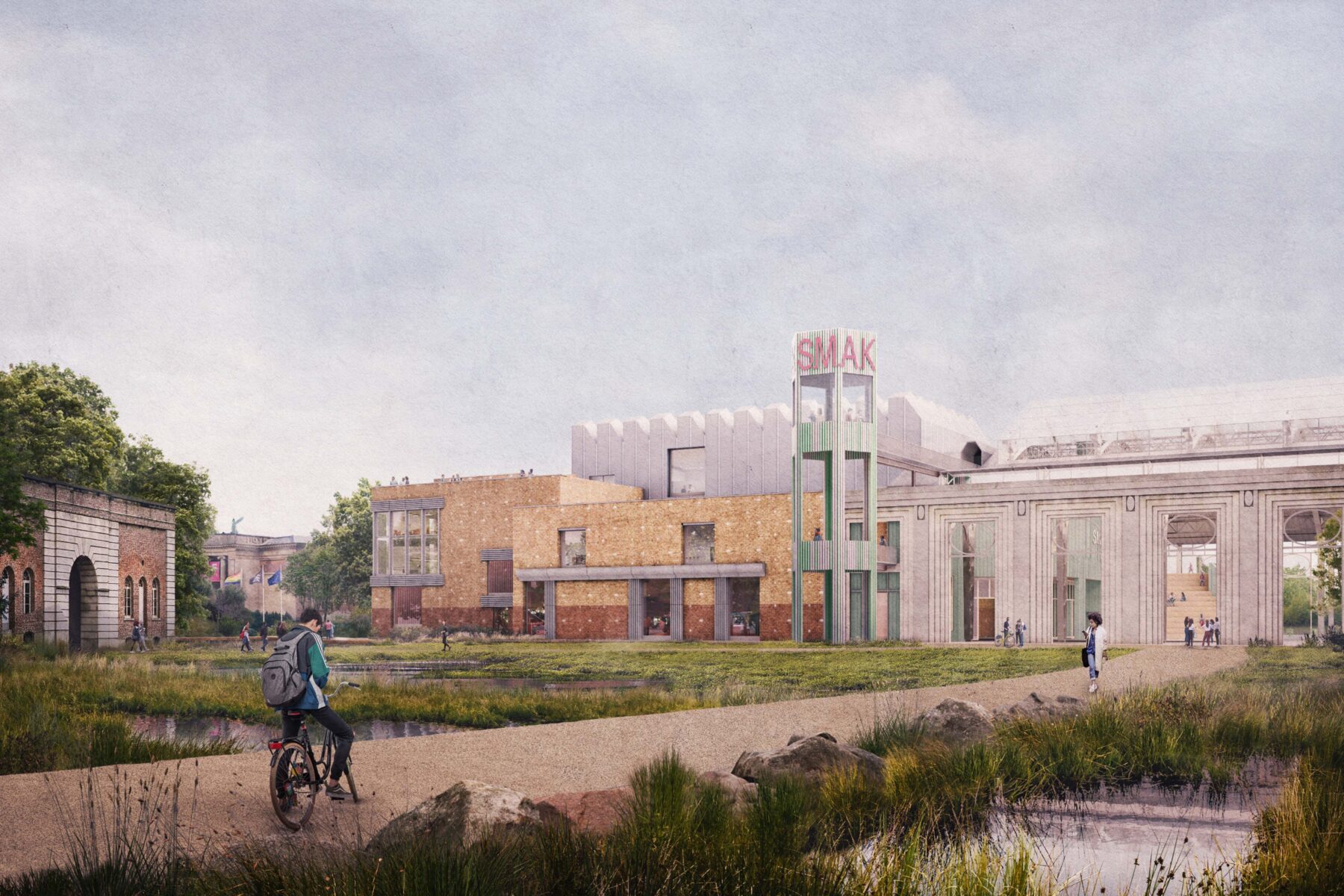
It is rare to find a more complex assignment than the design of a new S.M.A.K. in Citadel Park in Ghent. Critics branded the current museum a caricature when it opened in 1999. The collection built up by the legendary Jan Hoet may be world-class, but the building certainly no longer meets current standards for museum spaces. It is also too small and poorly equipped. The building was never intended to be a museum, but rather the casino wing of the Floralies complex, right in the middle of Citadel Park.
The park was created after the demolition of the Dutch citadel and became the location of the Ghent World Exhibition of 1913. The immense steel Floralienhal still bears witness to this. The restaurants, the ‘serre chaude’ and the banquet hall that adjoined it were rebuilt or replaced after the Second World War. On the long sides of the hall, the ‘het Kuipke’ cycling track was built to the north and the International Congress Centre (ICC) to the south. The casino was built on the eastern end, which was later converted into the S.M.A.K. The ‘Rode Poort’ (Red Gate), which is connected to it and now houses the museum depot, recycled part of the hall. A sister building to the casino was built on the western end. Due to these many extensions and modifications, the complex gradually lost all connection with the park. Today, large parts of it are underused. The Floralia Hall is even empty. The park is also in poor condition. Since 2010, the city has appointed several research teams to devise a master plan for the park and the buildings. The current vision is that the buildings are ‘guests’ in the park. In this vision, the Floralienhal becomes a logistics hub and a ‘covered park’. In the future, the pedestrian route from Gent-Sint-Pieters station to the city centre would even run through it.