Formal beauty can serve a particular purpose, as demonstrated by Bruno Taut’s Glass Pavilion. It claimed mystical depth and the introduction of a new style, but in essence had a technical-commercial motivation. The temple of beauty was primarily a representation of the possible applications of glass. The demonstration took place within the exhibition of the German Werkbund in Cologne (1914). Afterwards, the pavilion was dismantled. The mystical element only counts if you consider architecture to be a religion.
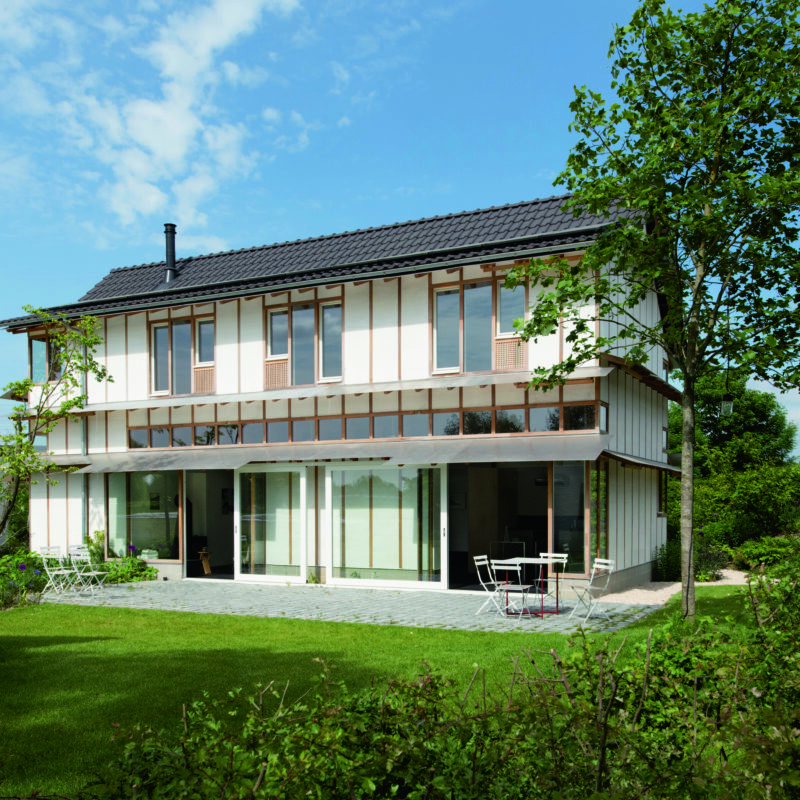
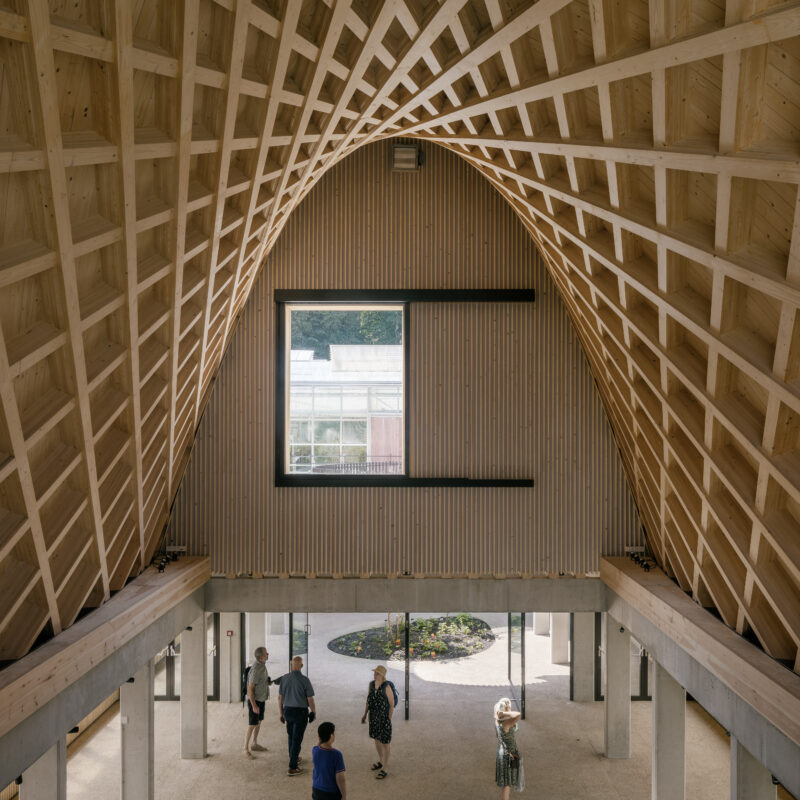
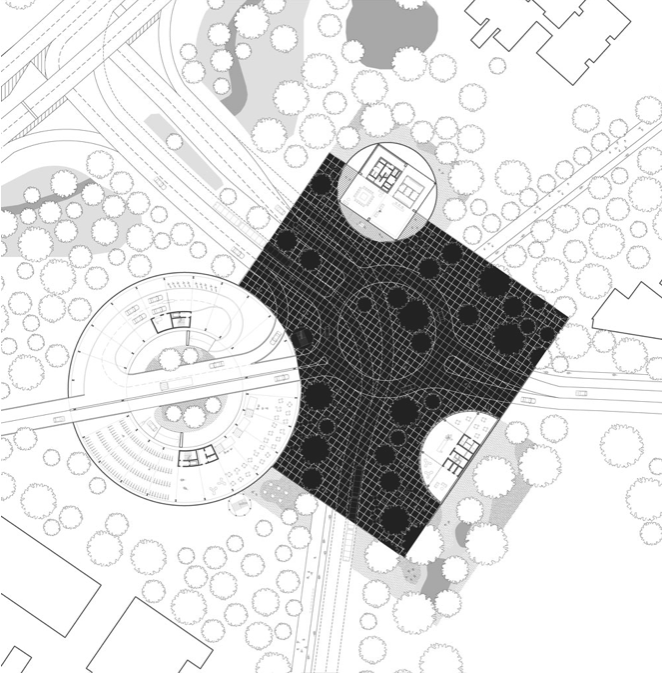
The supposed radicalism of formalism also gives pause for thought. The design by Office Kersten Geers David Van Severen for the library in Sint-Martens-Latem (2023) raises the question of what exactly is so radical about it: the use of a geometric form or the lack of relationship with the context. The library is so close to the adjacent school that it seems to anticipate its demolition. In the photography of house photographer Bas Princen, the school remains absent. The village library forms a small universe dedicated to books. In the suburban environment, there is in any case great freedom of form within the private plot.