The search for flexible spaces seems to be a common requirement for schools nowadays: combining classrooms, creating interstitial spaces, installing movable partitions, opening or closing, isolating or connecting. The school of tomorrow must be adaptable to the uncertainties and changes to come. And yet, behind the commonplaces, school architecture is still made up of invariant components, but continues to seek to reinvent itself. For free teaching methods, are docile spaces necessary?
Before they materialized as standardized school architecture, places of learning and teaching took on many different forms. School, skholê in Greek, defined the free time devoted to study. In antiquity, teachers and disciples passed on knowledge in schools of philosophy. In the Middle Ages, scholastic teaching intertwined reason and faith. Jean-Jacques Rousseau’s Émile failed to resist the industrial revolution that followed in the nineteenth century. Education, which brought about major changes – free schooling, a reduction in child labour – was also accompanied by the establishment of power relations. The modern school trains disciplined individuals who conform to the rhythms and rules of industrial society. The school environment thus became a means of discipline, where the architecture itself taught obedience and regularity: straight corridors, closed-off classrooms, rows of desks, and a clear hierarchy between teachers and pupils.
In the twentieth century, new and progressive teaching methods changed the approach to childhood education: Dewey, Decroly, Piaget, Steiner, Montessori. New architectural forms came into being. Undoubtedly, there are no stable forms for educational spaces. Three freely chosen milestones in the twentieth century provide a perspective that helps us to identify areas where flexibility was sought in school architecture projects. First, in the composition of the plan, in search of generosity in internal spaces. Or in the construction process, offering the possibility of modularity. Or, outside the school, in the public space and its relation to the city.
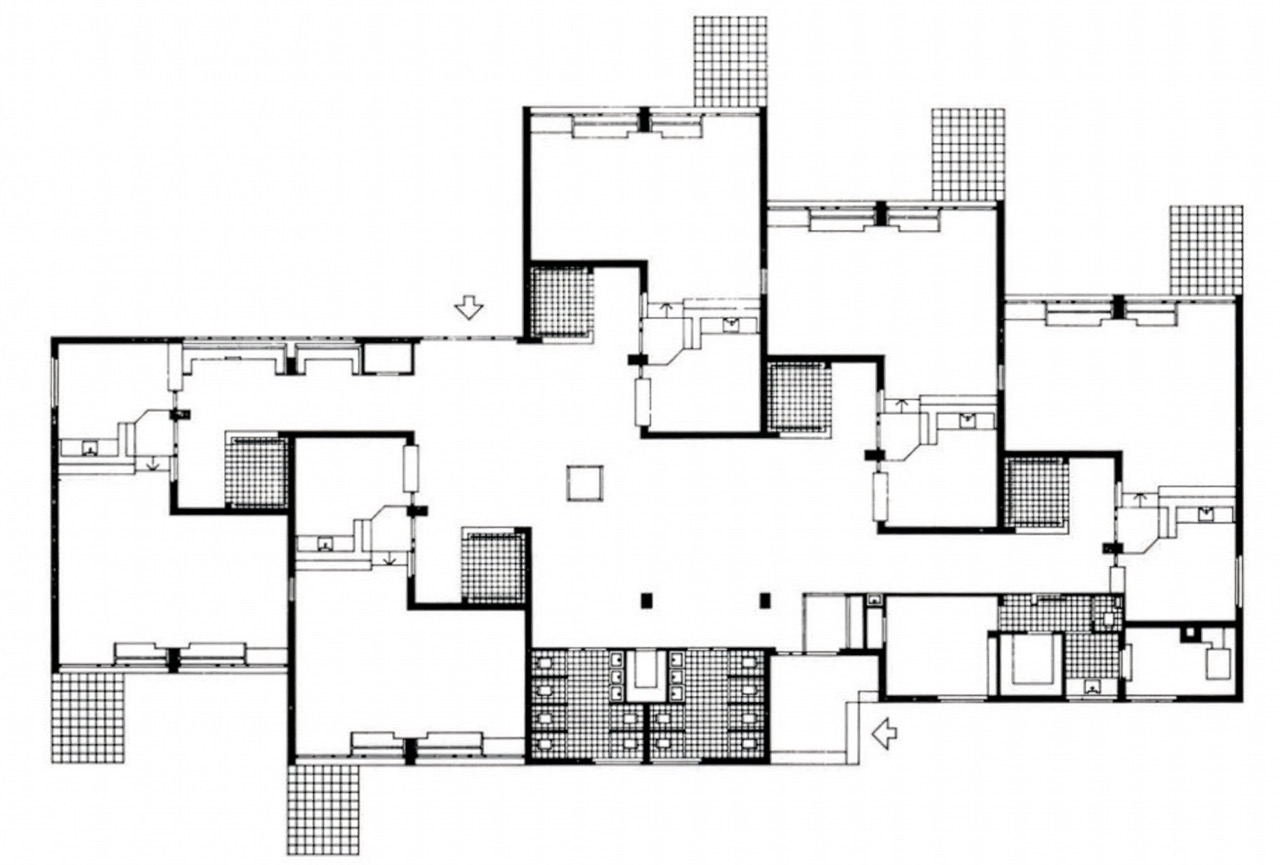
In Delft, Herman Hertzberger designed a Montessori school in the 1960s that to this day remains an example, among many others, of these new school spaces. Designed like a small town, the plan clusters classrooms around a central space that is too large to be just a corridor, too shapeless to induce any strict or predefined use. Its edges feature folds that allow for different levels of activity, from the individual to the group. The plan is designed as an open system and will later allow for the extension of the school around this principle.
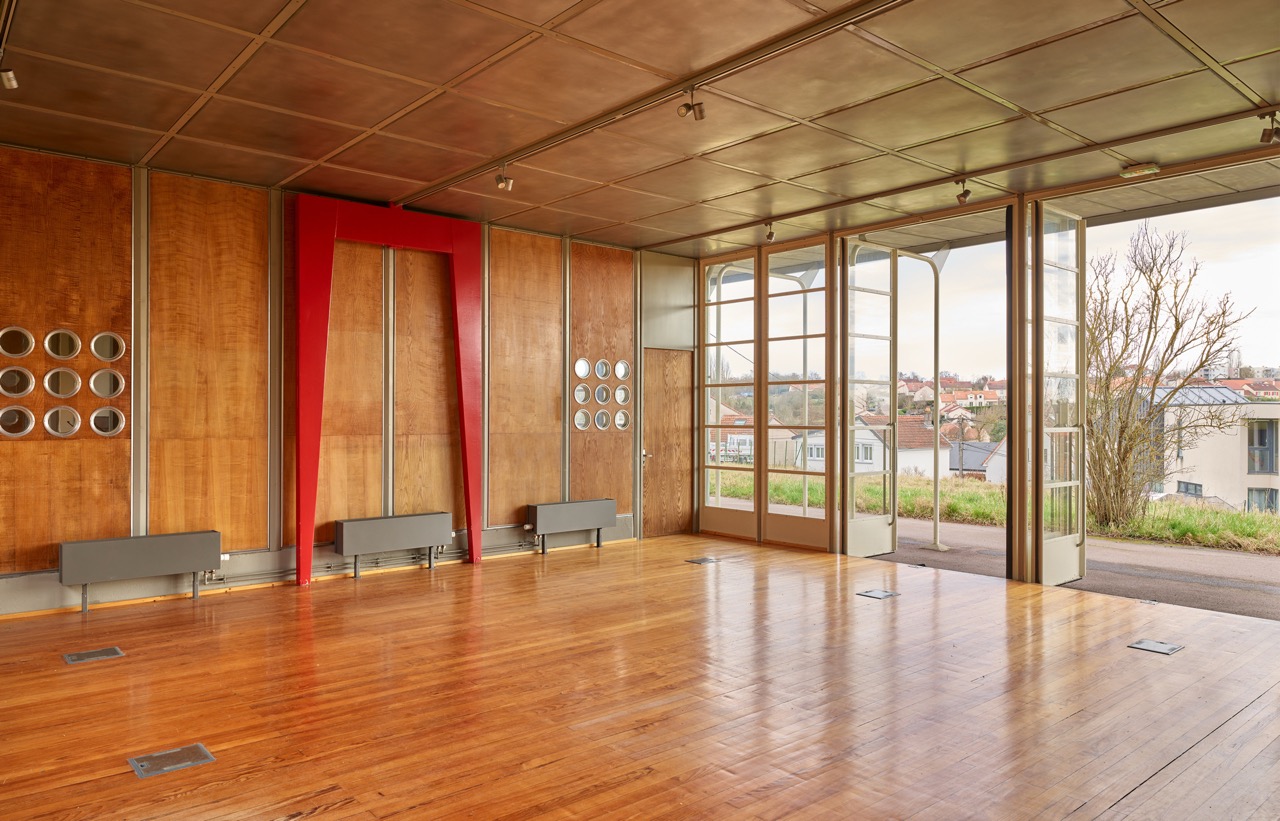
In direct association with a contractor, Jean Prouvé proposed standardized prefabricated schools that would enable the rapid reconstruction of the national infrastructure after World War II. The system had to be easily adaptable to various contexts, on the basis of a foundation consisting of a classroom, a workshop and a covered playground – with the teacher’s house attached. Flexibility lay not in the design, but in the location, the ability to put up this basic structure anywhere.
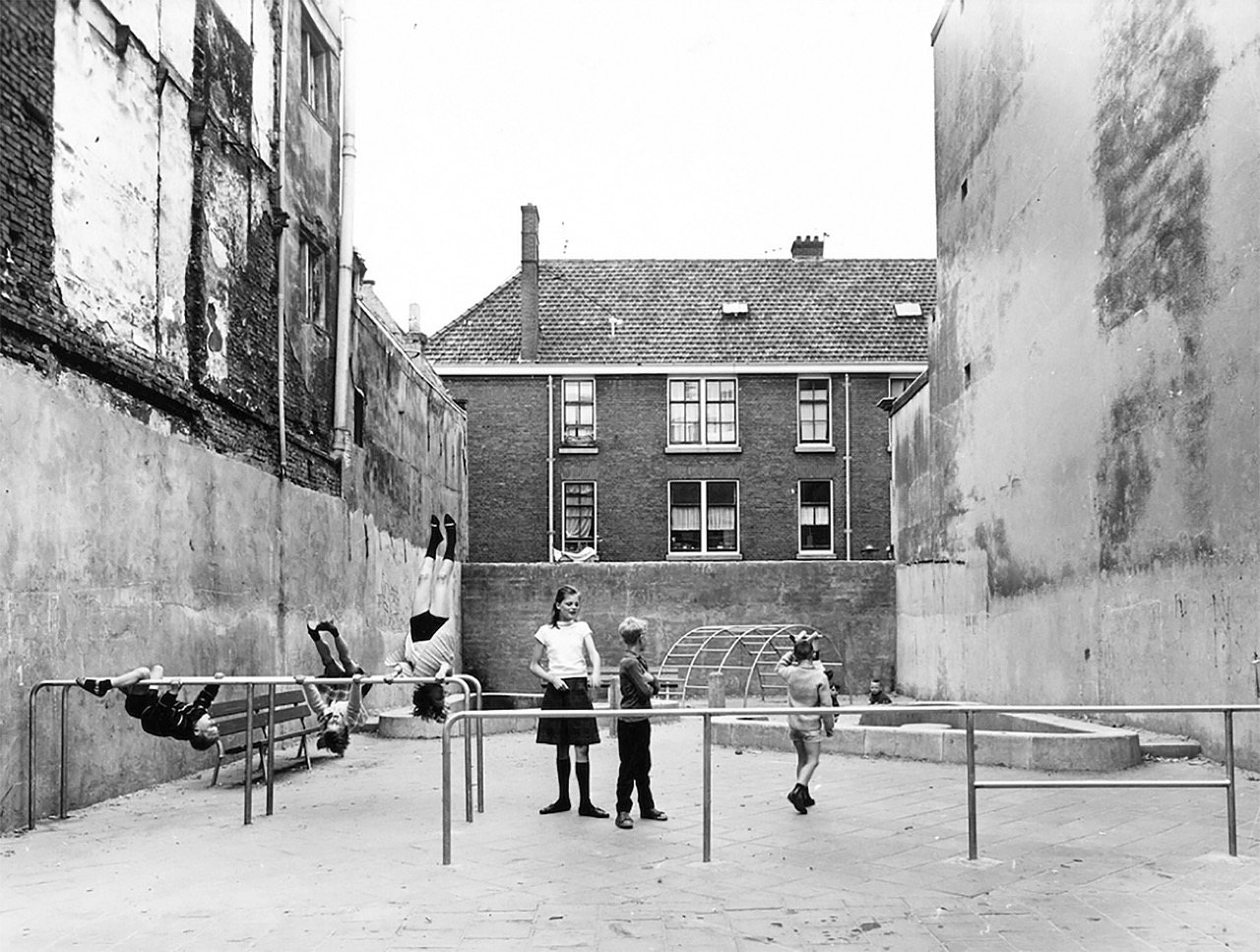
During the same post-war decades, the place of children in the city and the structuring role of schools in neighbourhoods became topics of research, both from a spatial perspective and in terms of their ability to structure sociocultural links with the area. Aldo Van Eyck’s playgrounds in Amsterdam (immediately after the war and until the 1970s) illustrate the new place that children occupied in society, and therefore schools in the city.
Returning to our historical categorization, it is possible to gauge what is being done today by looking at a non-exhaustive inventory of recent projects in Belgium. This can serve as a barometer for understanding ‘where’ schools and their architects are looking for space for open and innovative – free – teaching methods.
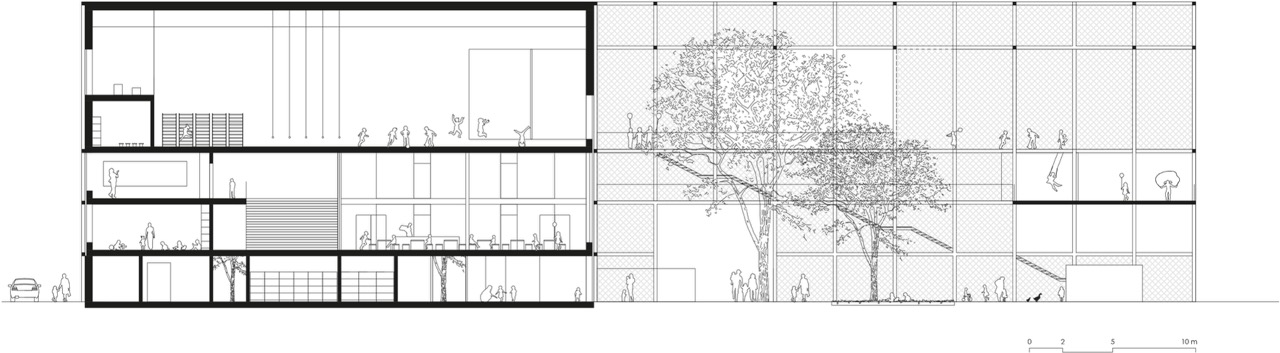
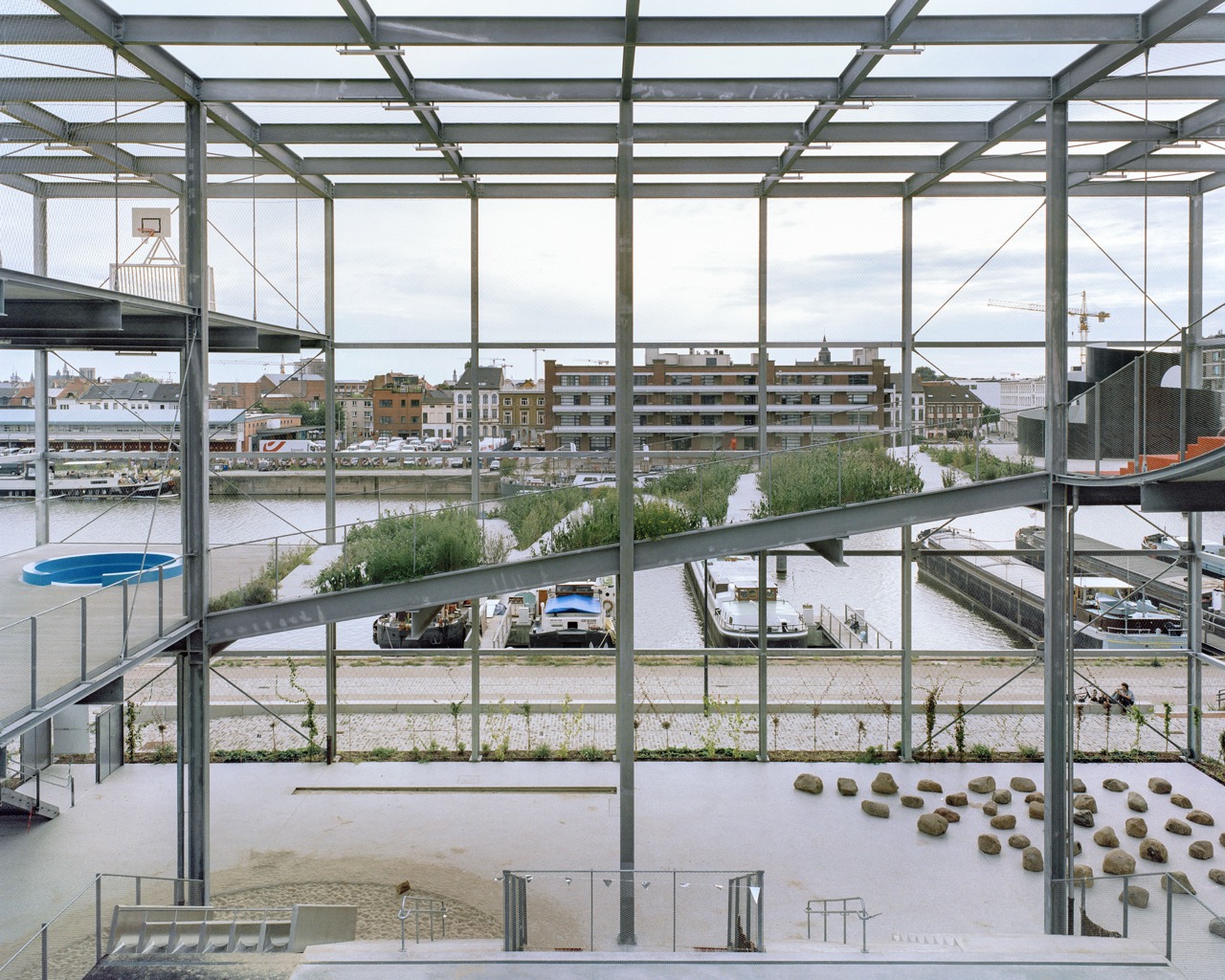
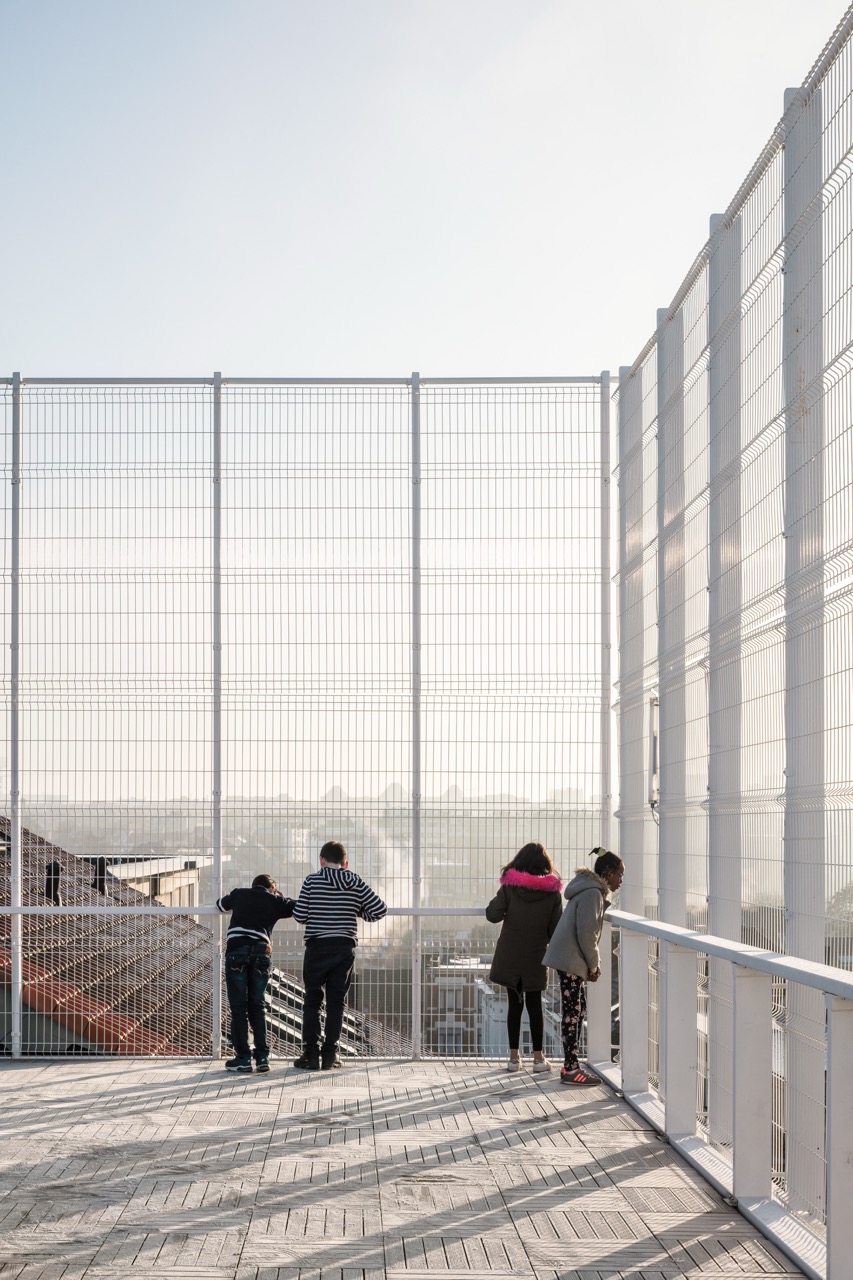
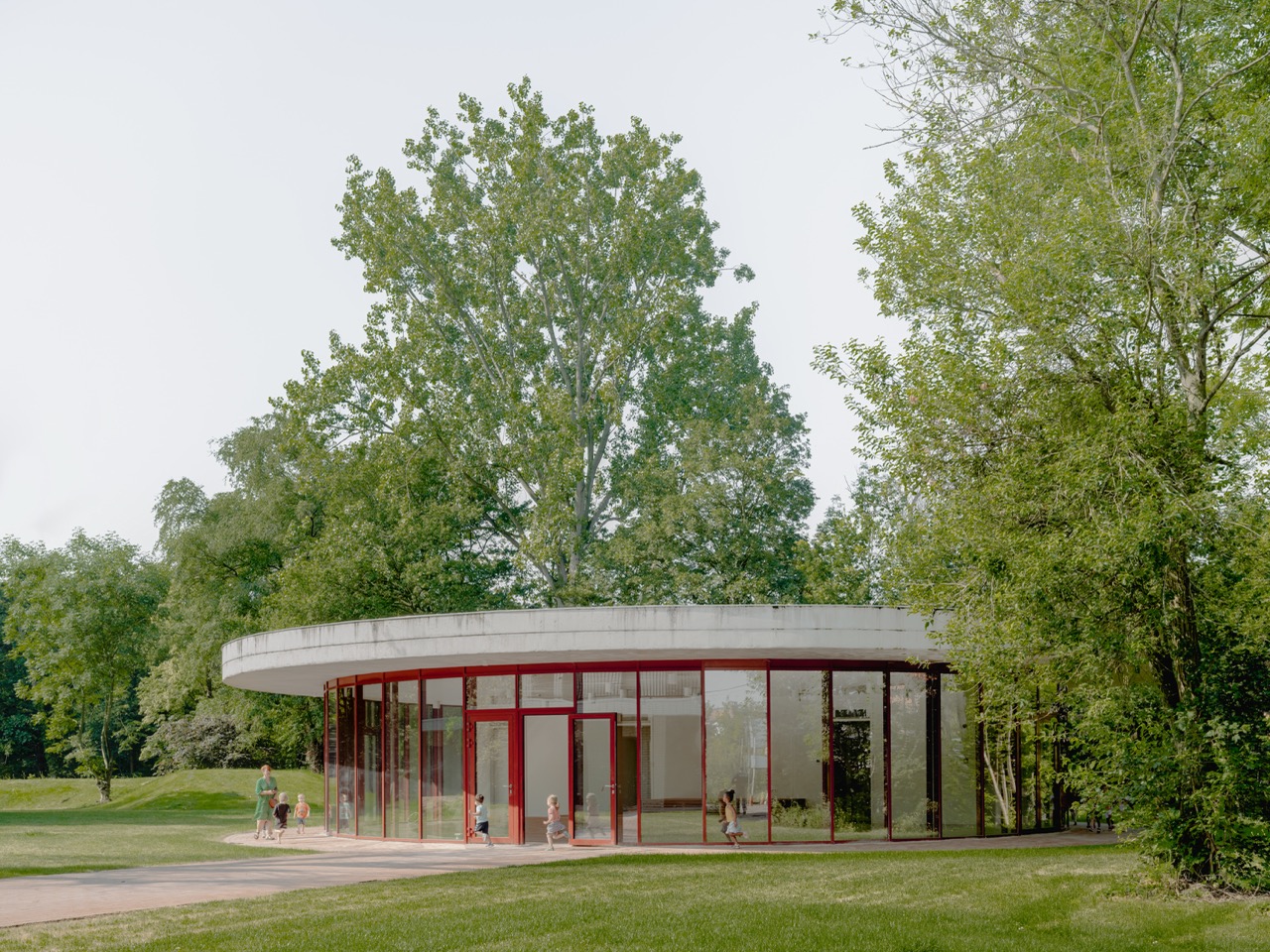
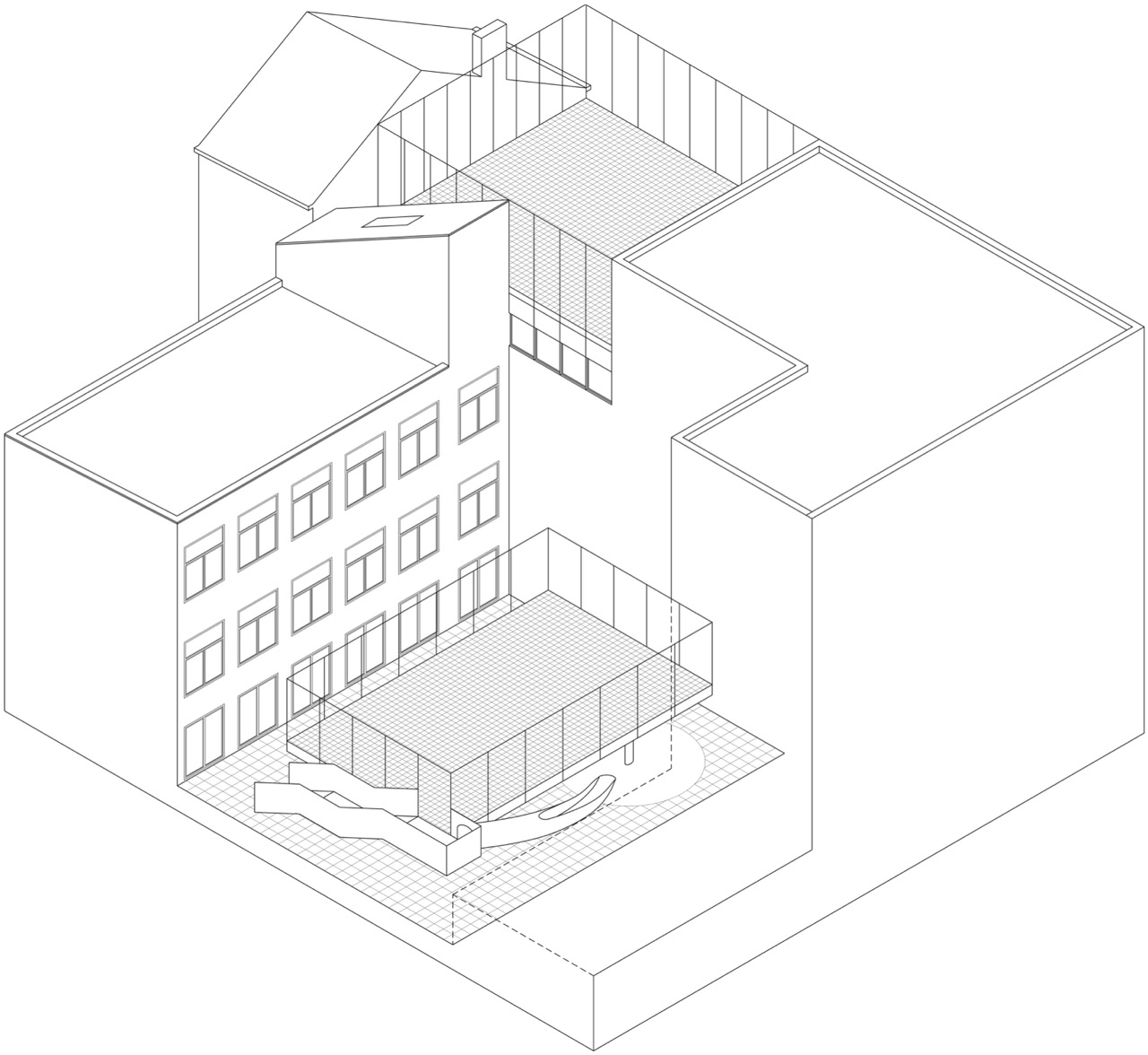
In 2025 the exhibition L’école idéale (The Ideal School), on display at the Pavillon de l’Arsenal (Paris Centre for Urban Planning and Architecture), proposed a simple classification of the places and elements that make up a school: the surroundings, the shape, the classroom, the circulations, the materials, the playground. These are all elements where architectural experiments in flexibility can be found. On the roof, for example, as in the Arc-en-Ciel school in Saint-Josse (2019), where Label responded to the density of the site by adding play areas on the roof (see A+309). Or at the Mélopée school in Ghent (2022), where XDGA designed the three-dimensional structure as a spatial framework for ‘everything else the school can accommodate’ (see A+293). Or within the school itself, as in Oetingen (2024), where B-ILD installed a multipurpose space at the heart of a compact building. Or outside, as in Koningshooikt (2023), where B-ILD again proposed an autonomous multipurpose pavilion (two projects carried out as part of the GO! Onderwijs programme for the construction of schools in the Flemish Community). Or in an ambitious and direct relationship with the landscape, such as the Nespa active learning school in Genappe, designed by Pierre Blondel Architectes and La Verte Voie, or in the minimal articulation with outdoor spaces in the rural school projects by LRArchitectes in Vierset (2016) and Bornival (2020) (see A+282).
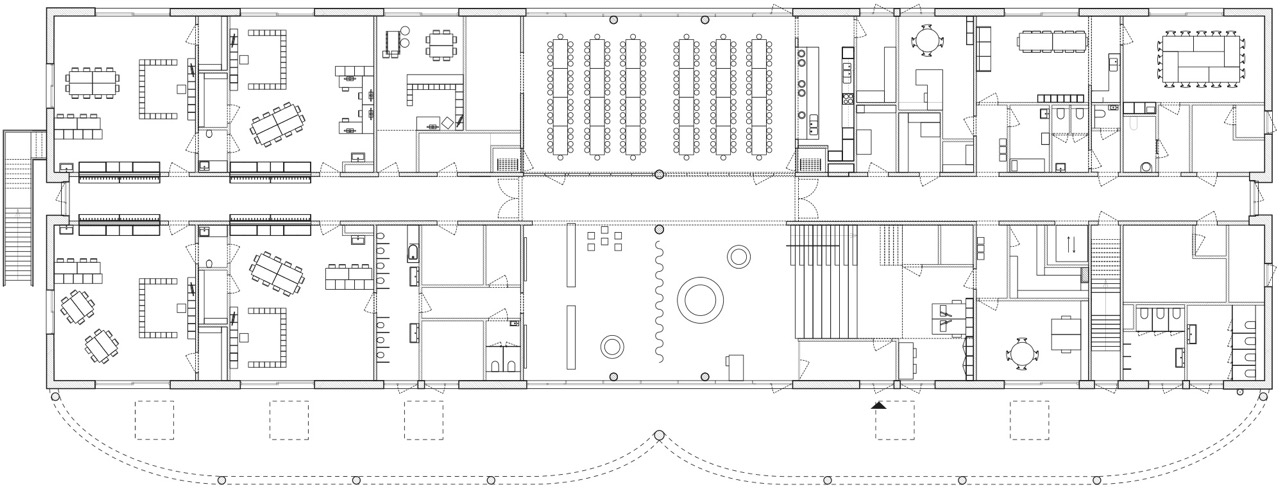
Several recent school projects came into being when existing structures were converted. Examples include the refurbishment of former factories (Vers.a, Dubrucq, see A+279) or offices (AgwA, Karreveld, see A+305) or even an industrial mining building (a2o – AAC, Beringen, see A+305), which proves almost unintentionally that flexibility is not so much a theme inherent to school architecture as an approach that encourages the intelligent conversion of other types of buildings.
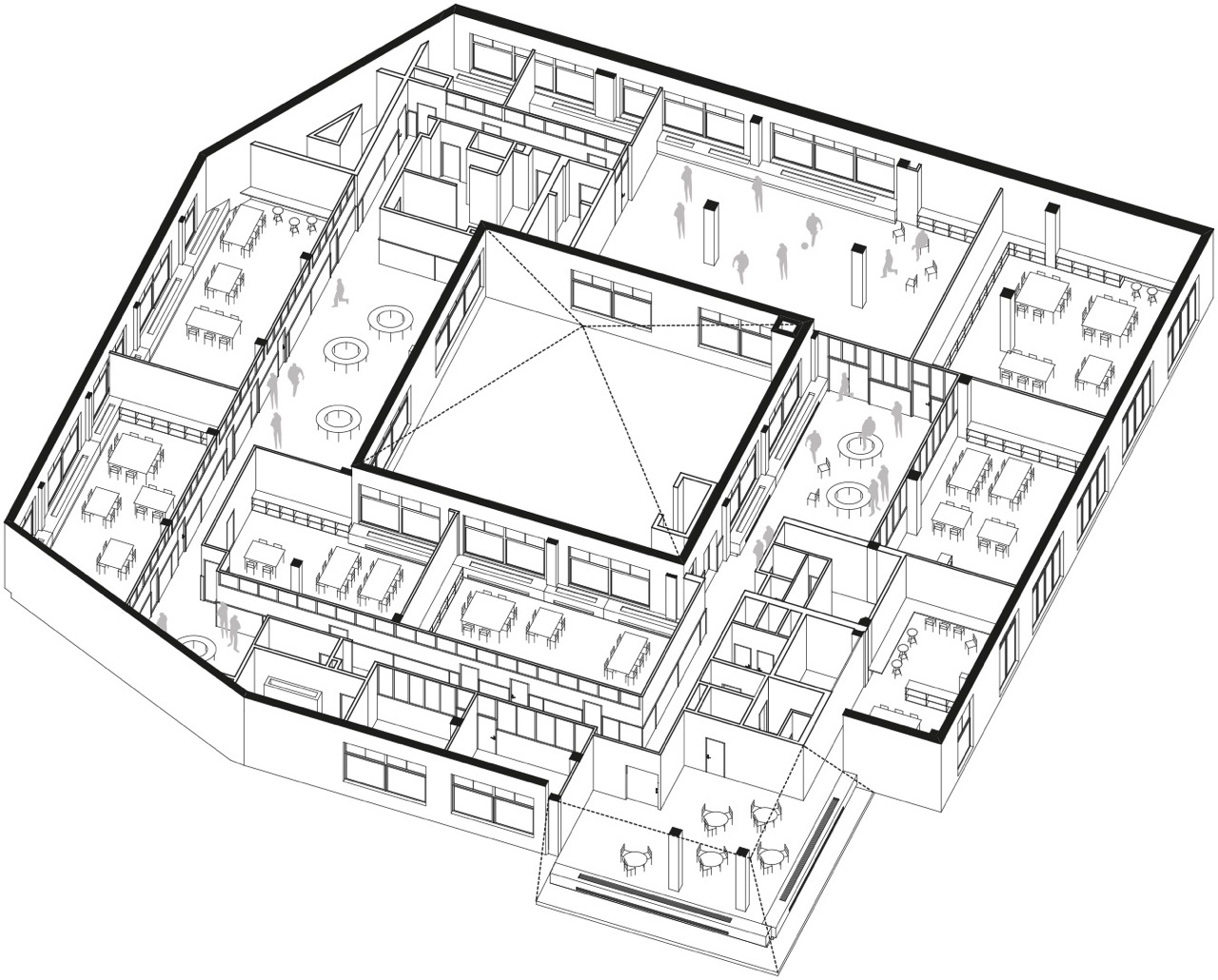
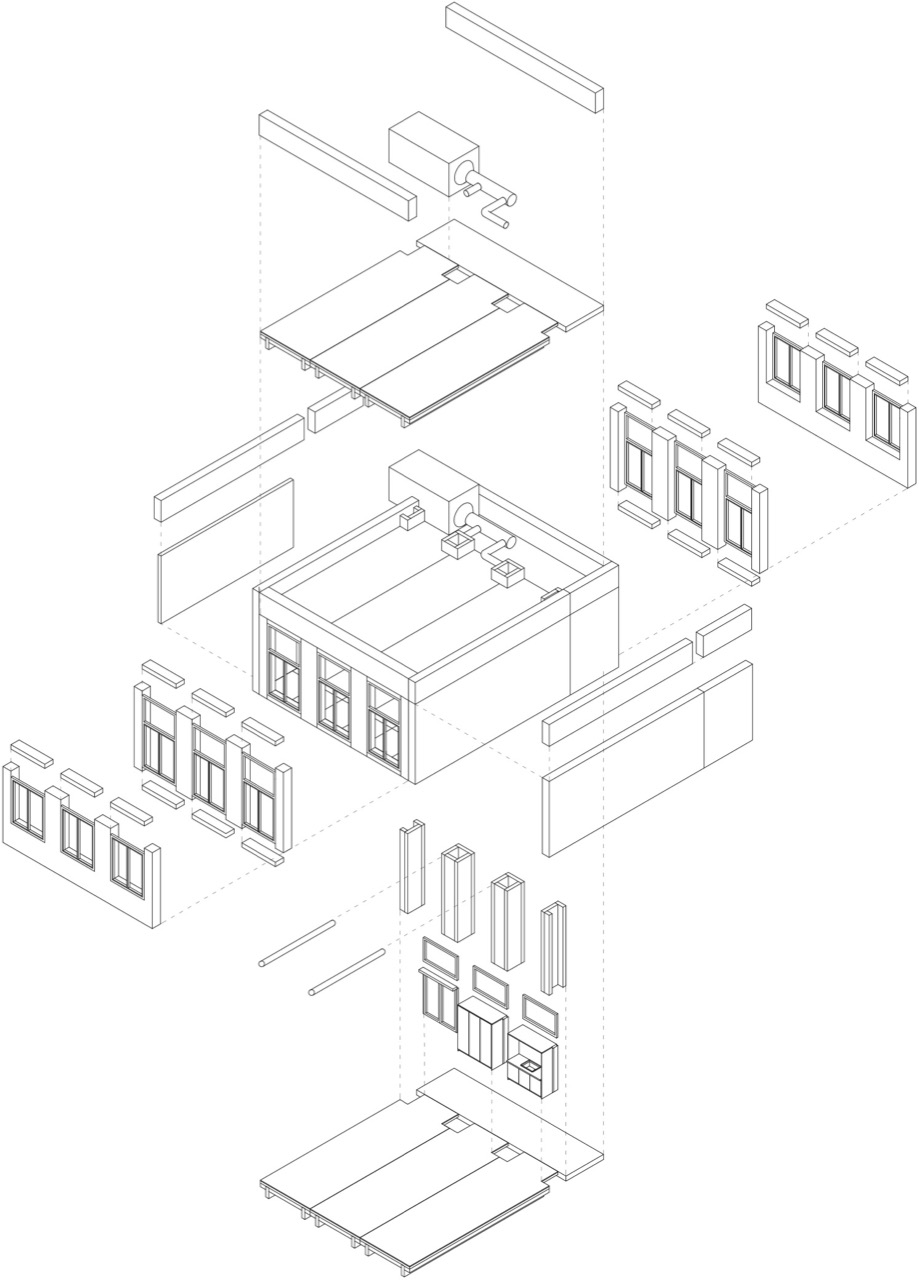
Taking the opposite approach, in 2012 the Wallonia-Brussels Federation launched a specific programme, the first results of which are now being built in La Louvière. How can a system that can be replicated anywhere, but each time in unique conditions, be reduced to its essentials? Following a research project involving design offices and a university research laboratory, a modular system was developed. It aims to provide an economical response to this two-sided equation of strong demand for school infrastructure in a variety of situations.
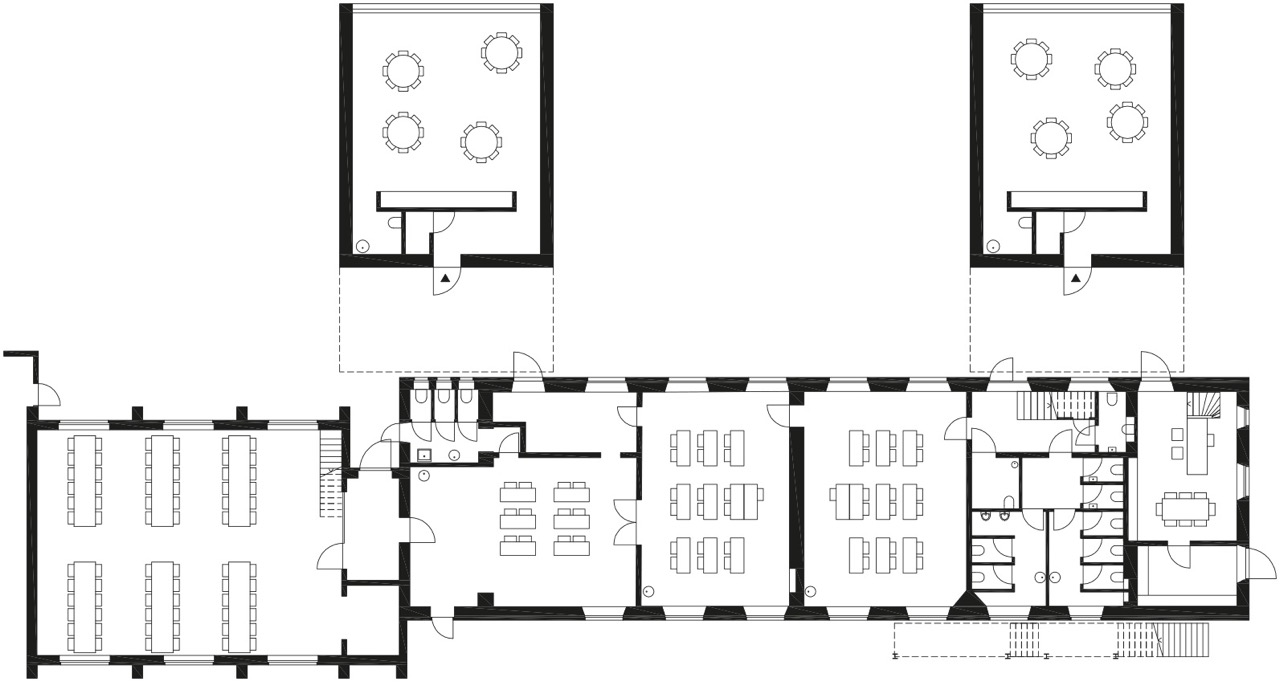
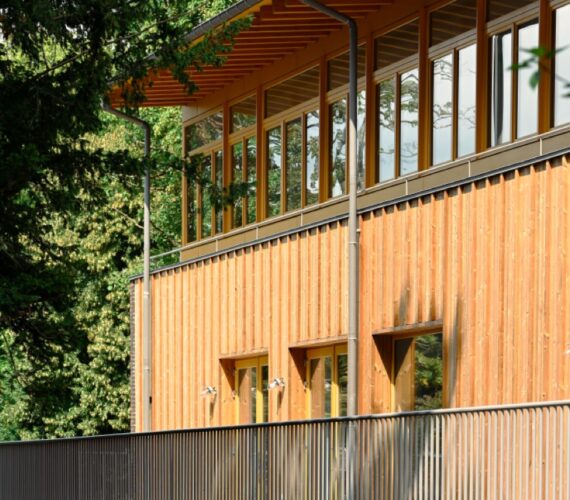
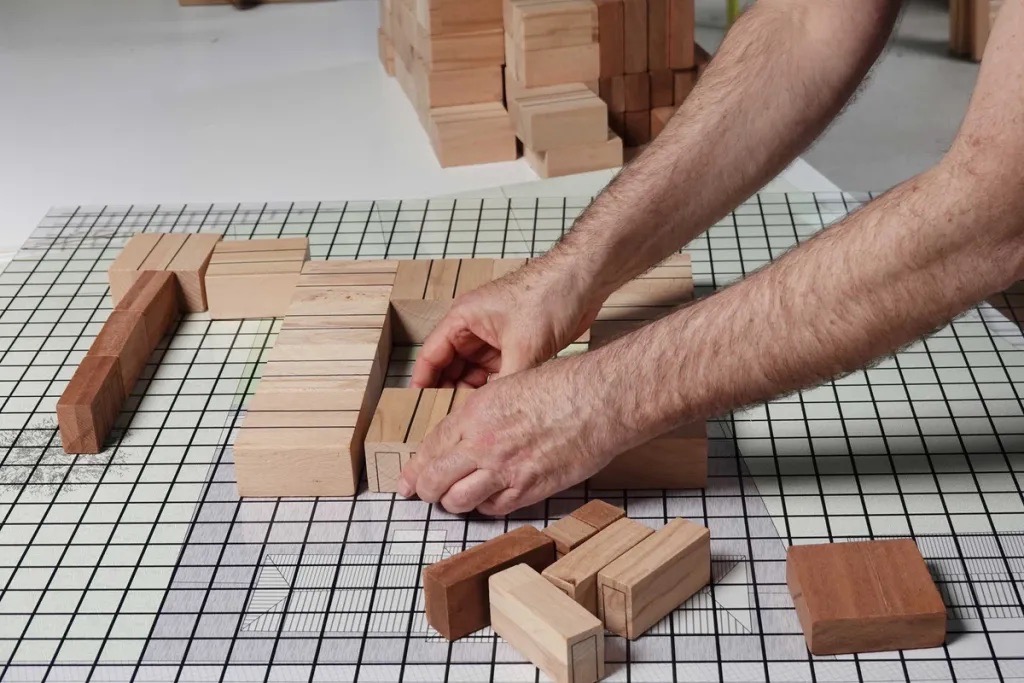
The ambition is to put in place an economical, simple, reproducible tool that can be adapted to local conditions. Here, flexibility is understood rather as the ability of a simple, reproducible system to adapt to multiple and diverse conditions – the lowest common denominator. With Jean Prouvé’s school projects as a reference (see above), the team led by Matador is responding to this demand with a system called Modul’R, a prefabricated wooden system and modularity organized around classroom spaces and an enlarged corridor.
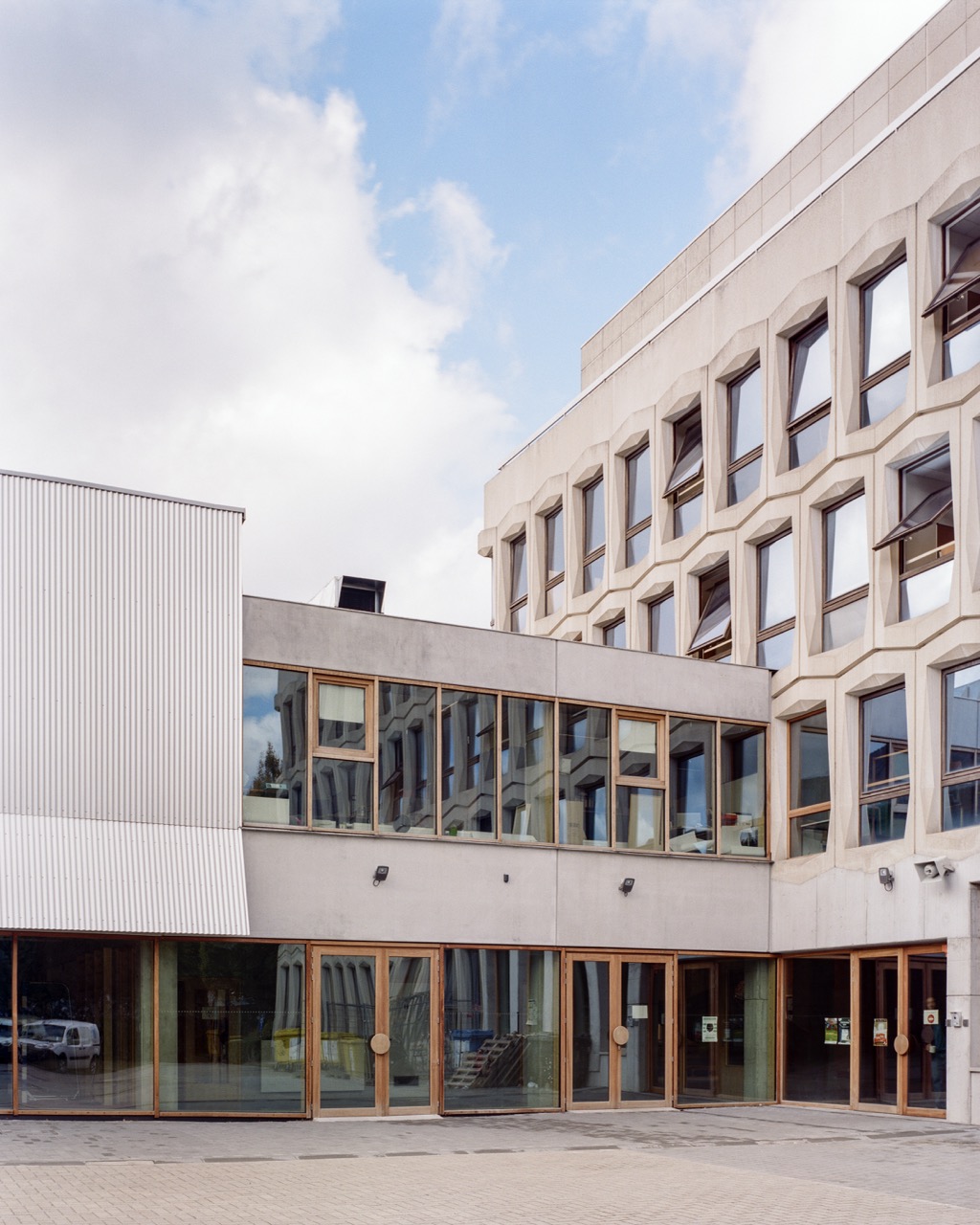
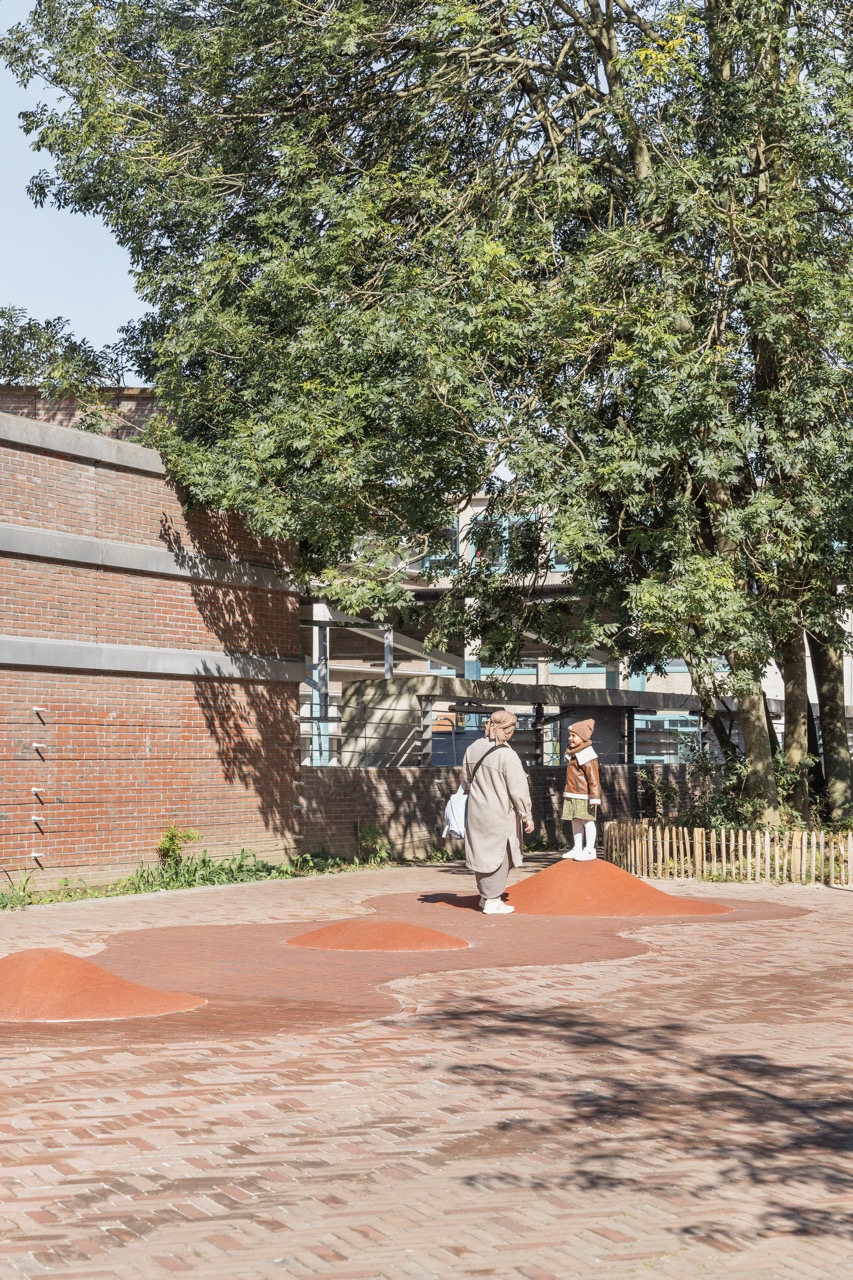
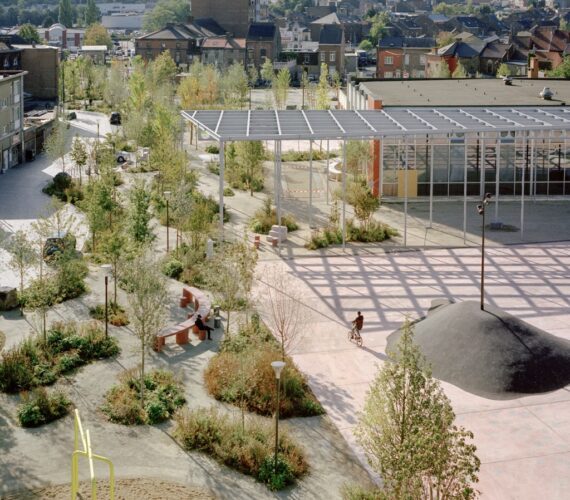
Finally, the third approach envisages the school as a flexible entity serving a neighbourhood. How many projects have attempted to open up even just the playground outside school hours and at weekends to a public in need of recreational spaces in dense urban areas, without always succeeding? The recent renovation of the threshold spaces at Klavertje 4 in Brussels North by act. is an attempt to reconnect the school with its forecourt. The extended school programmes of the Flemish Community and the school contracts in Brussels are probably the heirs of these movements (see Joeri De Bruyn’s article on this subject in A+279).
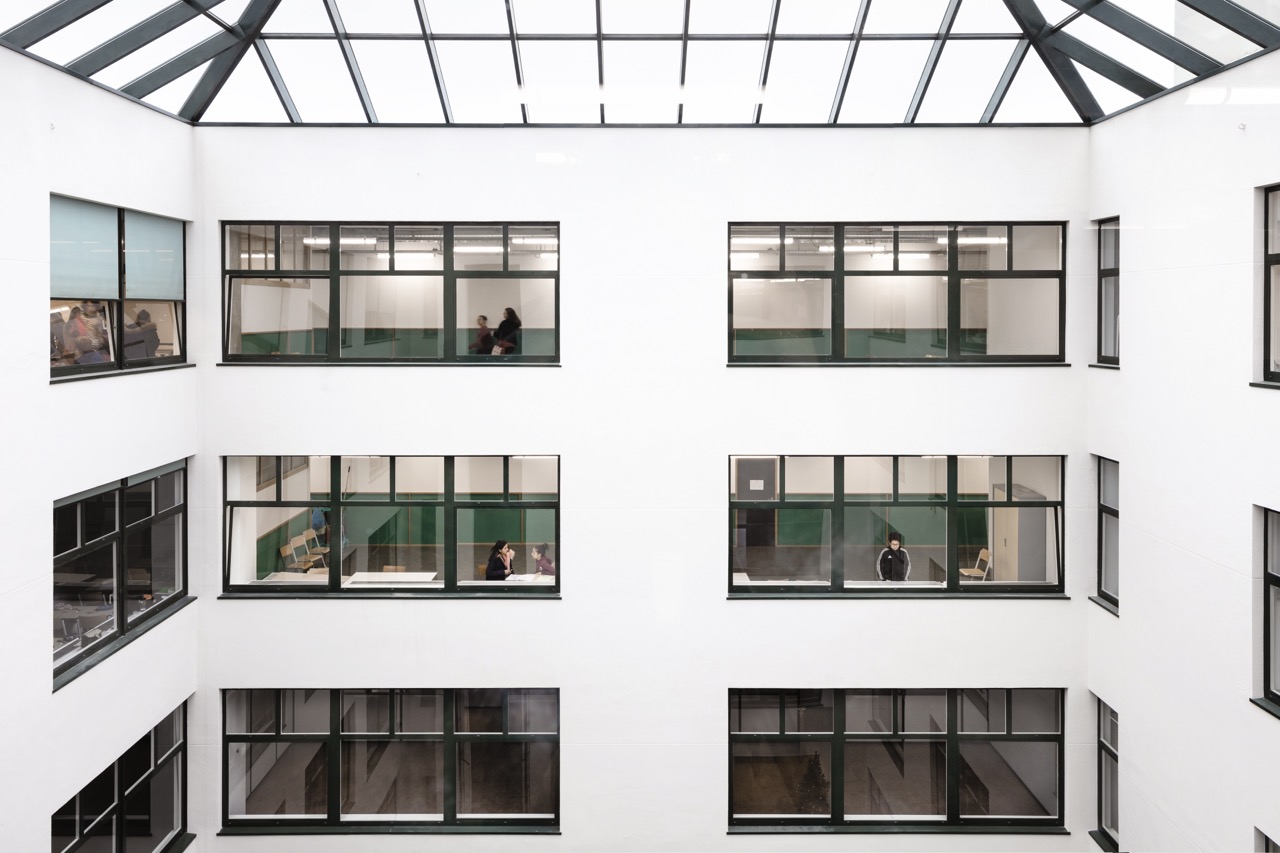
Paradoxically, today, despite increasingly open educational contexts, normativity is to be found at every level: of course, in the regulatory apparatus governing energy, construction and administration, which de facto removes some degrees of freedom from the notion of flexibility. Yes, we have to admit that this flexibility, in the case of school architecture, is paradoxical. Without being entirely chimerical, it does reach certain limits. The discretionary unit remains the classroom, which in most cases must be distributed along corridors. The quest for freedom of a school seeking to emancipate itself from this strict framework then spills over into its outdoor, intermediate and urban spaces. Ultimately, the ‘flexibility’ of school architecture is less about spatial quality than the dream of the ‘school institution’: that of a building that alone responds to complexities and contradictions.
At a time when adaptation and emancipation are confused, flexibility often translates into docile submission to the language of management – everything must be modular, efficient, adjustable. Beyond sliding partitions, might true flexibility not lie in a structure that accepts being inhabited differently, slowly, by those who learn from it as much as they transform it? In a radical critique of the school institution, Ivan Illich proposed ‘a society without schools’ in 1970. Without going that far, architecture could aim for something else: to create unruly, robust and hospitable places, capable of accommodating the unexpected, conflict, slowness, even the world beyond the school gates. Not spaces that bend to everything, but places where we can still learn not to give in.