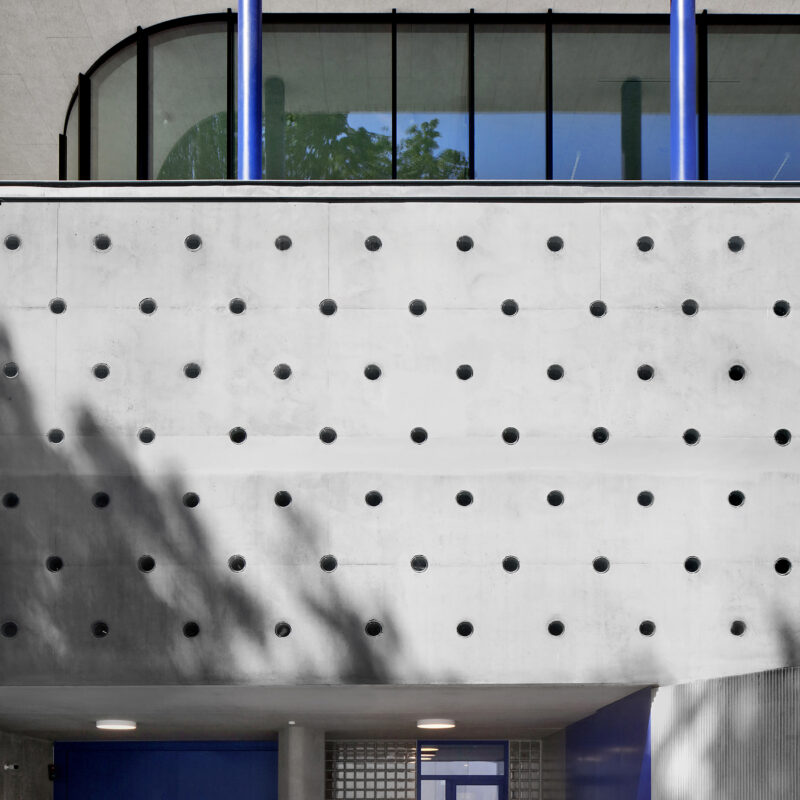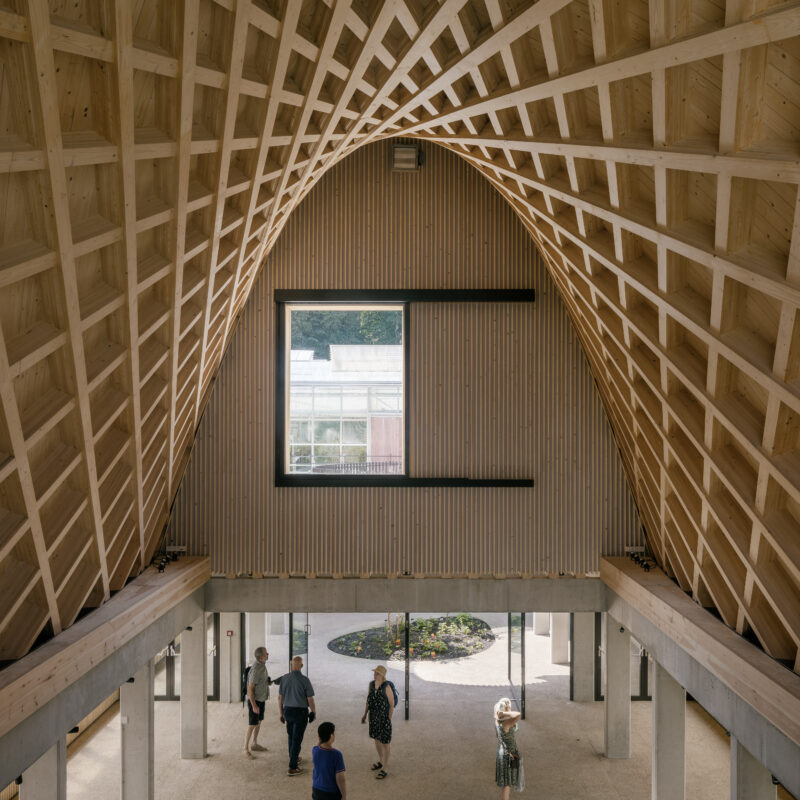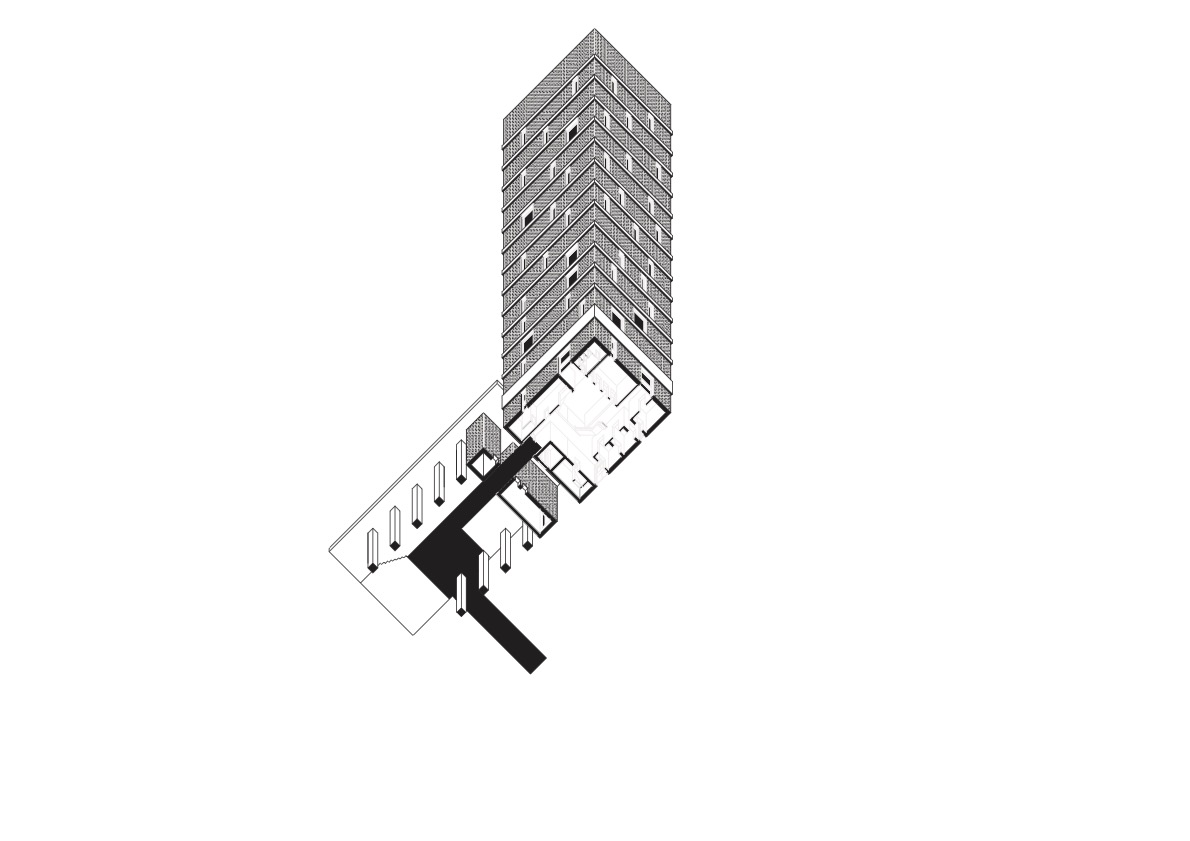
On 20 December 2020, the annual Euregional Architecture Prize (EAP) was awarded for the thirtieth time, with Belgium emerging as the clear winner. The EAP is an initiative of the Dutch Schunck Cultural Centre in Heerlen, and is awarded to the best final-year projects from the architecture programmes in Hasselt, Liège, Maastricht and Aachen. To mark this anniversary edition, Eindhoven University of Technology was invited to participate as a guest university.
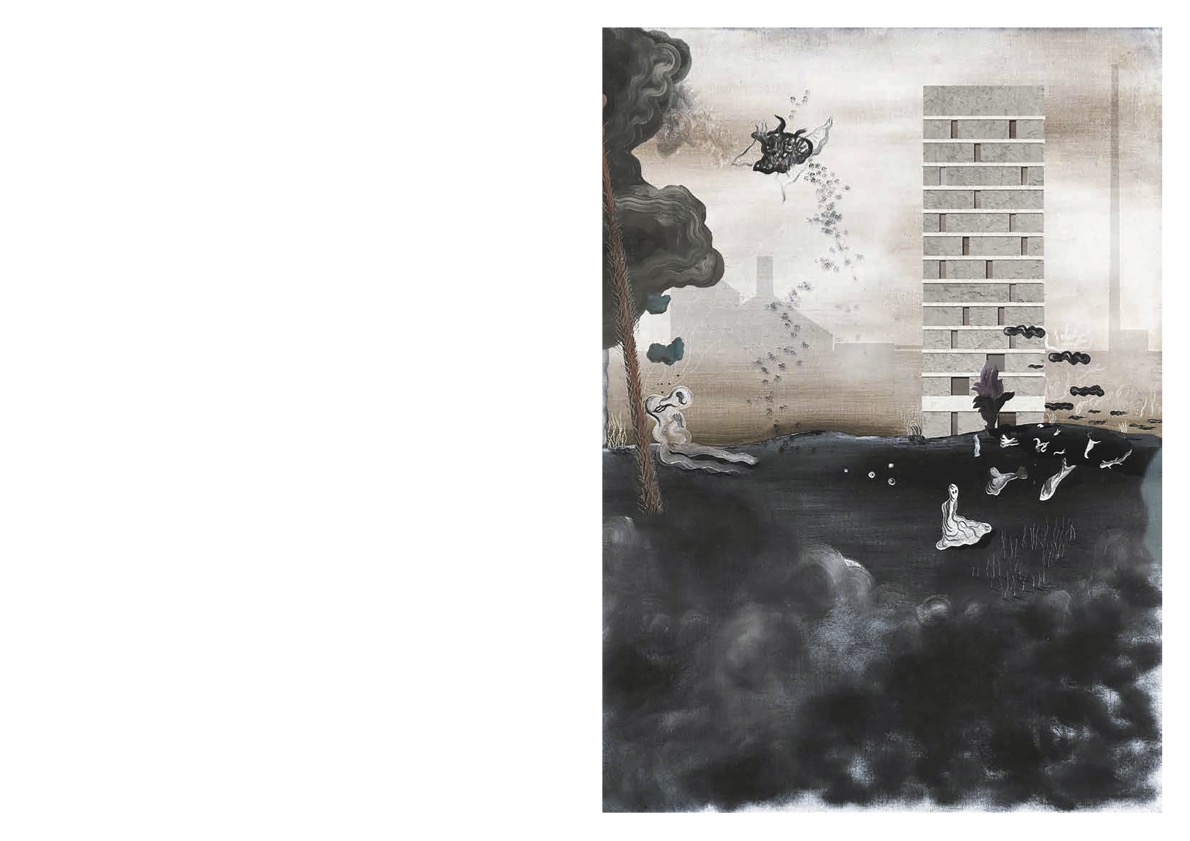
Kurvantai Zaitov (UHasselt) took first prize with the project ‘The Ritual Theatre’. In a former quarry, the student designed a new kind of cemetery comprising various chambers, each dealing with death and mourning in its own way. As these rooms are stacked vertically and interconnected by complex passageways, each individual funeral ceremony can be conducted differently through specific spaces, following a chosen sequence. All manner of funeral ceremonies are addressed, from exotic rituals to more Western, recent ones. “The way in which these rituals have been translated into architecture,” said the jury, “demonstrates the author’s keen awareness and poetic talent for capturing death, and raises the question of how we can properly integrate death into our daily lives.”
Second prize went to Elise Mullens (ULiège) for her project ‘Social Dwelling in Fléron’. She breathes new life into an existing social housing block by adding a new upper floor, a passageway and terraces. Through a clever combination of different sizes and housing types interspersed with communal spaces on every floor of the building, she provides a solution to an urgent European issue: the reuse and energy-efficient renovation of social housing in an architecturally valuable way. Because the author has chosen a repetitive and common type of terraced house for her intervention, the design strategy can be applied to many other locations and in many other projects. The jury: “This work is proof of a remarkable ability to produce refined architecture with very few resources. The quality of the presentation material and the student’s social sensitivity point to a high degree of mastery.”