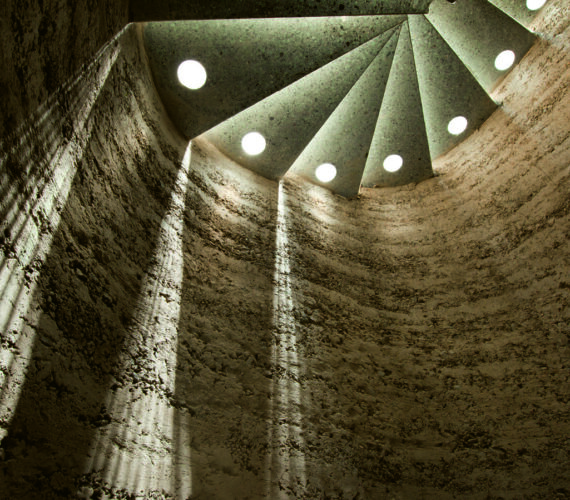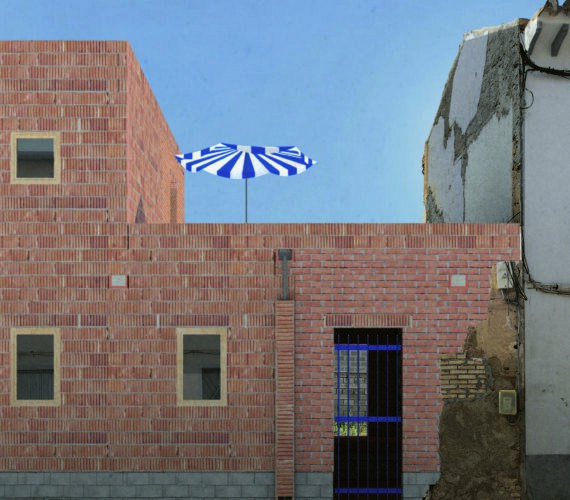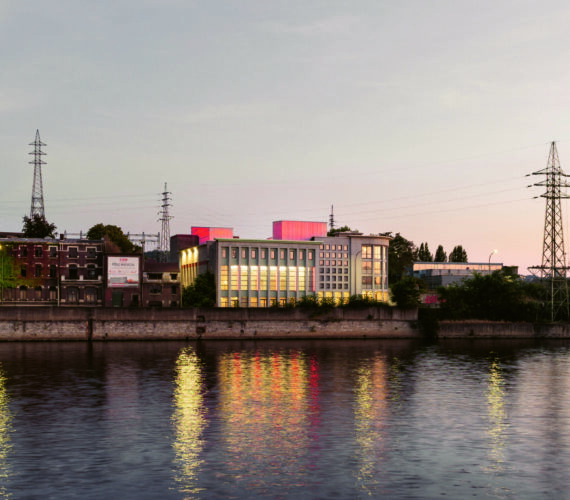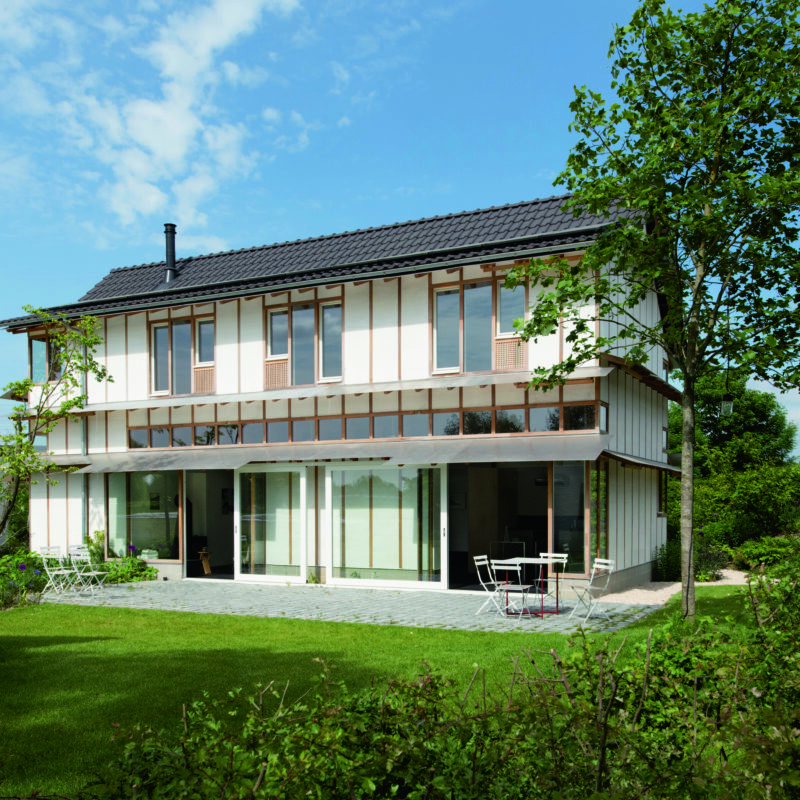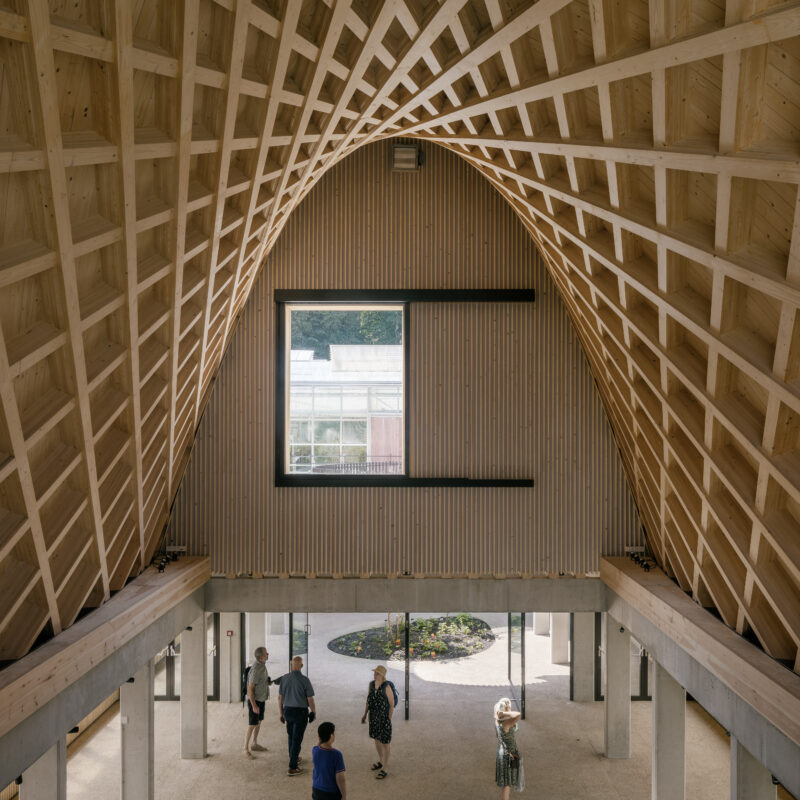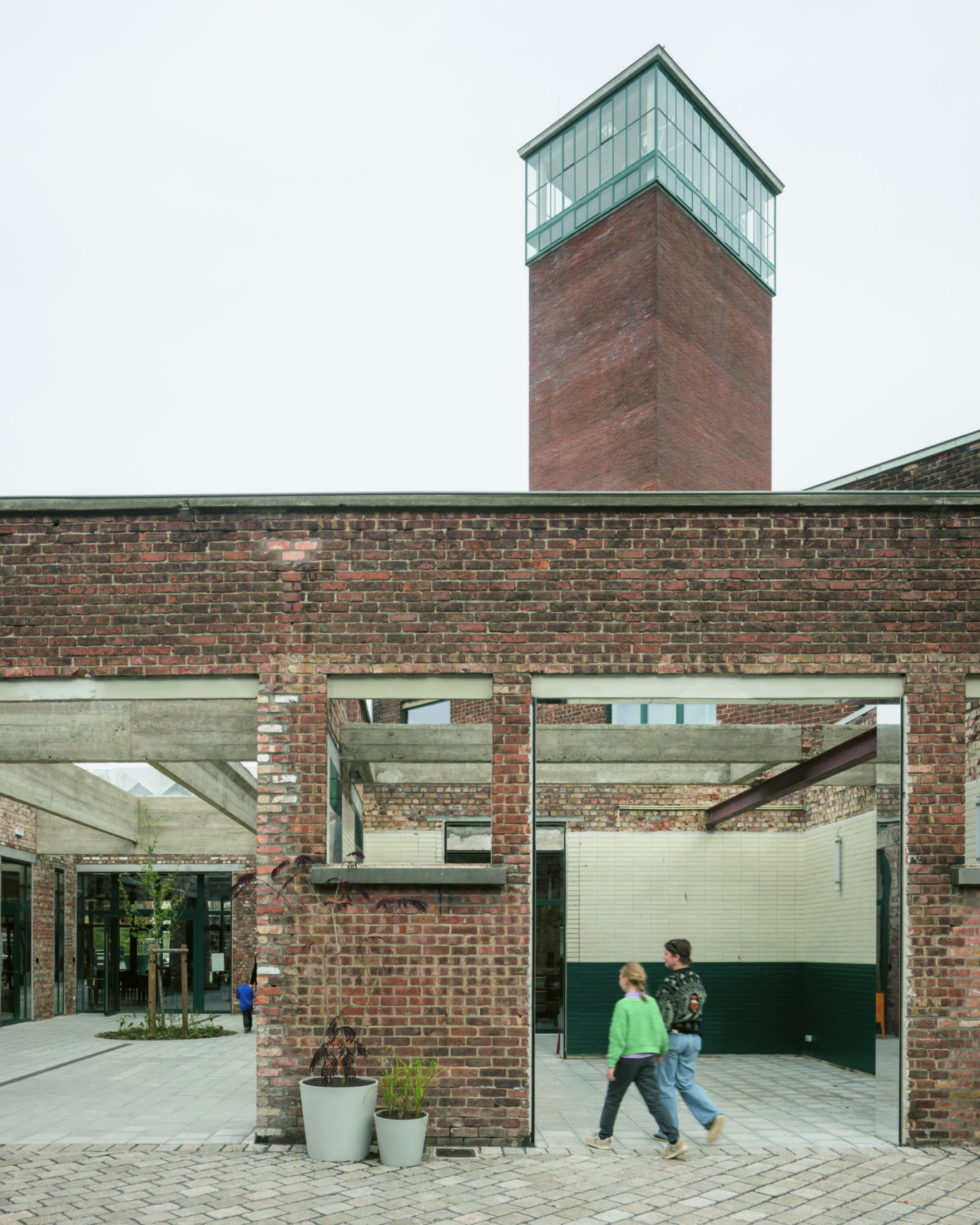
A wave of new or renovated museums and theatres, prime examples of what we mean by ‘cultural infrastructure’, but which also includes libraries and concert halls, seems to be unfolding today. The number of recent projects and projects in the pipeline is too numerous to count: the restoration of the KMSKA (Kaan Architects) and the ‘infrastructure leap’ of the MuHKA in Antwerp, the ‘de-duplication’ of the SMAK (51N4E and NU) and a new wing of the Design Museum (Atama) in Ghent, brand new theatres in Louvain-la-Neuve (Ouest) and in Leuven (Sergison Bates Architects), the renovations of the Museum of Fine Arts (XDGA and Barbara Van der Wee) and the Maison de la Culture (A Practice) in Tournai, the new Beer Museum in the old Stock Exchange building (Robbrecht and Daem) and the prestigious Kanal Pompidou (noA – Sergison Bates – EM2N) in Brussels, which will open its doors in 2025. So there is no shortage of construction activity in the cultural sector. And this urge to invest seems to go hand in hand with a search for what the current social role of a cultural building could be.
Questioning and challenging the function of a museum – and, by extension, any cultural infrastructure – is not new. In the 20th century, art and culture underwent an identity crisis, and so did their appropriated spaces. ‘The day is not far off, I fear, when spectators will flock through the halls, wearing caps and waving flags, and sing their club song at the top of their voices in front of their favourite painting. In 1987, Rudi Fuchs, Dutch art historian and then director of the Stedelijk Museum in Amsterdam, lamented that museums were in danger of degenerating from pure places of presentation and contemplation into ‘experience centres’, as accessible as possible, for as broad and international an audience as possible. Cuts in arts and culture funding continue to force museums and theatres to focus on increasing visitor numbers through larger blockbuster exhibitions and performances.