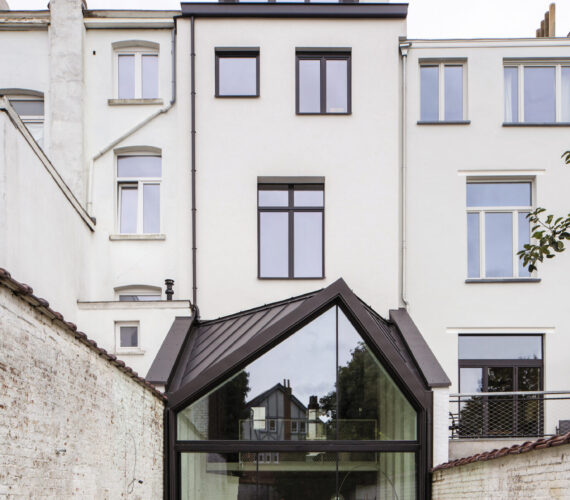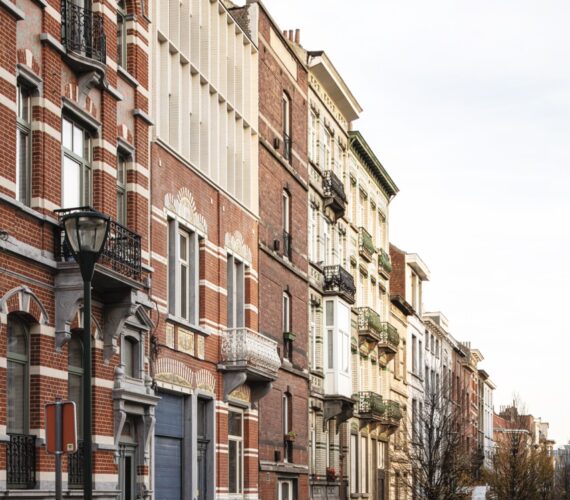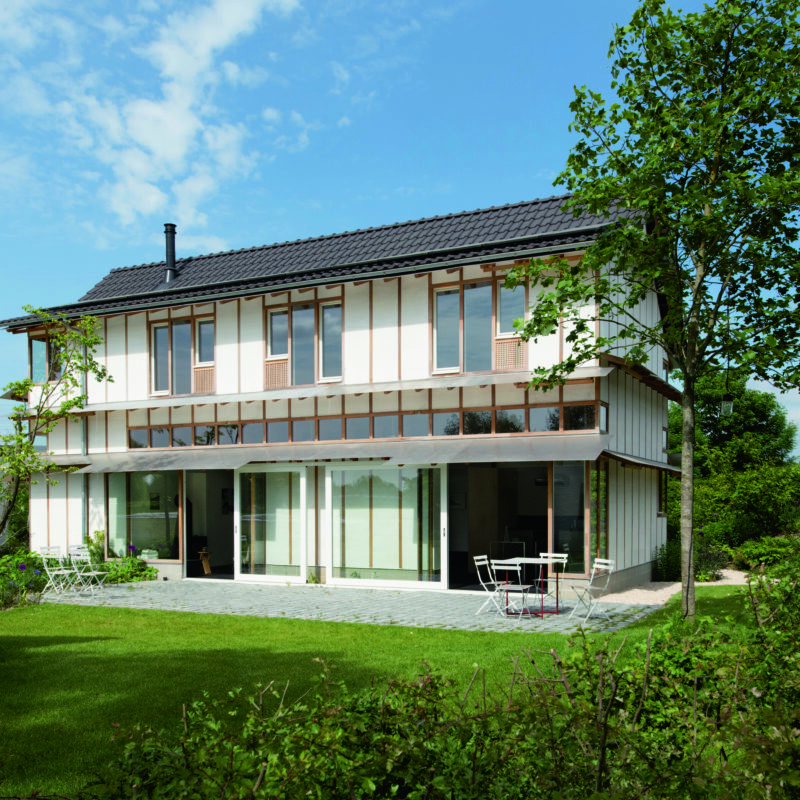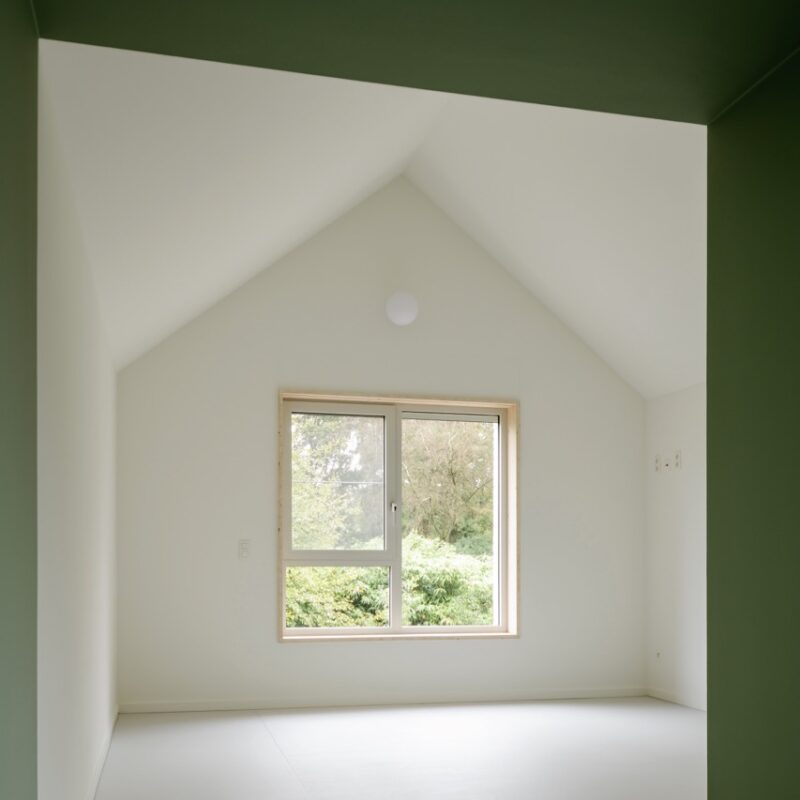
After exactly eleven months of pandemic, it is difficult to talk about a new start, put good intentions into practice and dive into the new year unburdened. We want to look ahead with hope, but ultimately remain cautious, looking back over our shoulders. This is how we detect trends, the evolution of the virus, the development of variants, the impact on our physical and mental well-being, and the consequences for citizens’ living, working, and consumer behaviour. Living in particular is under pressure during lockdown. Since March 2020, our homes have suddenly become the place where all aspects of daily life have to take place. In addition to being a place to sleep, today’s home is also an office, school, café, sports centre, theatre, cinema, restaurant or (virtual) holiday destination. This has obviously had an impact on the housing market. More than ever, people are longing for what we usually refer to as quality of life: light, a view, an extra bedroom and access to a usable outdoor space. Houses with gardens are more popular than ever, and the demand for parks and high-quality public spaces in cities is growing.
Does coronavirus spell the definitive end of city living? Will suburbanisation prevail after all? I don’t think so. The housing issue is more complex than the outdated dichotomy between city and countryside. It is closely intertwined with affordability, mobility, proximity to amenities and sustainable comfort. Nevertheless, coronavirus has put the spotlight on the shortage of adequate housing in Belgium, thus making the dream of home ownership explicit.