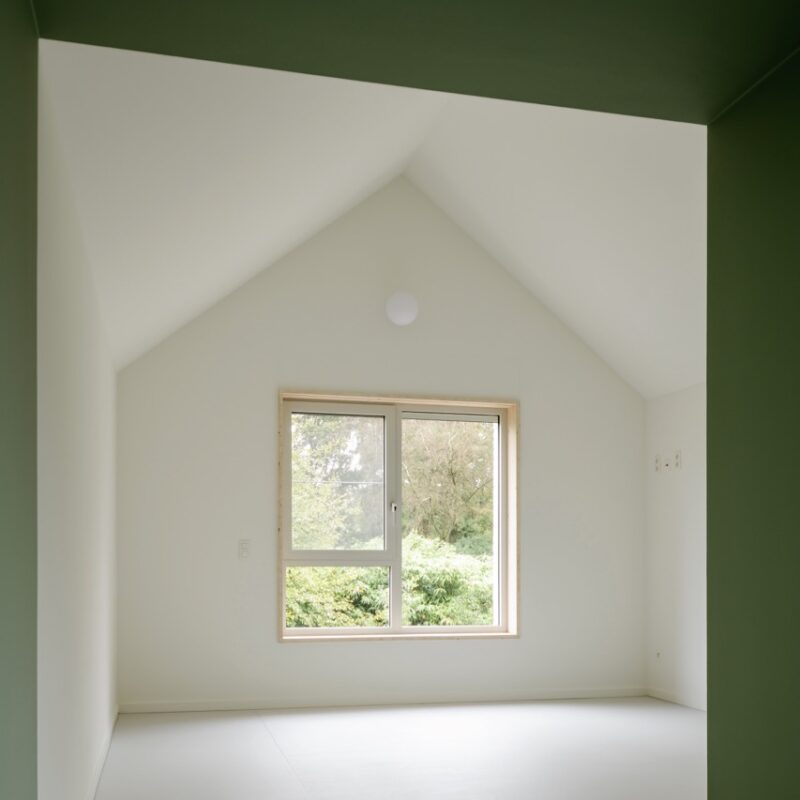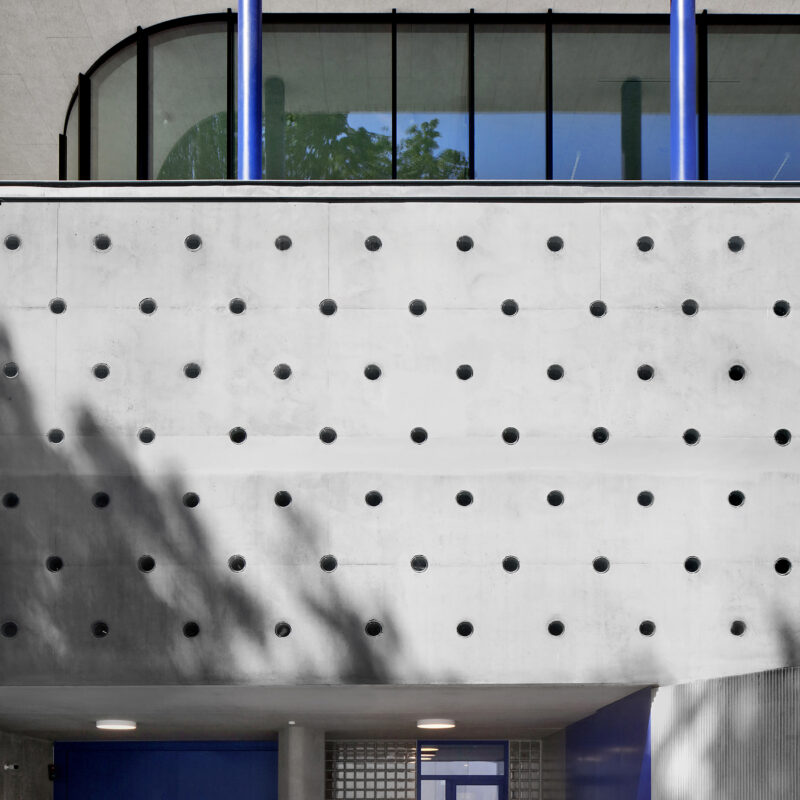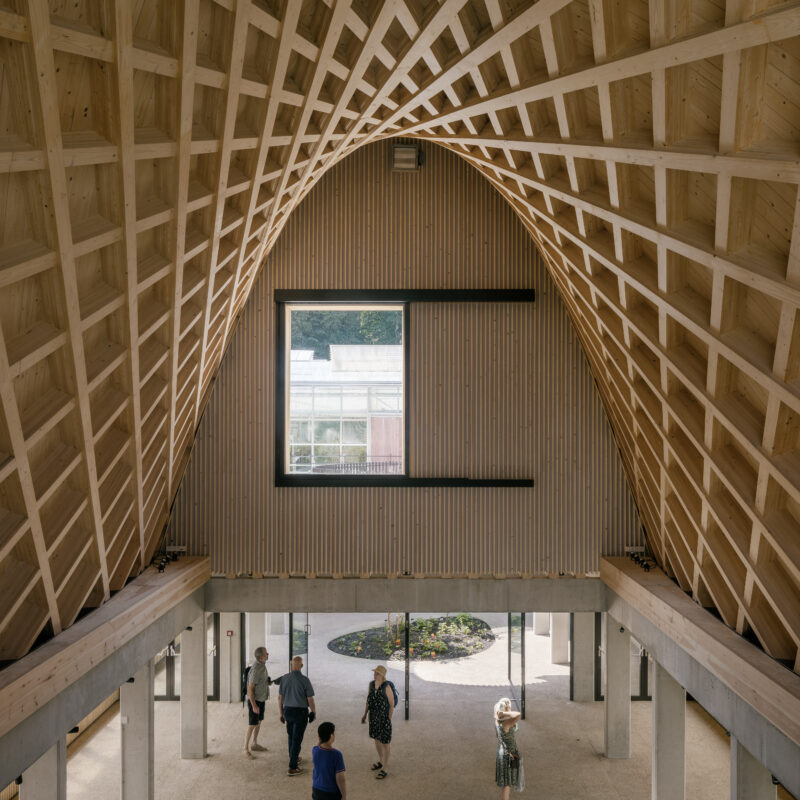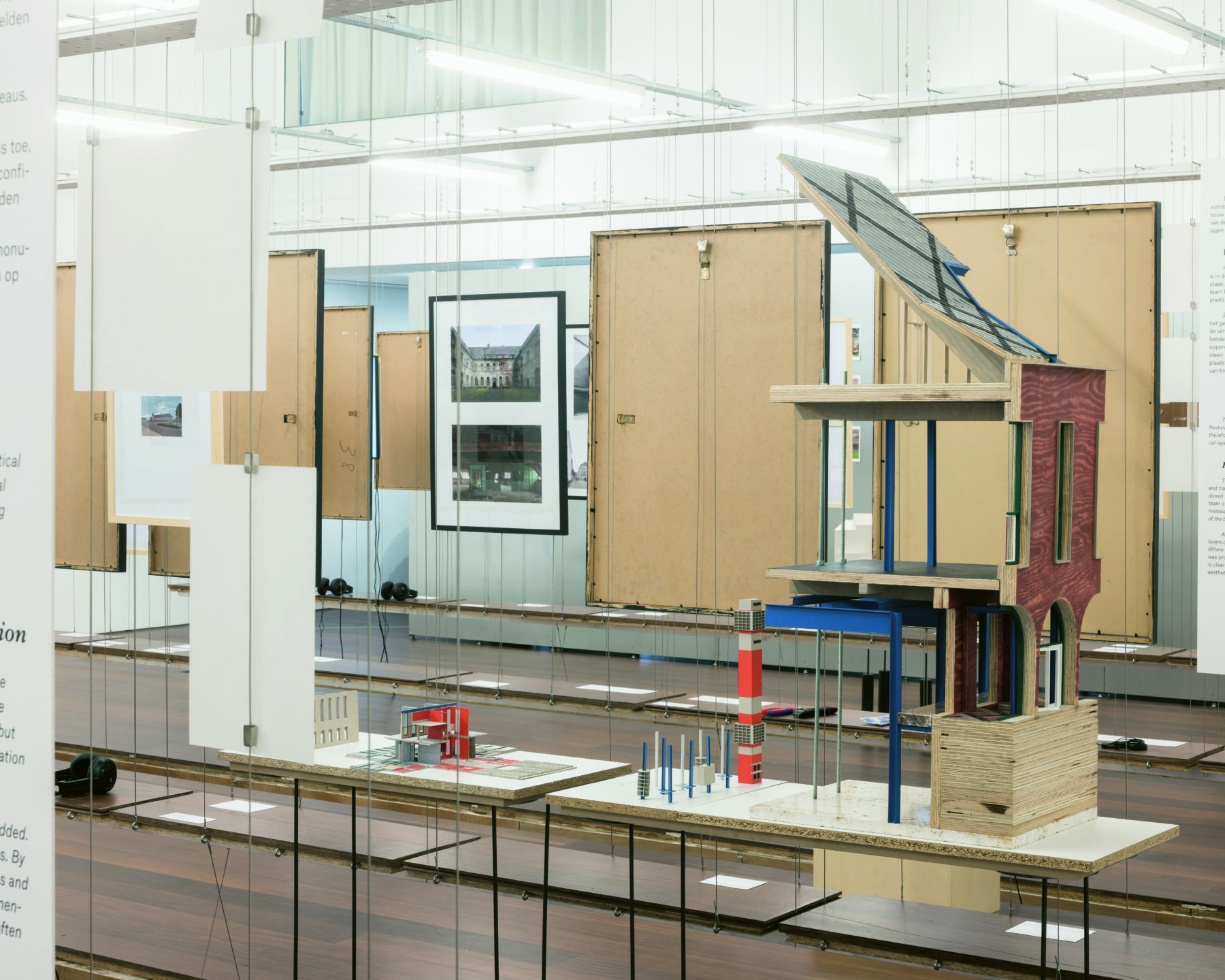
The reuse and repurposing of buildings play a key role in addressing social inclusion and climate transition and are therefore the most topical theme in current architectural discourse. The Flemish Architecture Institute selected seven examples of ‘found architecture’ and revealed the experiment behind each of the projects in an exhibition and a book.
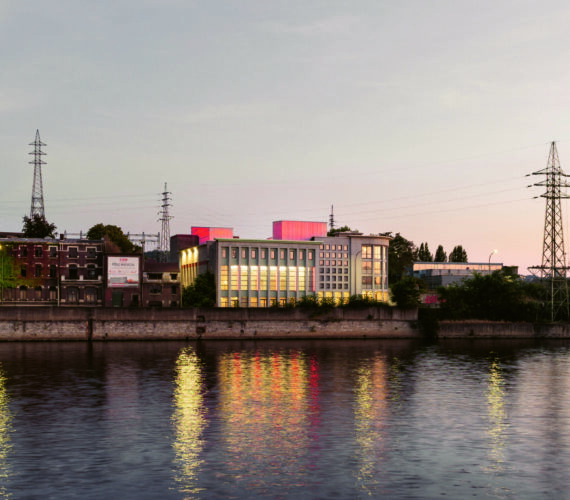
‘What do we want to keep? What can be removed?’ These are the basic questions for any transformation project. The answer is guided by various motives: from sustainability ambitions and spatial potential to heritage issues and concerns about the collective memory of the place. The curators selected seven projects from Flanders and Brussels that relate to these motivations in different ways and exposed the spatial theme behind each transformation. These include old acquaintances, such as the renovation and extension of Het Steen in Antwerp by noArchitecten, which received extensive press coverage two years ago, even before it was completed. Henry van de Velde’s University Library in Ghent, restored and expanded by Robbrecht and Daem Architects, is also featured again, this time in dialogue with the State Archives, which was built in the same neighbourhood. But the selection also includes surprises, such as Eagles of Architecture’s project for Mortsel Town Hall, which is still under construction, and Chapex, the monumental cultural and conference centre in Charleroi, a collaboration between architects Jan De Vylder Inge Vinck and AgwA, two projects that have us eagerly awaiting their completion. An outsider in the series is the open-air depot of the Kunst in de Stad (Art in the City) collection at the Middelheim Museum in Antwerp. Architect Asli Çiçek designed new storylines and an interesting relationship with the public space by reconfiguring the sculptures in the sculpture garden.