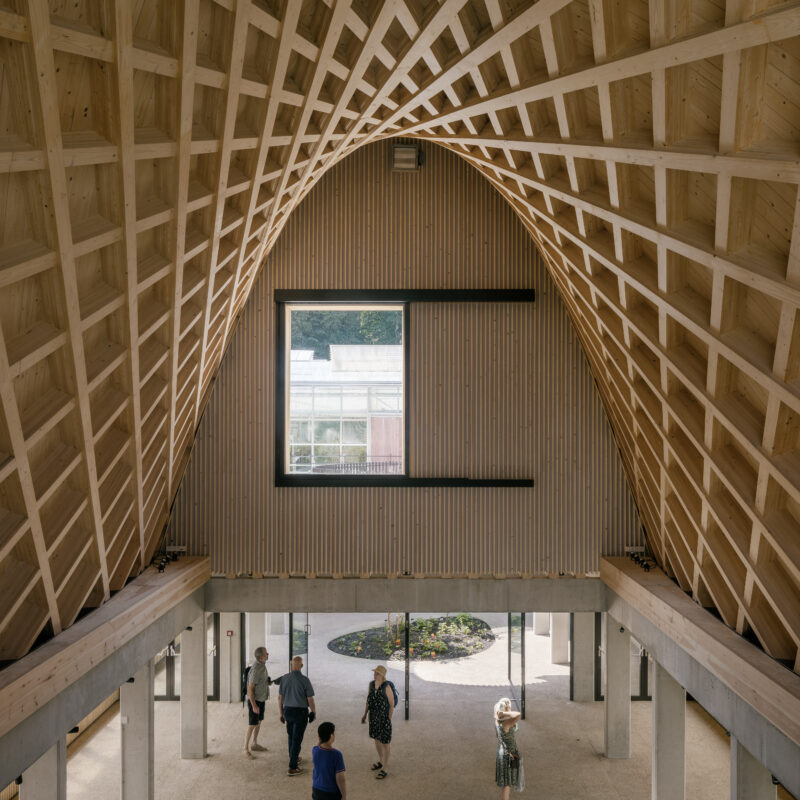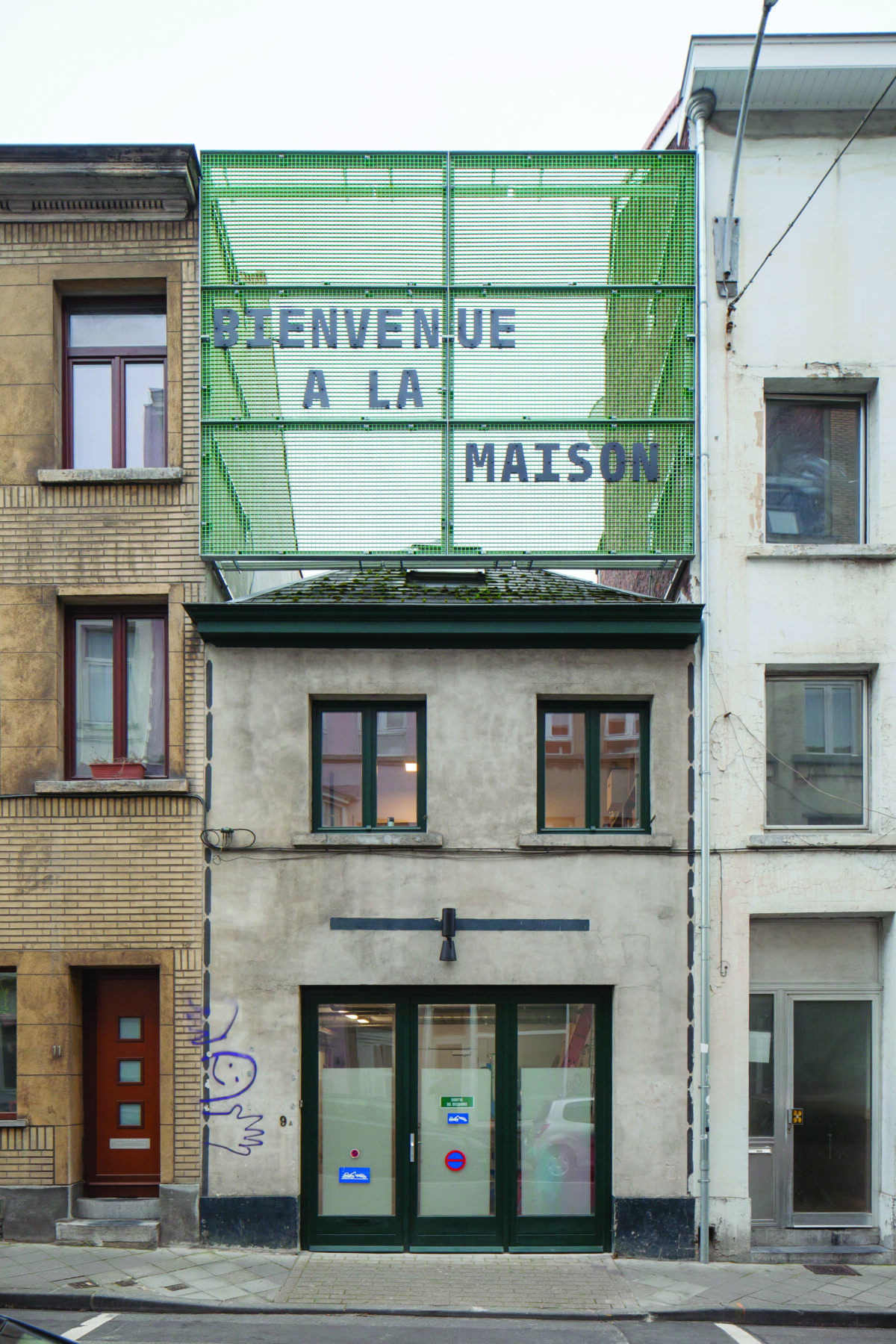
It’s a fact of life in our profession: it’s when the architects leave the stage that the buildings come to life. This morning at the Théâtre du Rideau, a meeting is taking place in the bar, the office staff is at work, and the sound of hammering is coming from backstage. Later in the week, after the premiere of the upcoming show, a school group will visit one morning, the outreach staff will go out into the neighbourhood. Then the dressing rooms will be tidied up and the costumes will be sent for cleaning. A busy schedule where no two days are the same and one that is punctuated by the temporalities of theatrical creation. A meeting with a theatre that sees itself as ‘a reminder of home’ and that itself seems to feel right at home.
A humane, serene and joyful atmosphere reigns at the Rideau, and throughout my visit I tell myself, There’s a good vibe to this place. Raymond Delepierre, the theatre’s technical director, is my guide. When he tells the story of the Rideau, from its emergence in 1943 to its establishment on Rue Goffart, one cannot help but be struck by the benevolence that has marked this long journey made up of artistic reinventions and moves – and meetings, too: the theatres that hosted the Rideau during its nomadic period, the municipality of Elsene/Ixelles that welcomed the theatre on its territory in 2014, the Wallonia-Brussels Federation with the financial support of its Cultural Infrastructures department, and the involvement of its Cellule architecture, which monitored the architectural competition in the same breath … All these partners have not only provided support, but have also remained faithful to the theatre. This is a theatre that knows how to make itself loved. There is nothing ironic about this statement: it is a reality, an obvious quality, which was not built in a day.