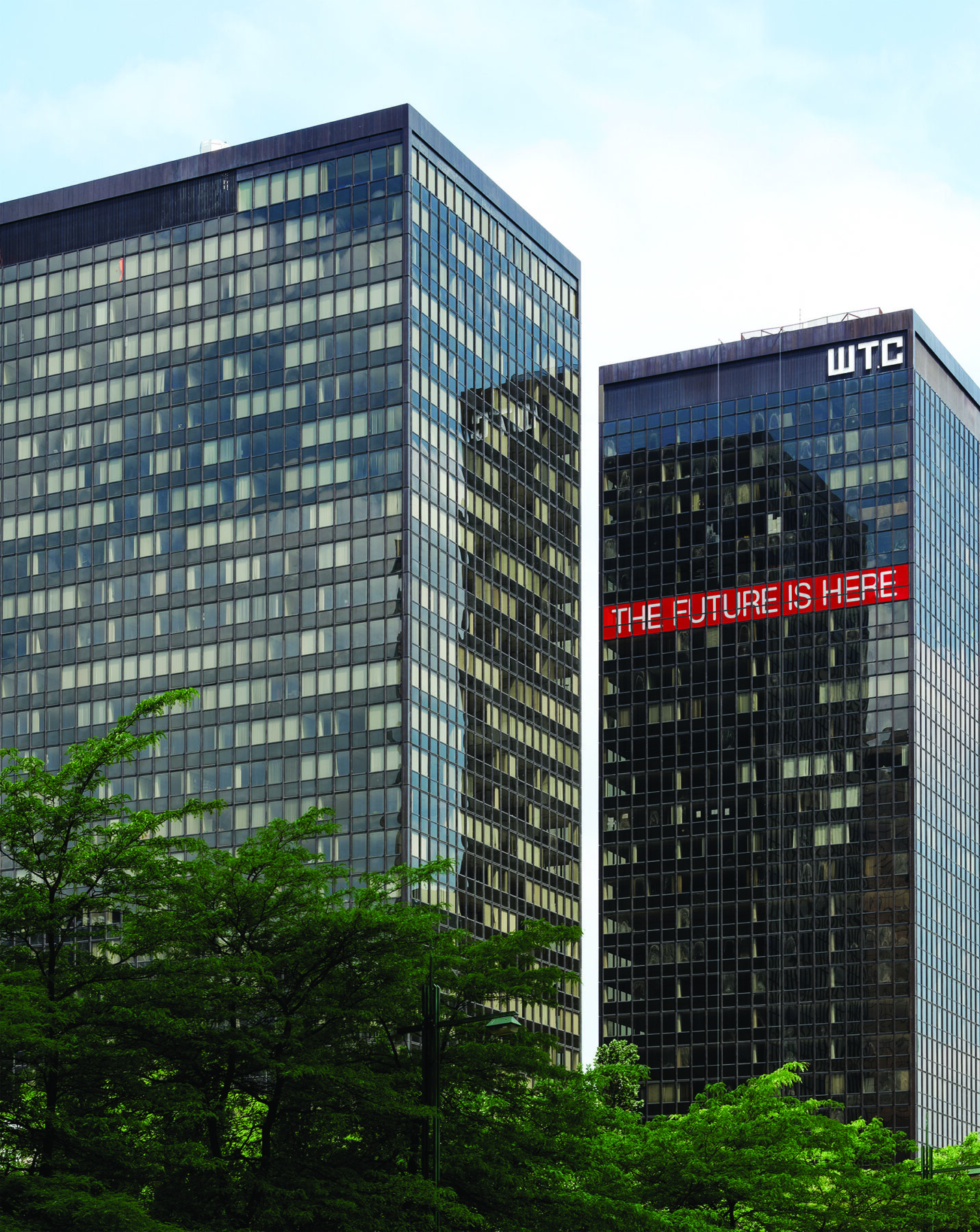
As the capital city, Brussels acts as a magnifying mirror for Belgium’s urban planning culture. Historically, this culture has been marked by the deliberate absence of the authorities from significant, direct investment in buildings. Public action mainly supports real estate developments indirectly, without seeking to coordinate them, via infrastructure (railways, roads), major facilities and, to a lesser extent, social housing.
Very early on, the Belgian state established a legal framework to stimulate private action in urban development. Until the mid-19th century, only public infrastructure could be expropriated in order to transform existing neighbourhoods or develop new ones. Two laws, in 1858 and 1867, allowed the public authorities to include adjacent land in the operation in order to recover the added value of the developments. As the initial investment is colossal – the acquisition of a large number of plots of land – and in order to limit the burden on public finances, the legislation also provides for the possibility of delegating operations to a third party, a private actor. This principle remains valid today. It places one type of actor at the centre of urban transformation: the property developer.