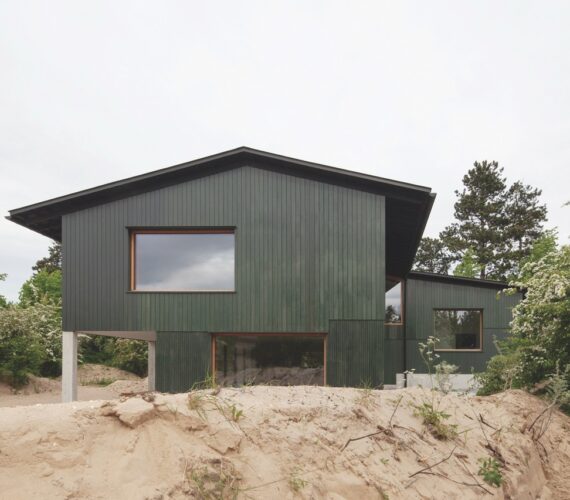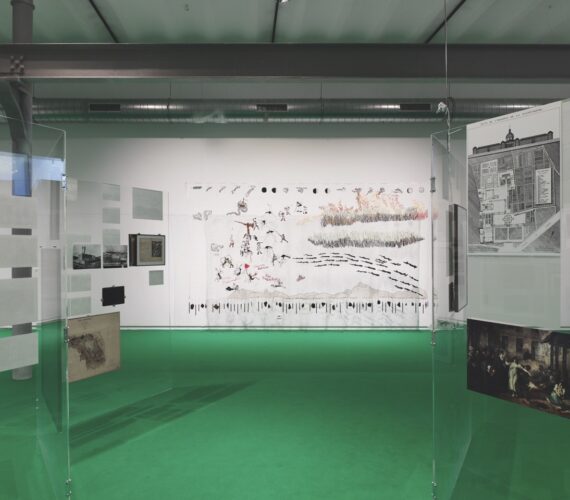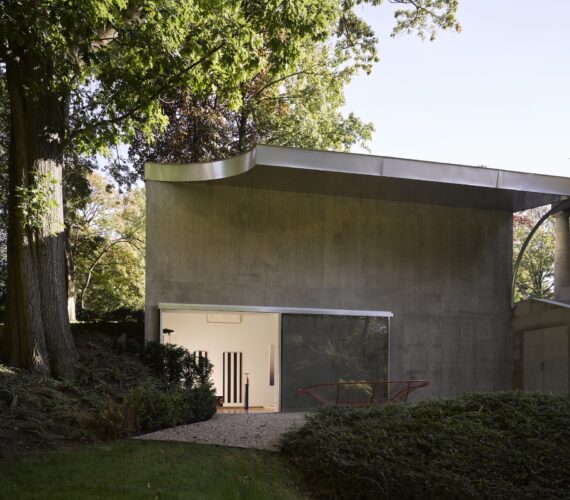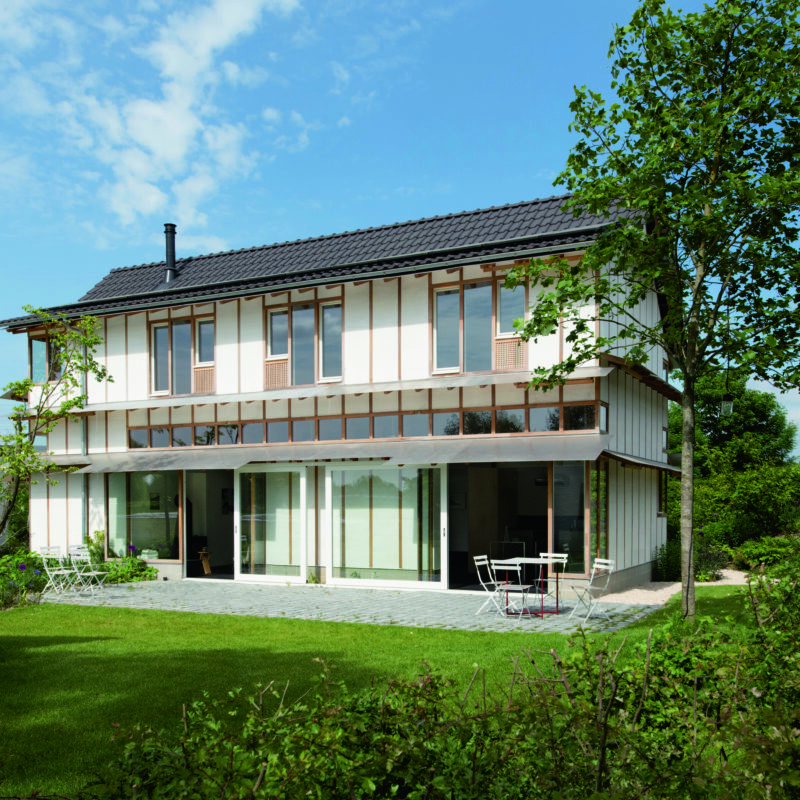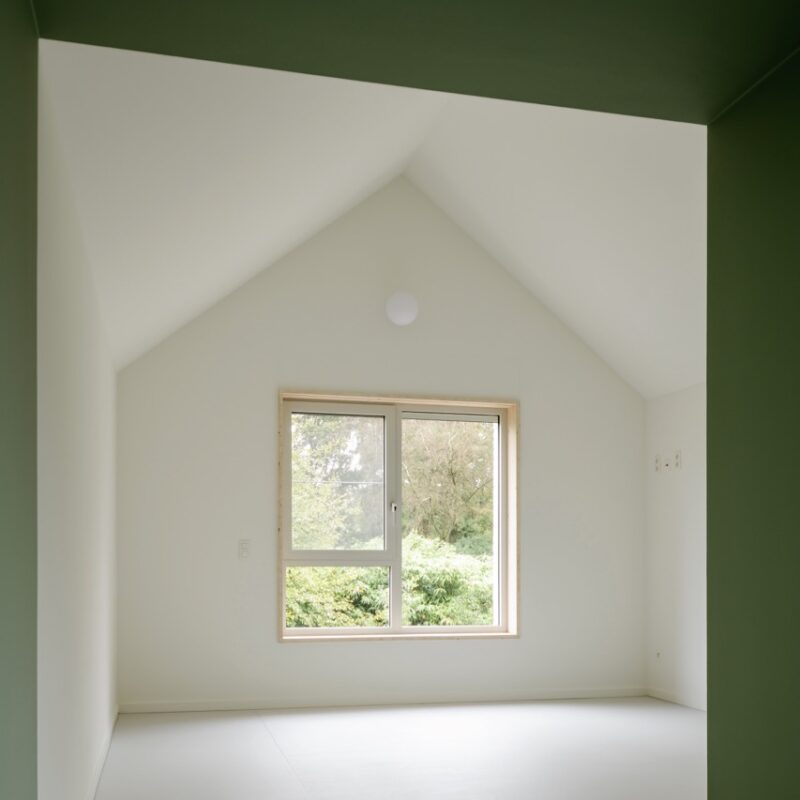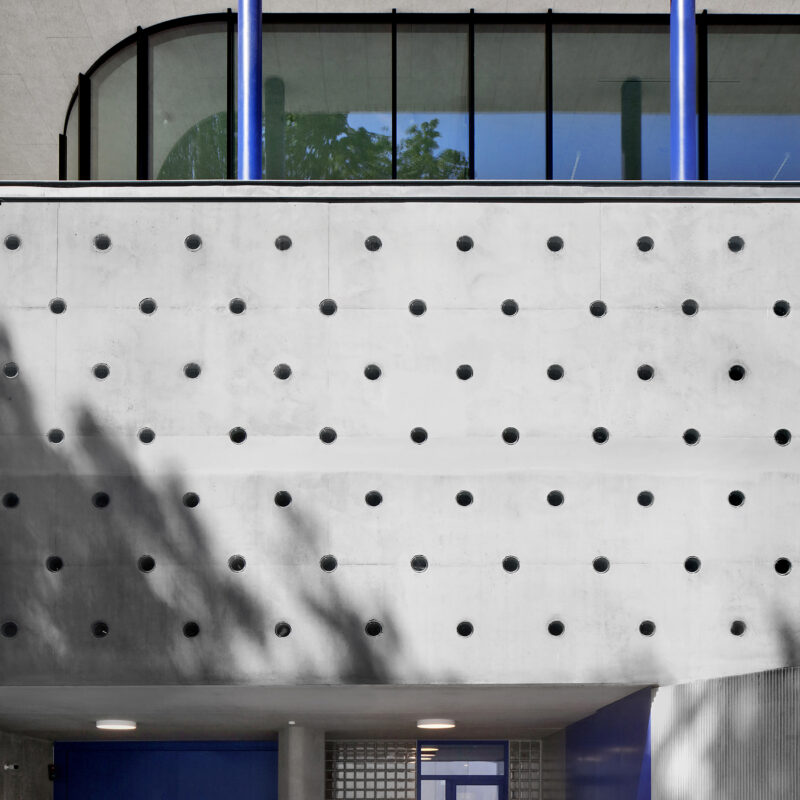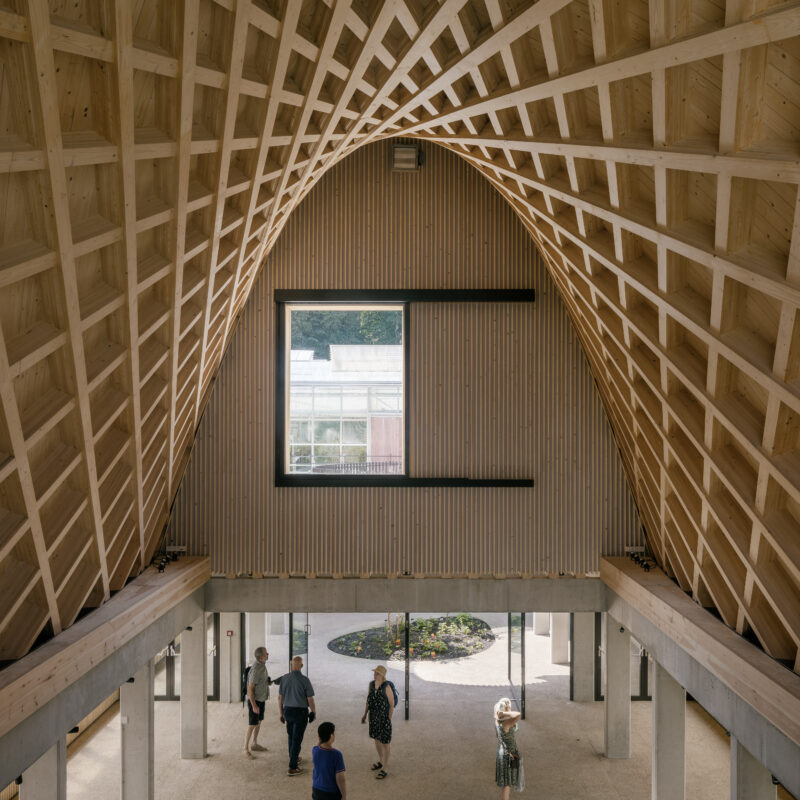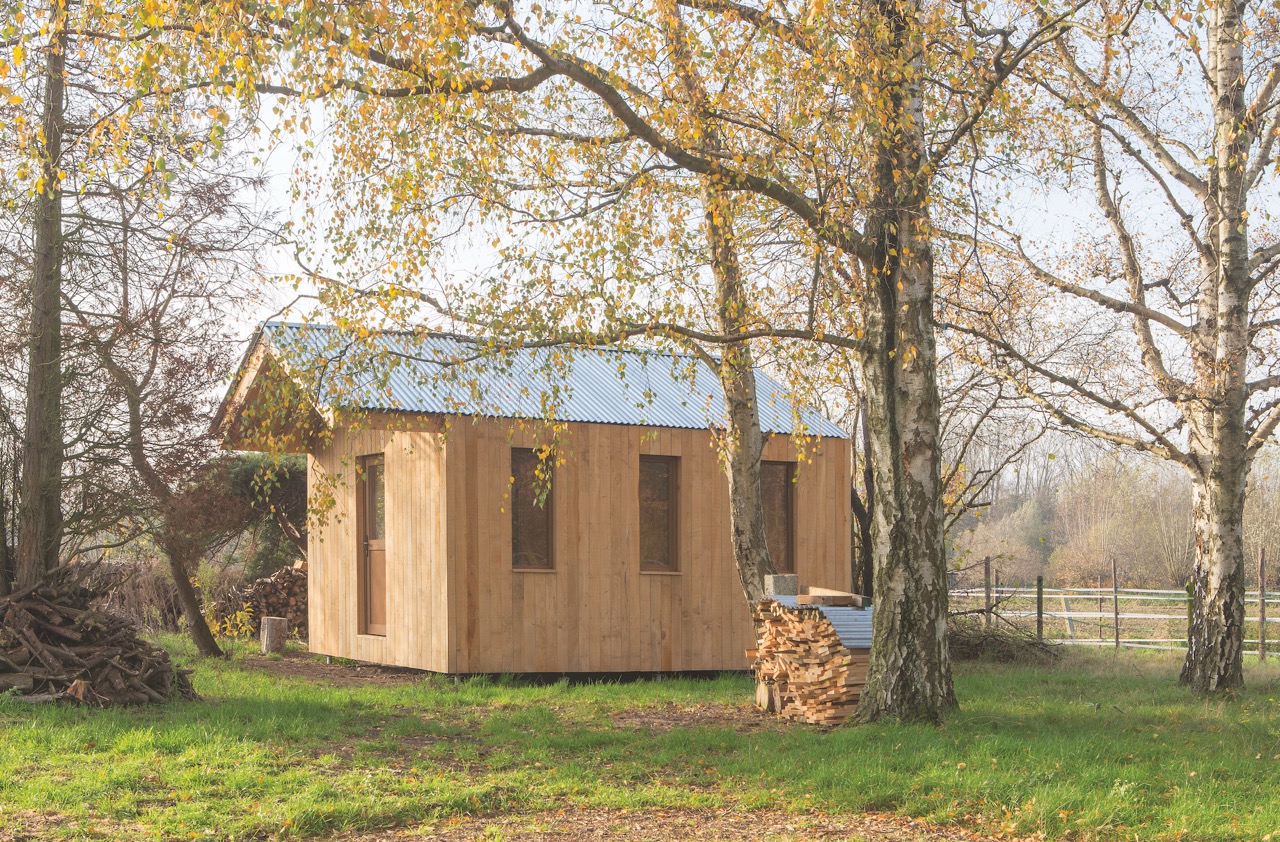
The four projects featured in this article reflect people’s desire to slow down, retreat, and find peace in nature. Four young design practices have translated this desire into spatial form: Atelier Scheldeman designed and built a cabin; atelier vík, a garden room; Gestalt architects, an office space set within the landscape; and Nwlnd, a refuge. Although the physical form of the structures varies greatly, they are united in the way they provide a precise response to the clients’ longing for a homely cocoon within the landscape.
In 1755, Marc-Antoine Laugier published the second edition of Essai sur l’Architecture. Laugier advocated a return to simplicity in architecture, with the primitive hut as the ideal. In Essai sur l’Architecture, he demonstrates that a building arises from the human instinct to protect oneself. The primitive hut acts as a mediator between man and nature, and forms the ahistorical basis of all architecture: “La petite cabane rustique que je viens de décrire, est le modèle sur lequel on a imaginé toutes les magnificences de l’Architecture.” The primitive hut secured a place in architectural theory (as an archetype) and in the human imagination (as a cultural construct).