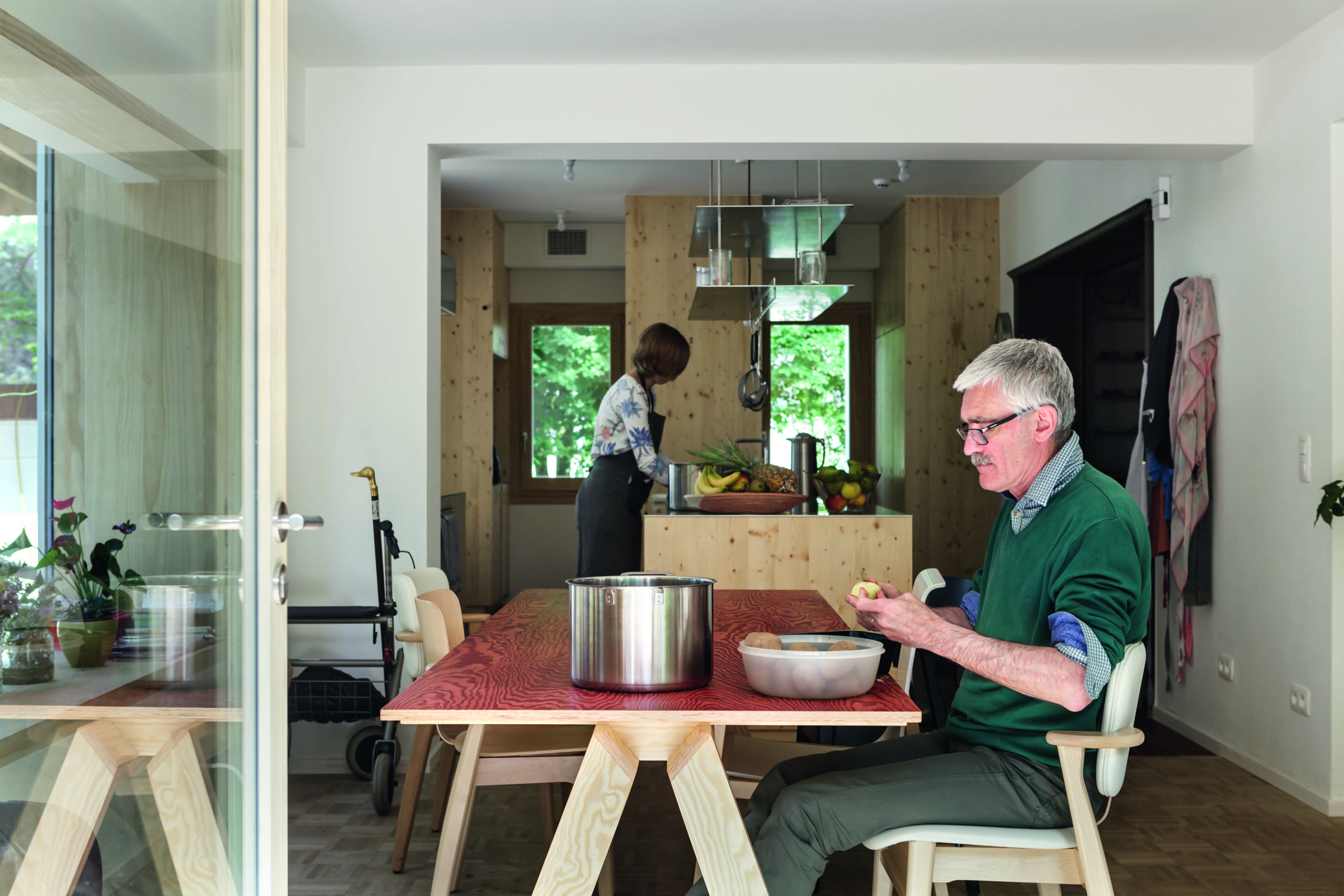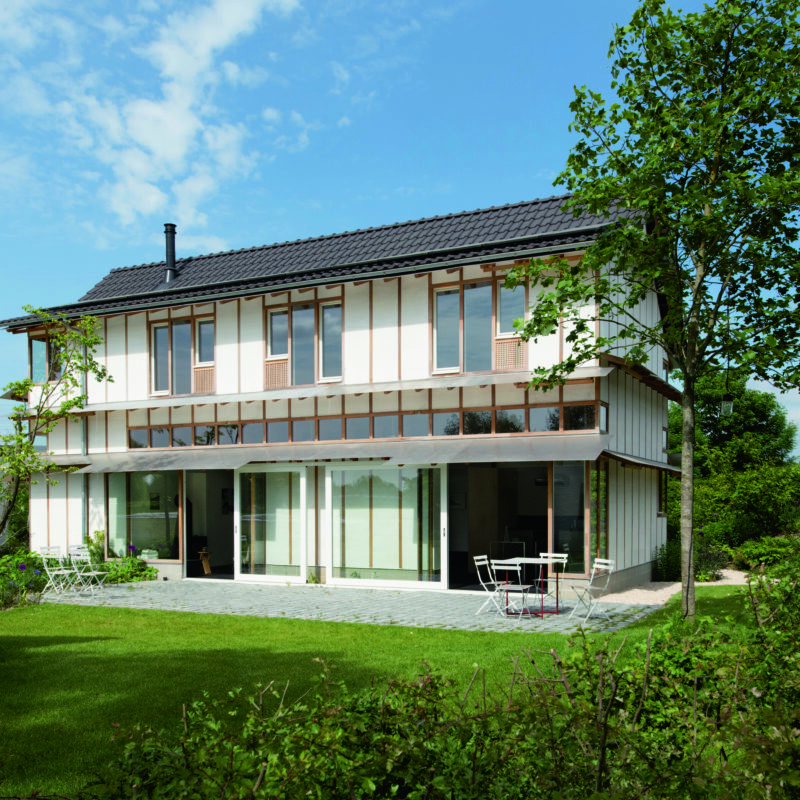
‘Inclusivity’ is a buzzword. You hear it just as often as ‘sustainability’. It also has something in common with it: it is government discourse responding to social changes. In 1987, the United Nations put forward sustainable development as an ideal for the future after the collapse of the major ideologies of the 20th century. It sounded good, but remained vague enough to allow for many interpretations. Similarly, in 2010, inclusivity became an EU objective in response to growing inequality and claims from disadvantaged groups. The definition is equally broad, or vague: ‘people facing poverty and social exclusion must be supported to live in dignity and participate actively in society’. What challenges does this pose for architects?
In his essay The EU’s social and urban policies from the perspective of inclusion, Antoine Printz argues that the call for ‘inclusion’ is a consequence of the ‘exclusion’ of people who are unable to participate fully in society due to pathological desocialisation or life risks. The list is long: people with addiction problems, single-parent families, the uneducated, Roma, and so on. The question of how people ended up in a position of exclusion is left aside. The focus is on how to integrate them into the economy with dignity. Printz exposes this strategy as Kurieren am Symptom: it ignores the social causes of exclusion.