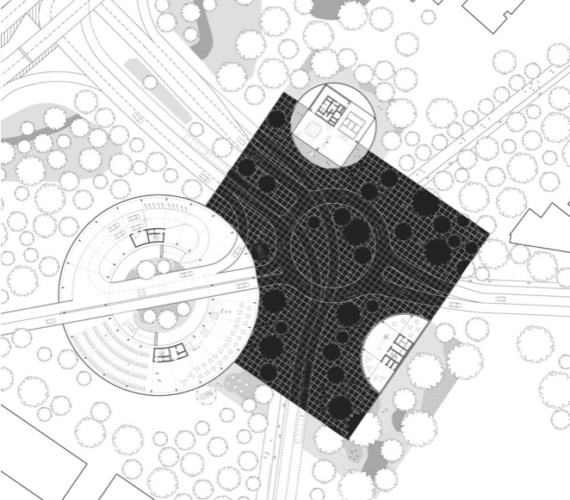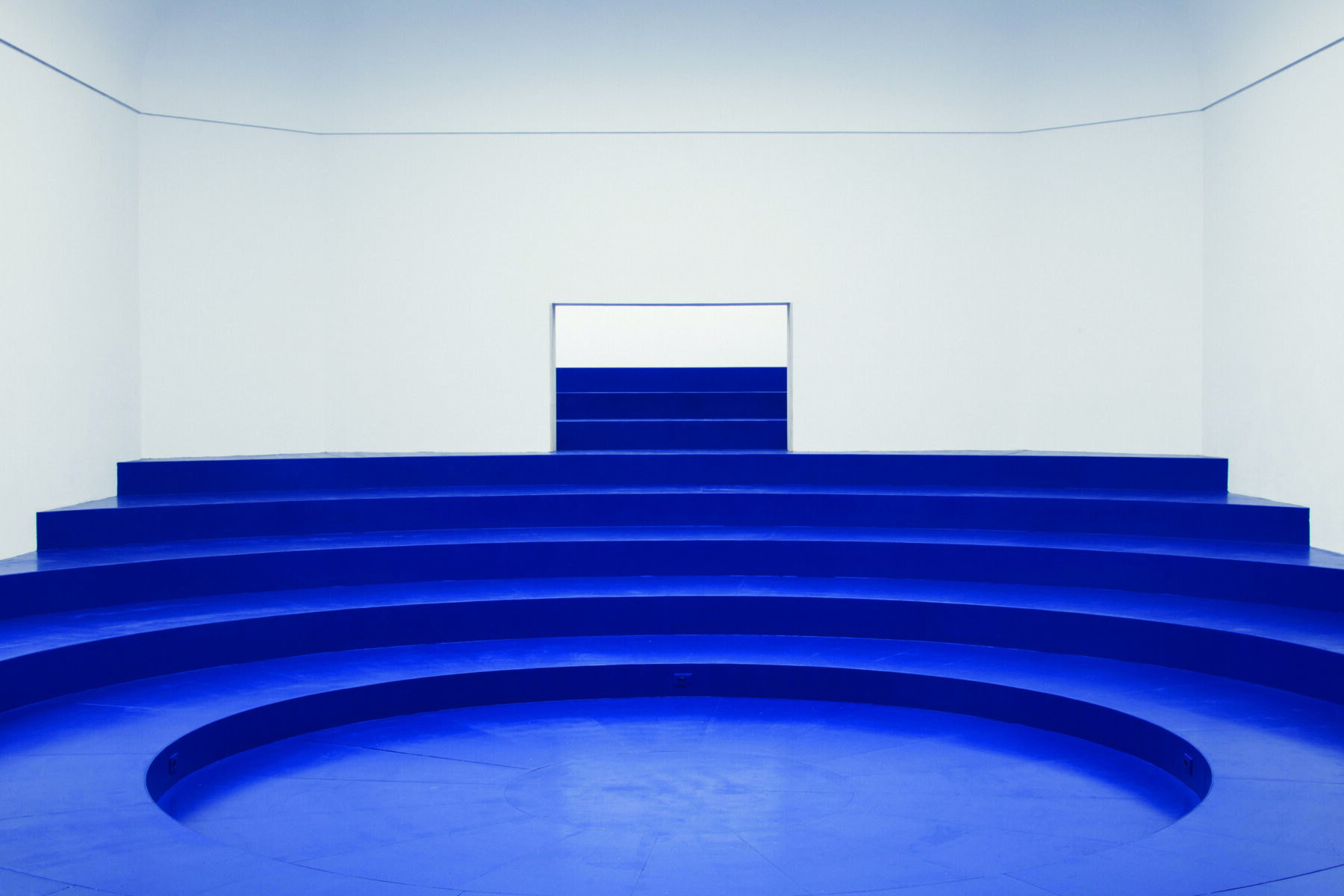
Exploring the architectural fascination with circular shapes in the context of a publication on circularity might seem teasing, even facetious. However, this parallel invites us to question the relationships between geometry, spatial organisation and virtuous economic models.
As in many other areas of the economy, the term “circularity” applied to the construction industry refers to a production model in which materials and products retain their value and are reused or recycled at different stages of the production cycle. In its ideal, perfectly circular form, waste is eliminated, the extraction of new resources becomes unnecessary, and the system is self-sustaining by incorporating its own waste.