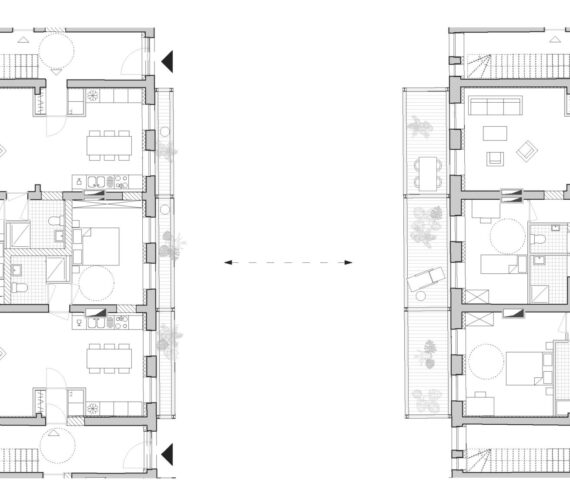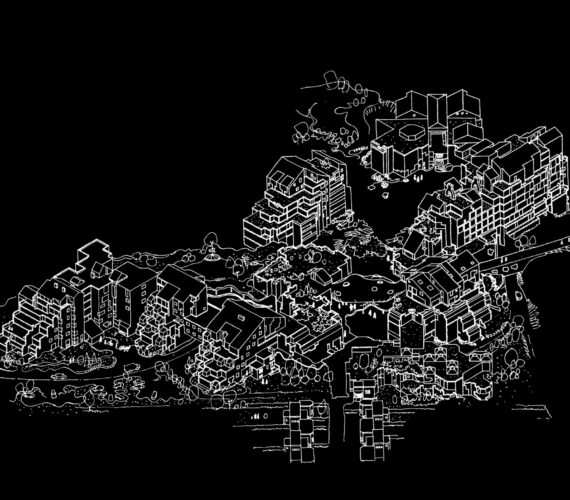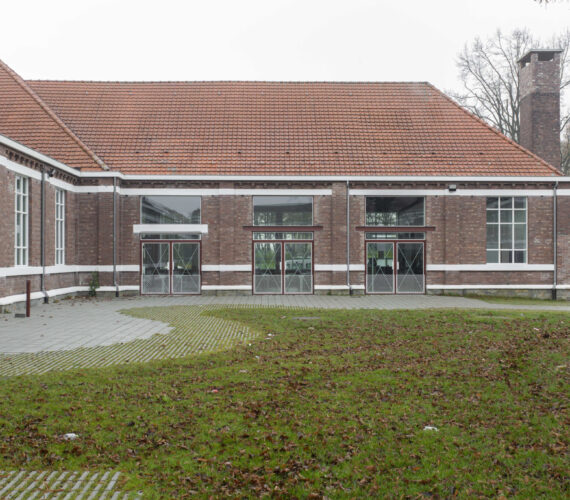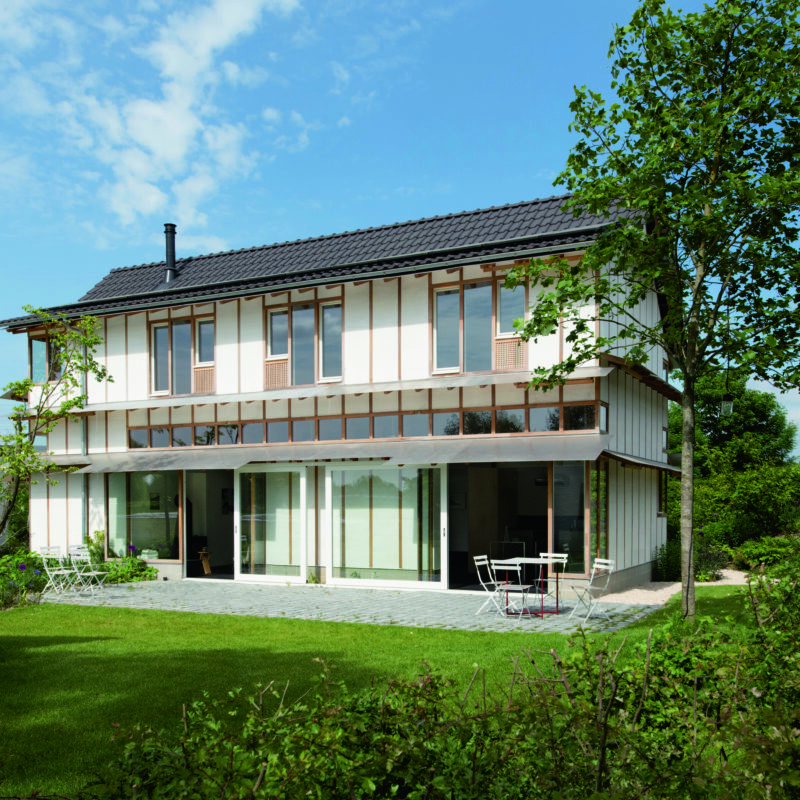
We have become increasingly accustomed to comfort. Advances in building technology ensure that the indoor climate remains at a constant temperature all year round, that air quality is optimal, and that there is always sufficient natural or artificial light for working. We safeguard this comfort through standards and regulations. The complexity of our structures, details and the proportion of technical systems have increased spectacularly over recent decades. The scarcity of raw materials and high energy costs are forcing us to question this seemingly acquired right or to seek alternative strategies.
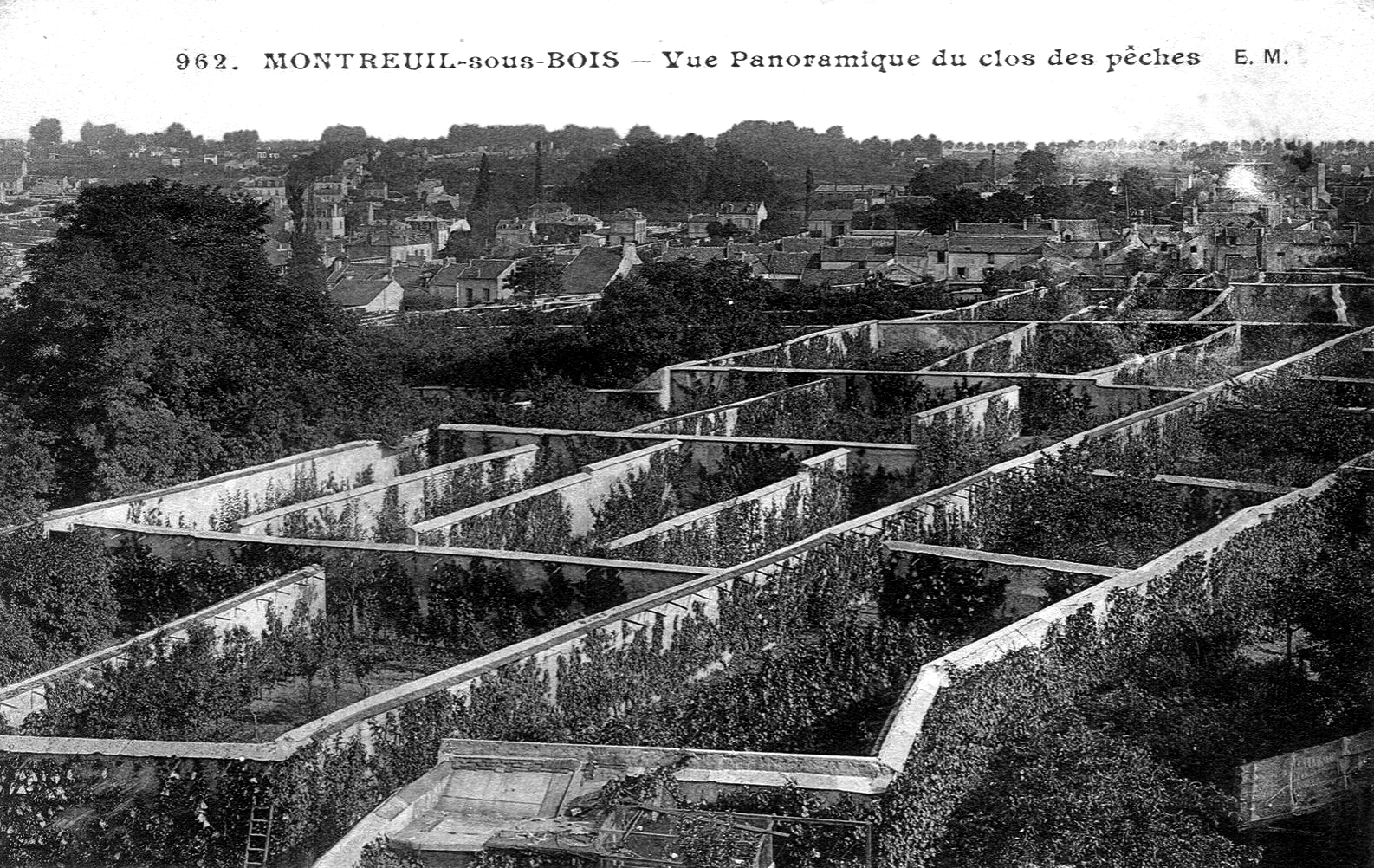
Thermal inertia was already being used in the 16th century to enable local urban farming. Fruit trees were planted against a wall with high thermal mass. The walls absorb heat during the day, which is slowly released at night, thus preventing frost damage. By building the fruit walls close together, the microclimate improved: even more heat could be retained and there was better shelter from the wind. Temperatures within the walls were 8 to 12 degrees higher than outside. A splendid example is Montreuil, a suburb of Paris, where, from the 17th century onwards, up to 17 million peaches a year were produced based on this simple principle, renowned for their quality.