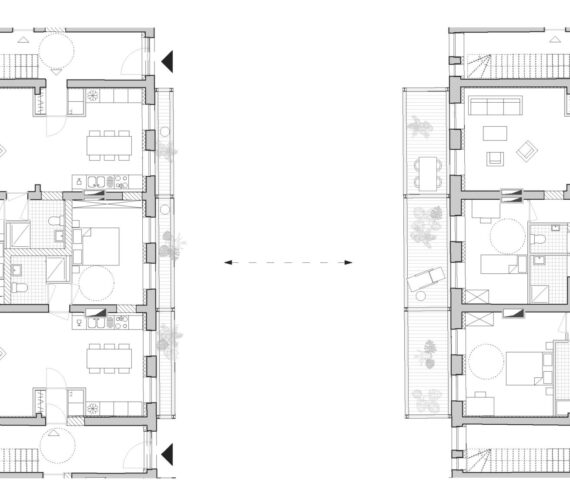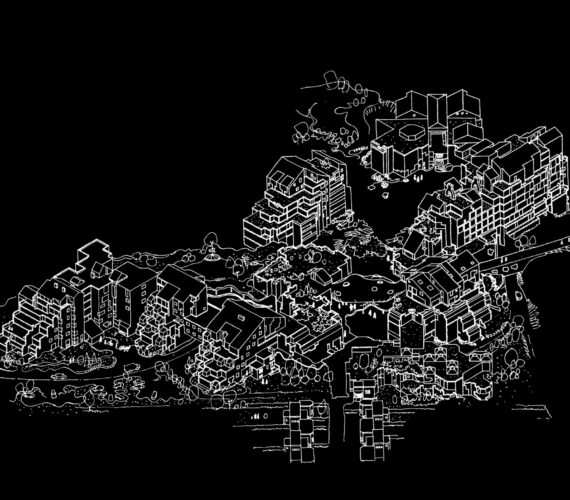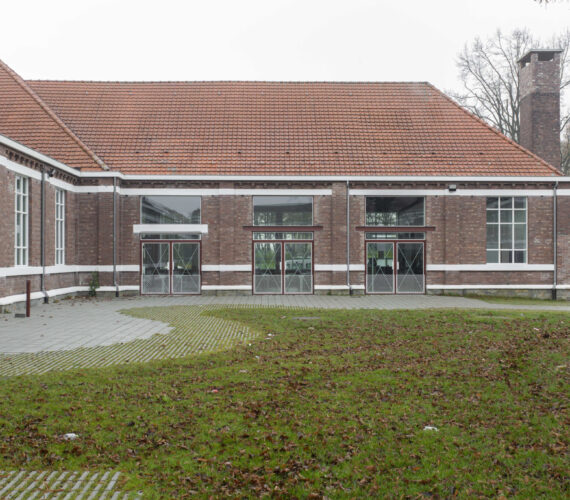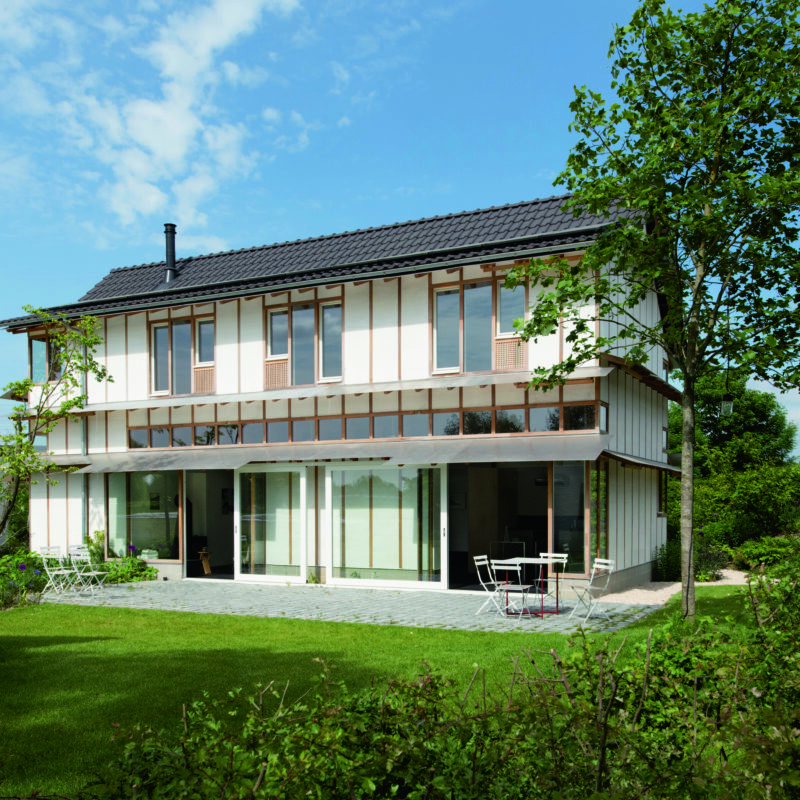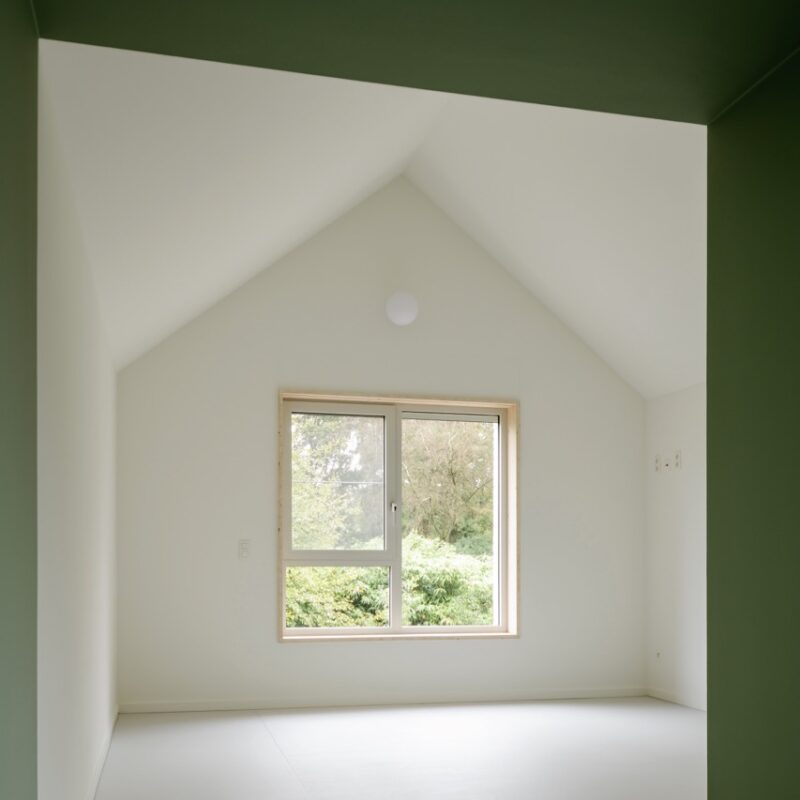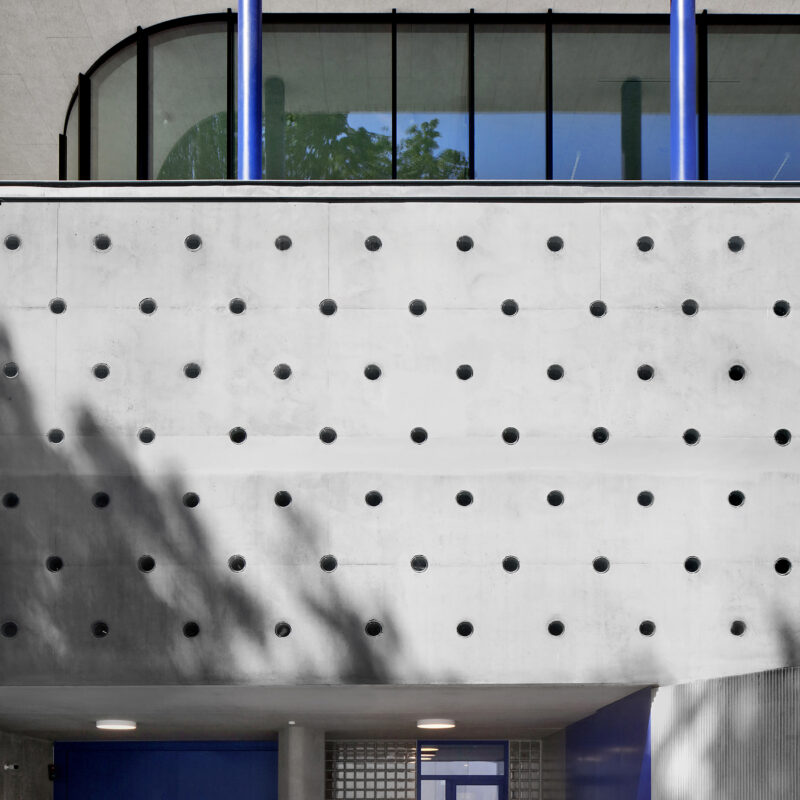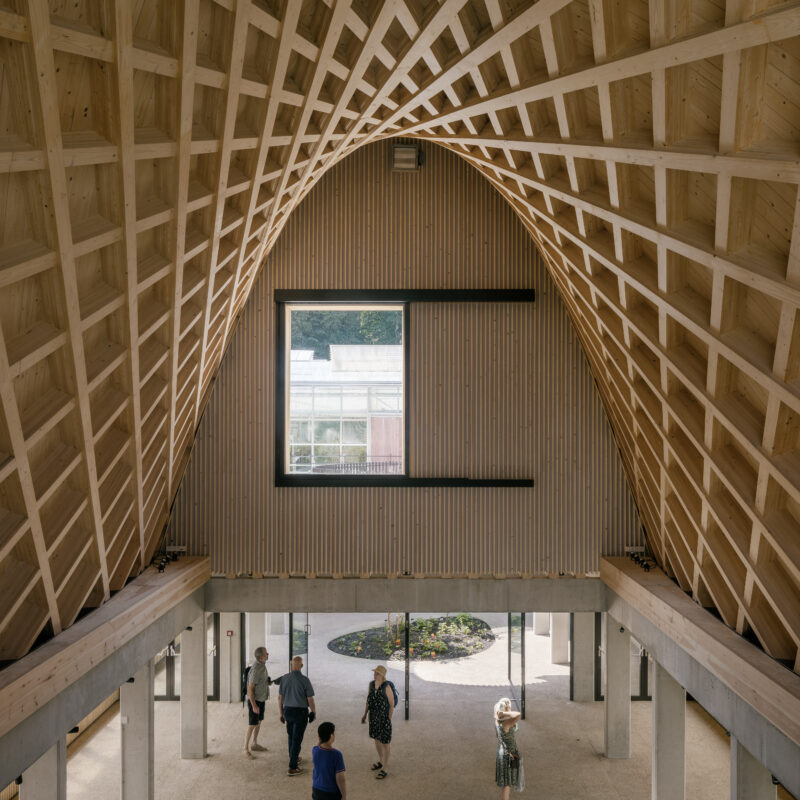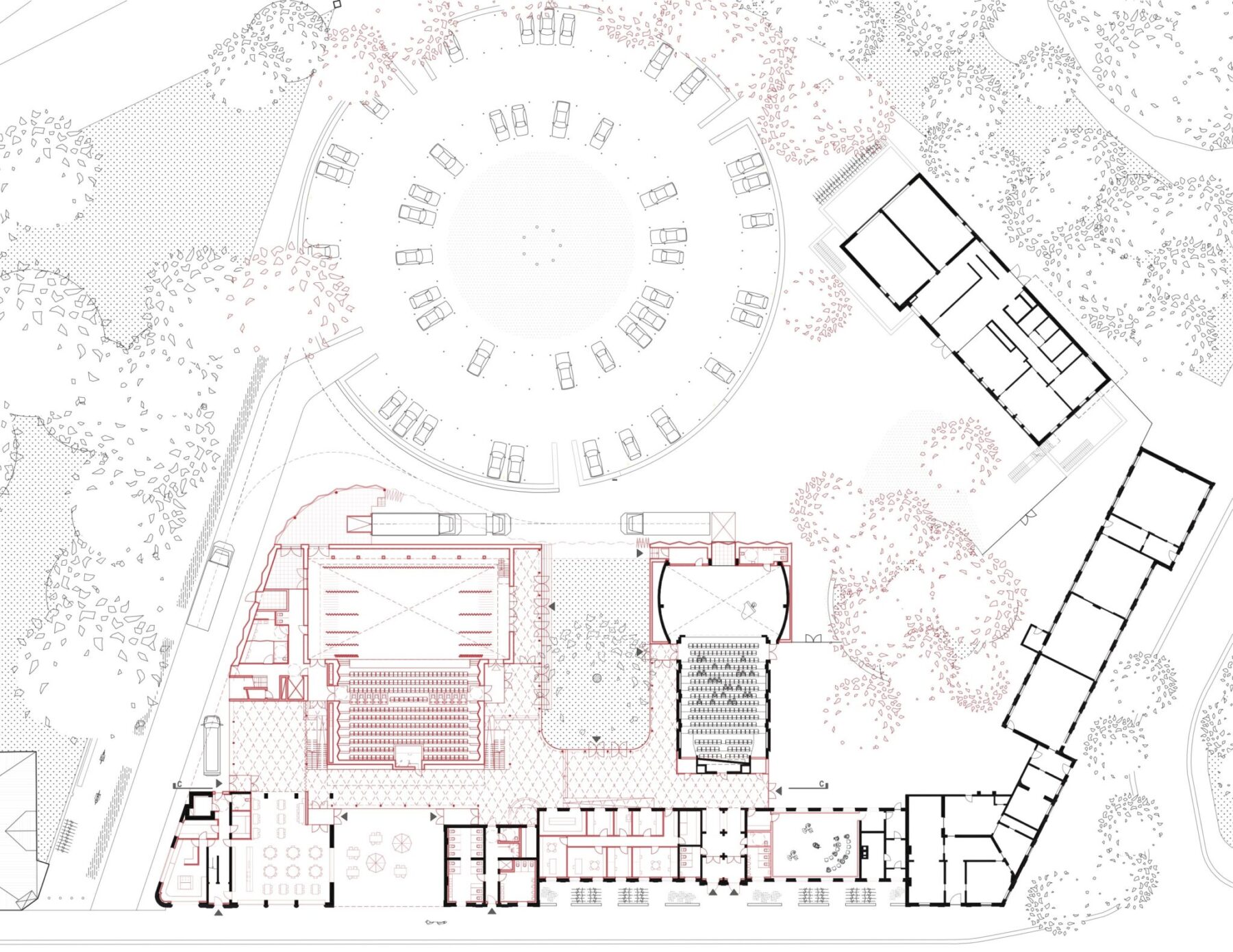
In light of the climate transition, we are only now realising just how significant the impact of construction is on greenhouse gas emissions, as well as what the finite nature of raw materials means for construction practice. As a result, the preservation and reuse of existing heritage are becoming increasingly important. For designers, these present fascinating and multifaceted challenges, which are becoming even more complex due to the energy-related requirements. The fact that dealing with existing buildings is always a balancing act is evident from four renovation projects that emerged from the selection procedure of the Open Call or formed part of an advisory dossier by the Flemish Chief Architect.
Raw materials and energy are required to produce building materials, transport them to site and construct the building, and there is the energy needed throughout a building’s life cycle (heating, cooling and lighting). Often, the energy consumed during the use phase exceeds the energy required for construction, yet the latter – also known as grey or ‘embedded’ energy – cannot be overlooked when deciding whether to repurpose a building or to demolish it and build anew. Demolition does not merely send the materials and their embedded energy to the scrap heap: energy is also required for the demolition itself, the removal of rubble, the production and transport of new building materials, and the construction process. It is clear that preservation and reuse often provide a better starting point than demolition and replacement, even if the new building is far more energy-efficient.