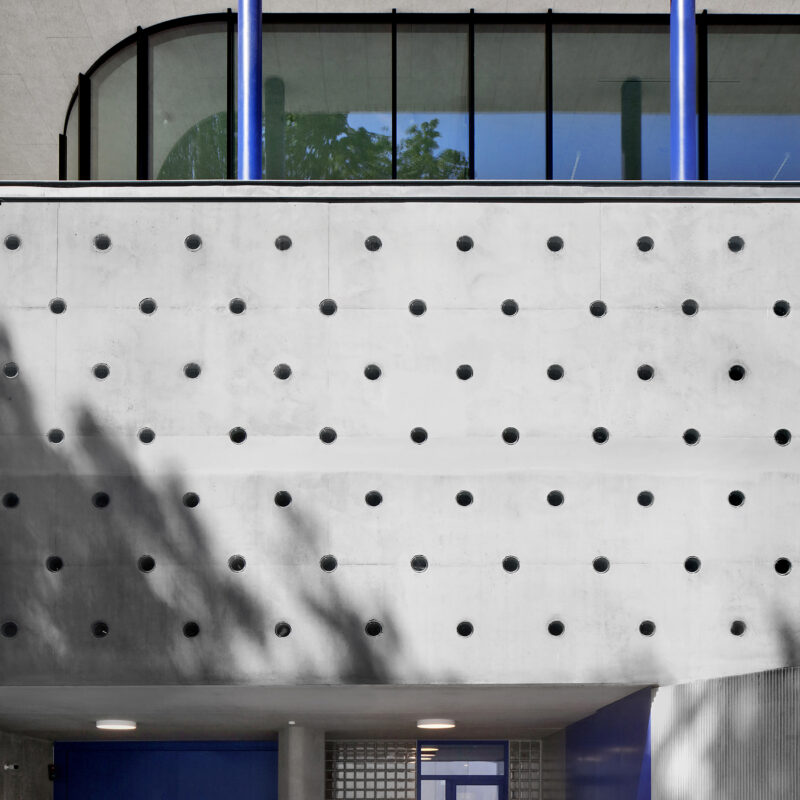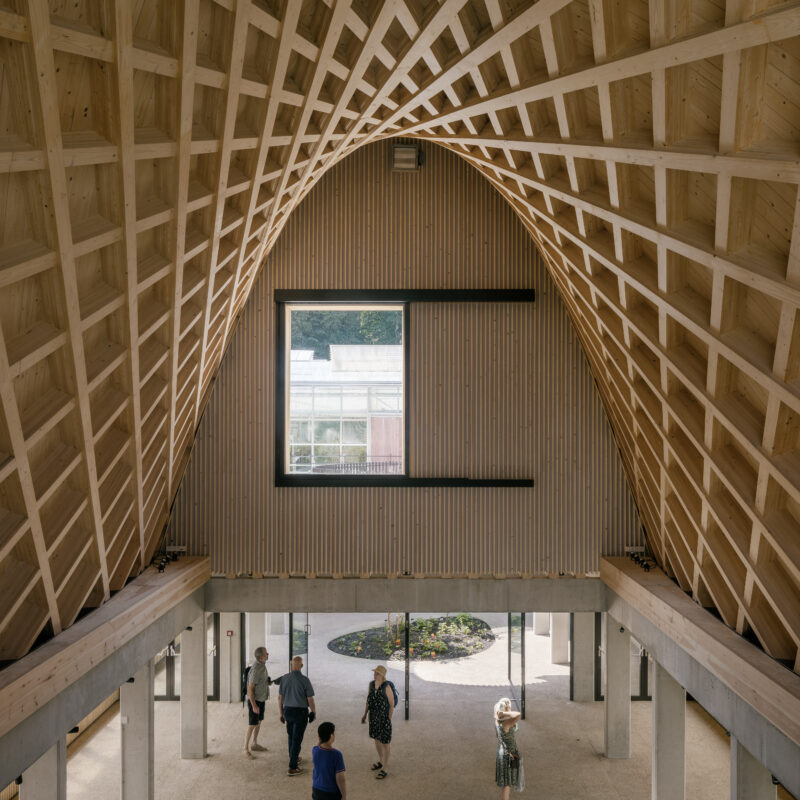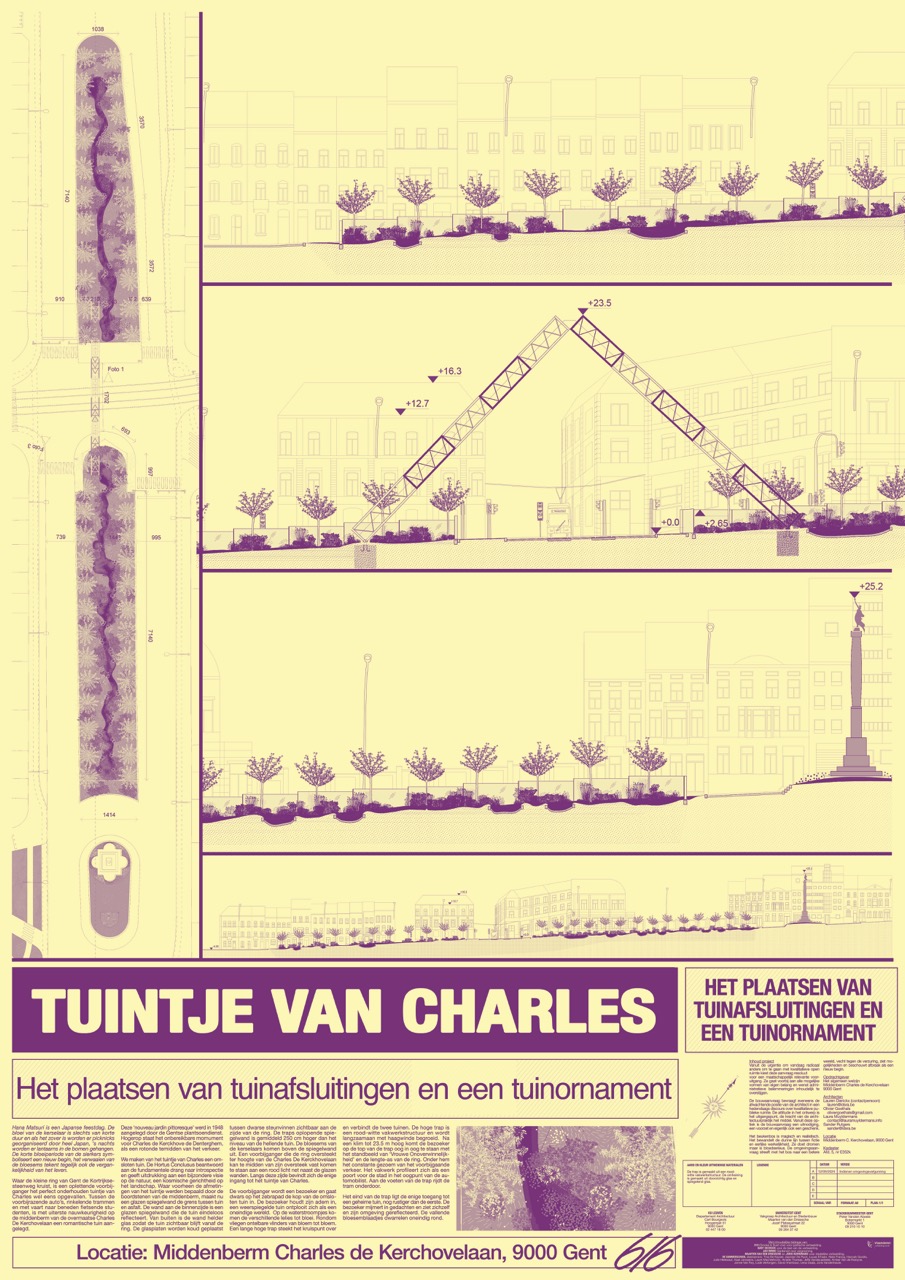
In this article, we examine six projects of critically engaged design practices from Belgium and the Netherlands. What connects them is their critical view of society, whether it concerns our treatment of people in vulnerable situations or the future of our planet. The practices are based on a strong commitment and show that things must and can be done differently. The designers involved do not simply accept the situation, but sharply expose the causes and injustices.
‘The future is what we make of it in the present. Much of it is being determined now. We need to recognise where the opportunities lie and what our role in them can be. There is nothing more important at this time.’1 He outlines how a combination of criticism and positive engagement is possible if architects, urban planners, designers, practitioners, activists and urban thinkers join forces and use the power of design to come up with alternatives for a better world. Specifically, Marcuse proposes three steps. The first step, ‘exposing’, consists of uncovering possible social injustice. The second step, ‘proposing’, stands for developing alternative proposals. And the third, unmissable step, ‘politicising’, consists of challenging policy and stimulating social debate. 1 Rebecca Solnit, ‘Difficult Is Not the Same as Impossible’, in: Not Too Late, Changing the Climate Story from Despair to Possibility./footnote]