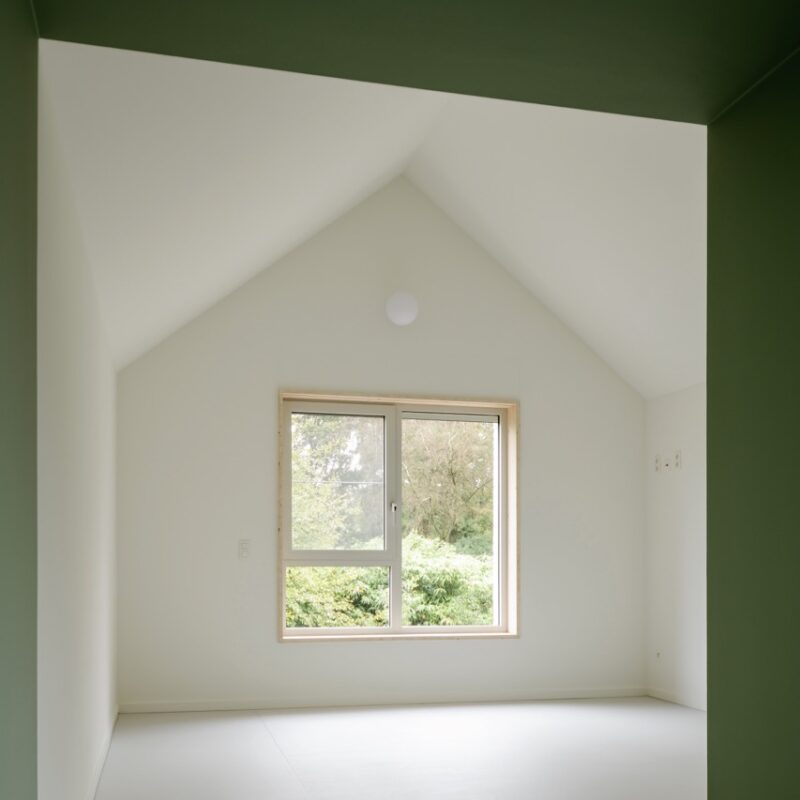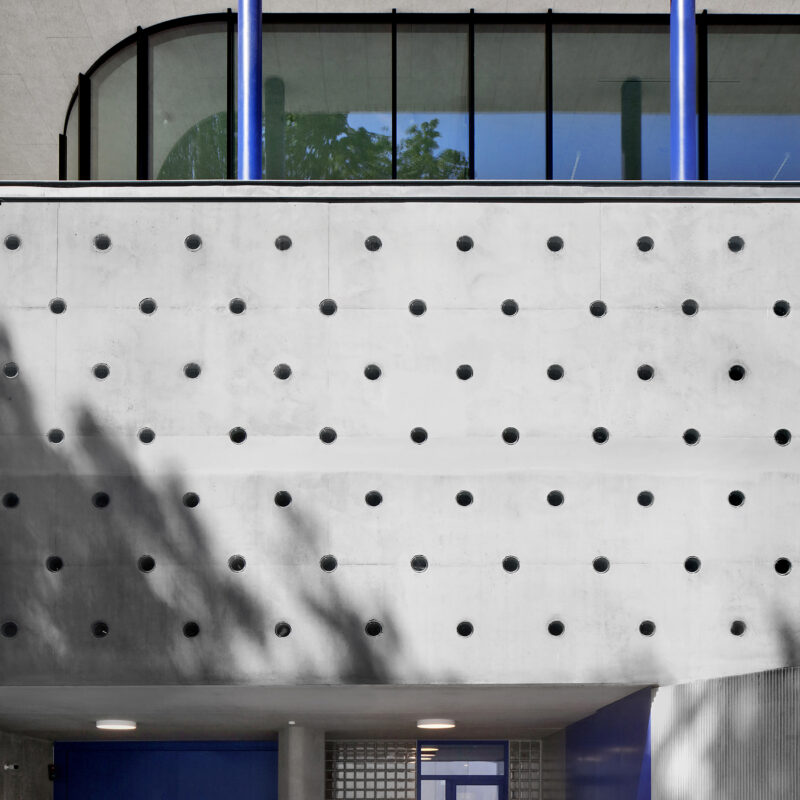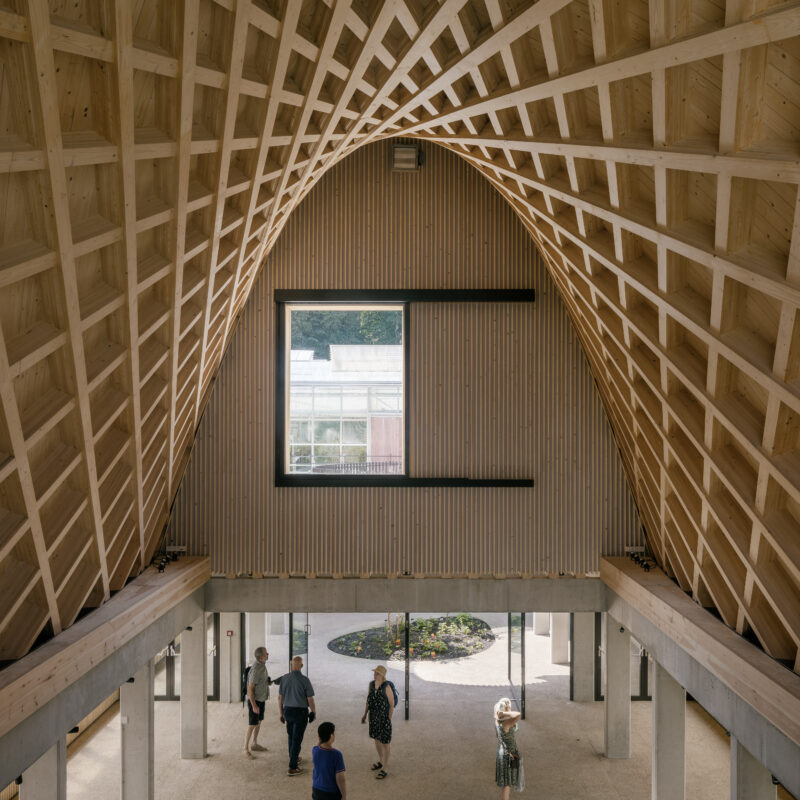
Since 2015, the Union Professionelle d’Architectes / Professional Union of Architects (UPA-BUA) has awarded the Van Hove Prize to students every year. A diverse jury of practising architects selects one or more winners from a selection of graduation projects by (engineering) architects from all Belgian universities. This year, the jury selected two winners, both from KUL Sint-Lucas Ghent. An extensive study of the context, typological analyses, clear diagrams and beautiful graphic documents earned them first prize.
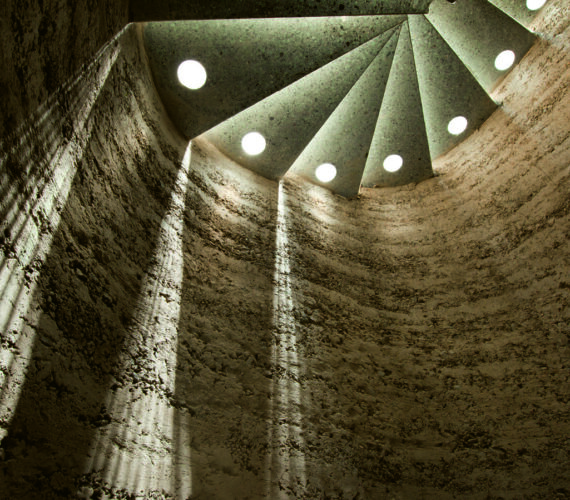
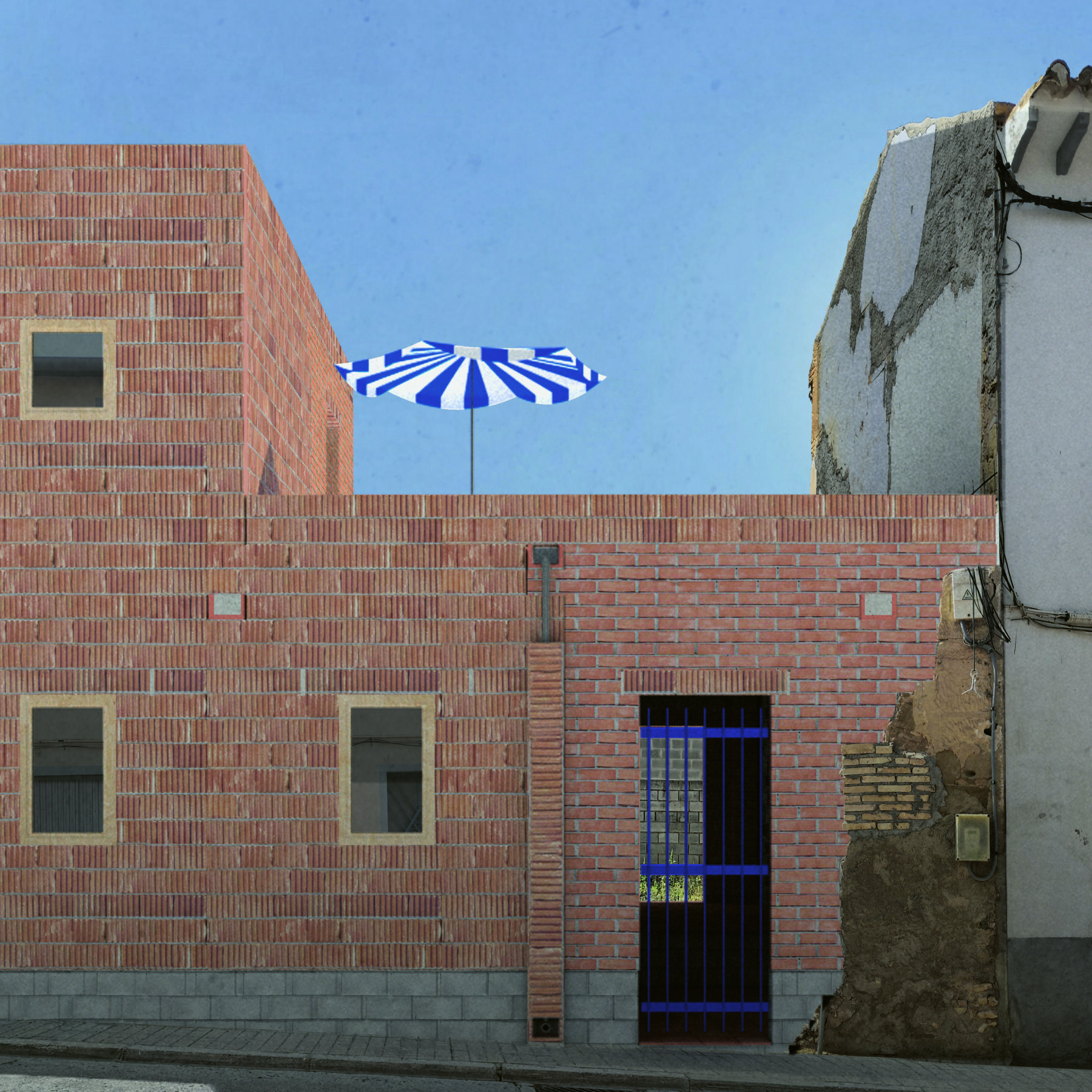
In Stoffwechsel or Peralta de Alcofea, Marcos Suelves seeks local anchoring. Peralta de Alcofea, a small village in northern Spain at the foot of the Pyrenees, is home to Suelves’ family. Due to the risk of collapse, the mud house in which the family had lived for generations had to be demolished or renovated. The design of the new house with a studio to replace the parental home is a noble gesture to the aunt who still lives there. Thanks to meticulous research into indigenous building methods and materials in the Somontano region, the project fits humbly into the rural region and has a minimal ecological footprint. A sensitive architectural language in which different textures and sizes of brick create a faceted façade adorns the design. The variety is created by a pragmatic selection of brick types based on characteristics such as strength, thermal performance and price. The strongest bricks form the structural skeleton, insulating bricks demarcate interior spaces and non-load-bearing interior walls are constructed using the cheapest bricks. These guidelines demarcate a playing field within which materials are also used atypically. Round openings in the cross-section of the bricks serve as mountings for the sun blinds. Even the downpipes become tectonic elements that bring rhythm to the fragmented façade composition. Peralta’s contextualised metabolism results in a vernacular and eclectic architecture, which, thanks to the system, offers a certain inherent flexibility.