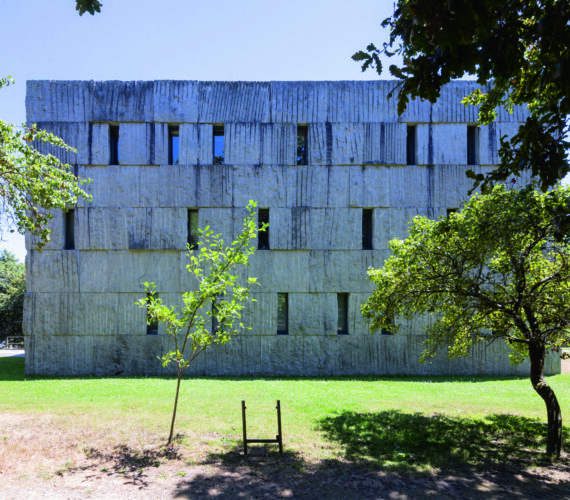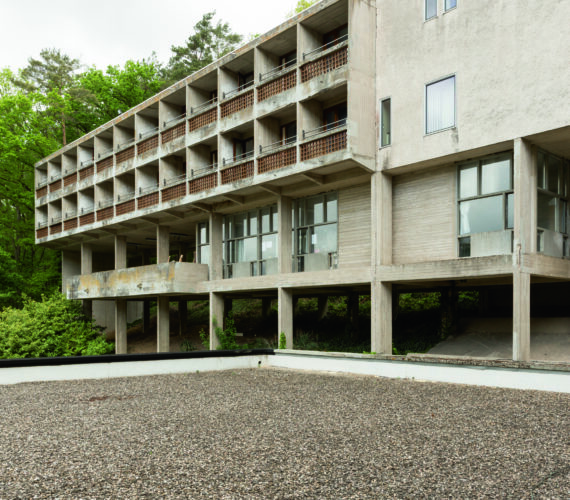
From the second half of the 19th century until well into the 1980s, many large-scale buildings and complexes were constructed in Belgium. These structures bear witness to an era in which large-scale enterprises, both public and private, were supported by a national economy. They reflect the production capacity of a country with a thriving mining and industrial sector, which drove national welfare and the welfare state. In more recent decades, most large-scale buildings have been tertiary or commercial complexes with a neutral, less distinctive architecture, reflecting uncertain times.
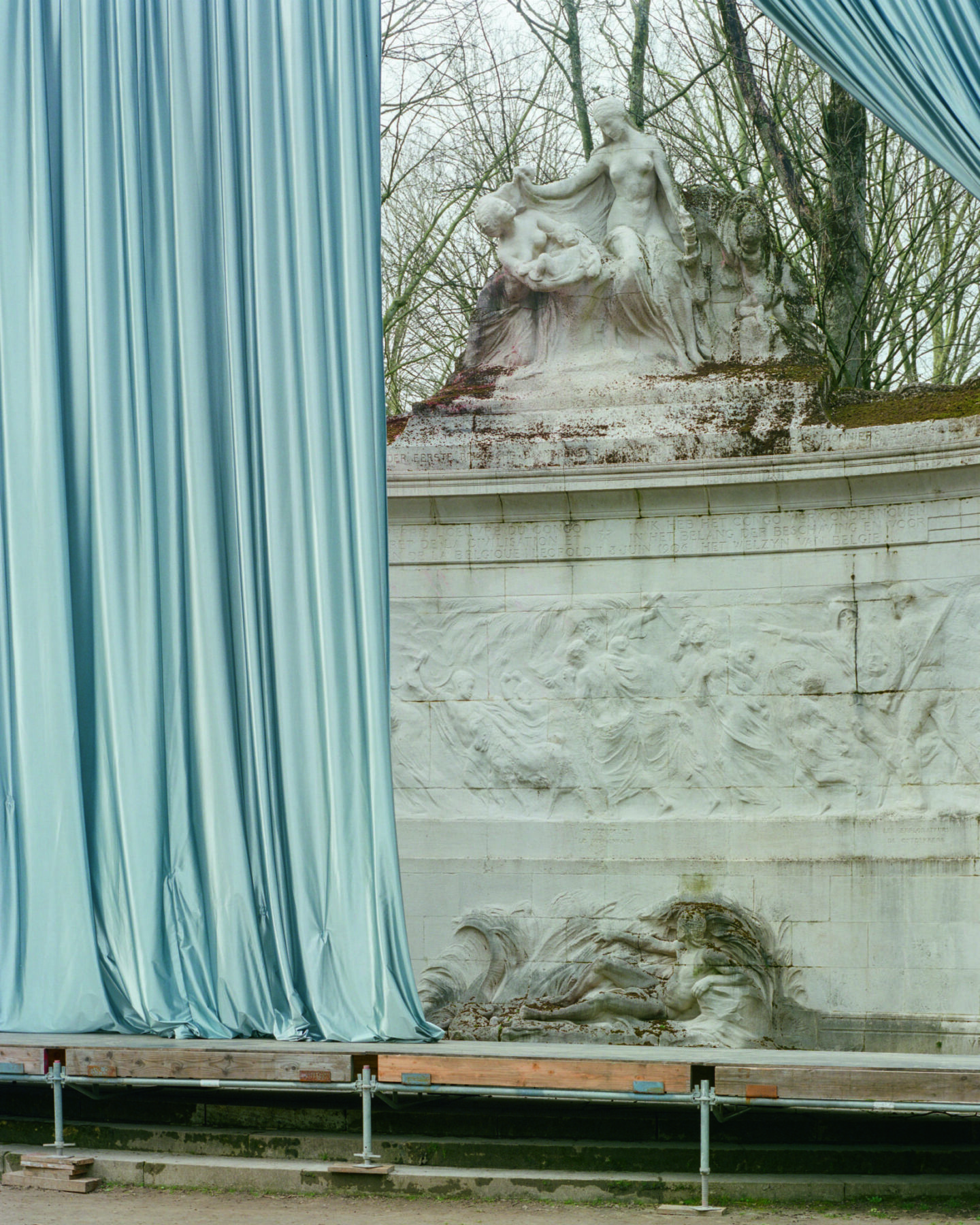
We have inherited architecture that has shaped the history of the country and its inhabitants, but our collective memory and knowledge are rapidly deteriorating. They are being squeezed out by an excessive interest in the present and the near future. As a result, our relationship with the past and its legacies oscillates between amnesia, vagueness and frivolity. How many monuments that cross our path still captivate us? How many buildings still appeal to our imagination?