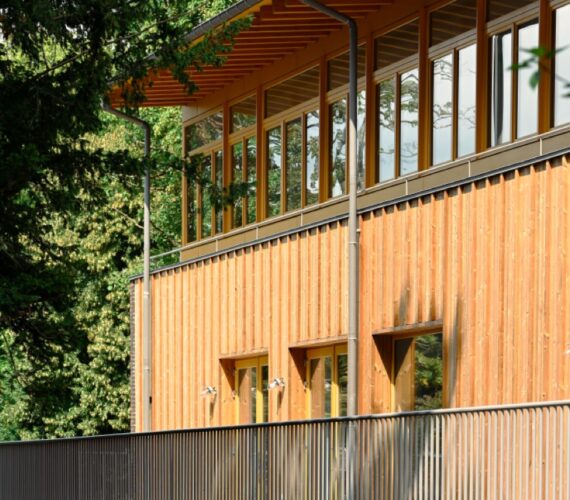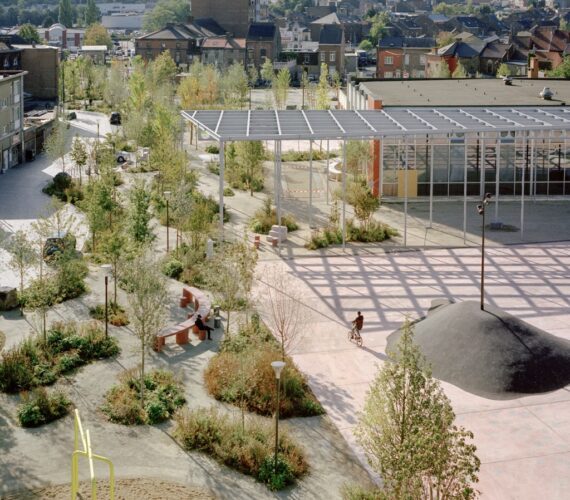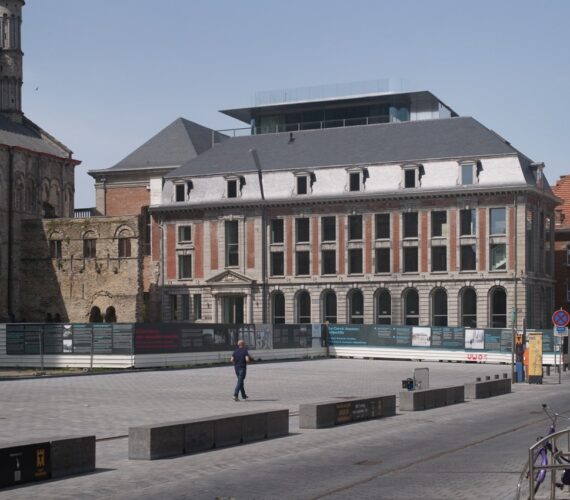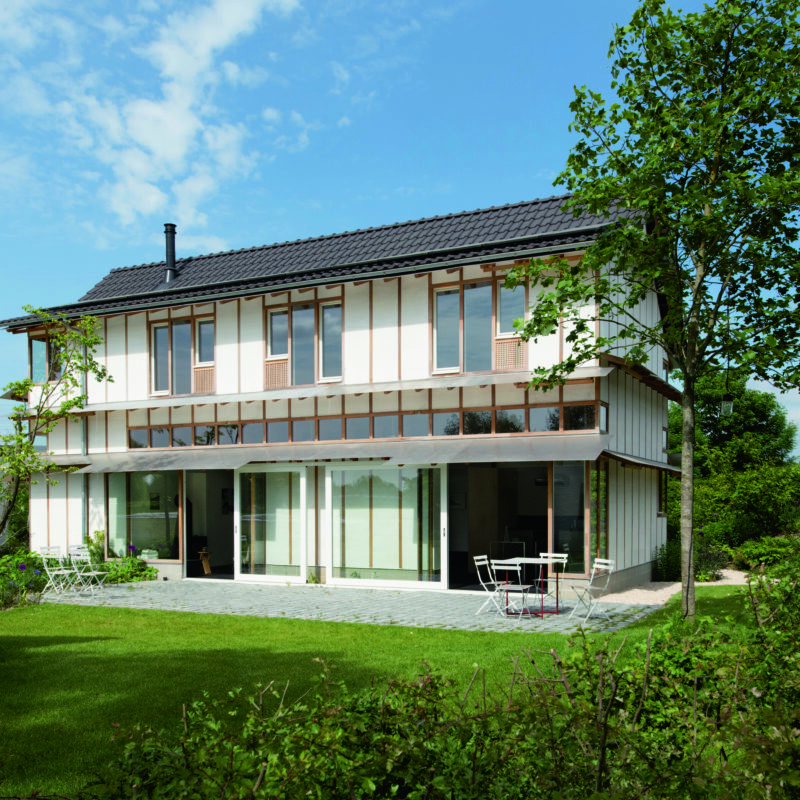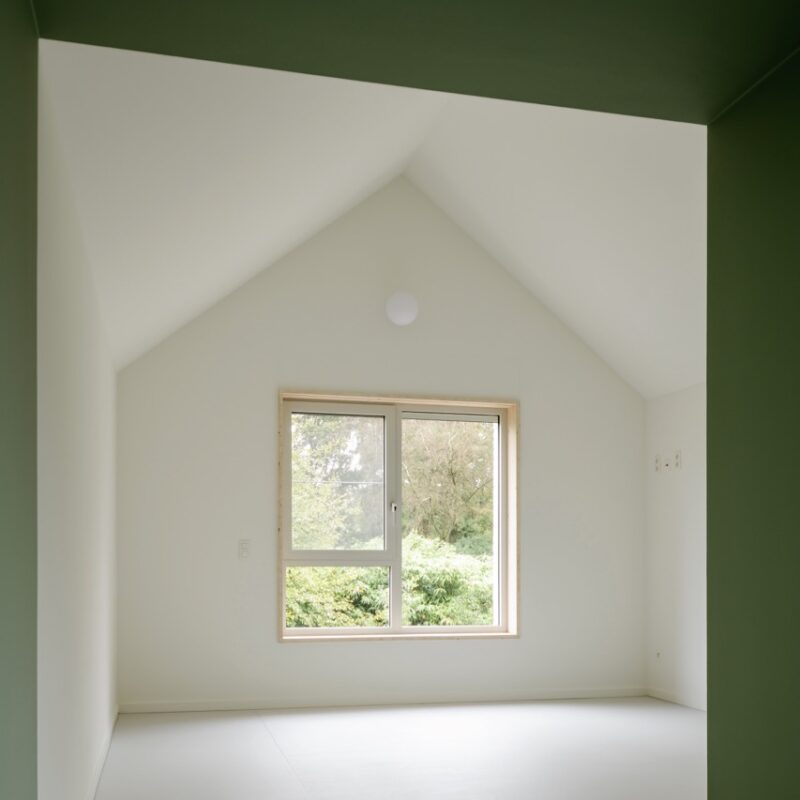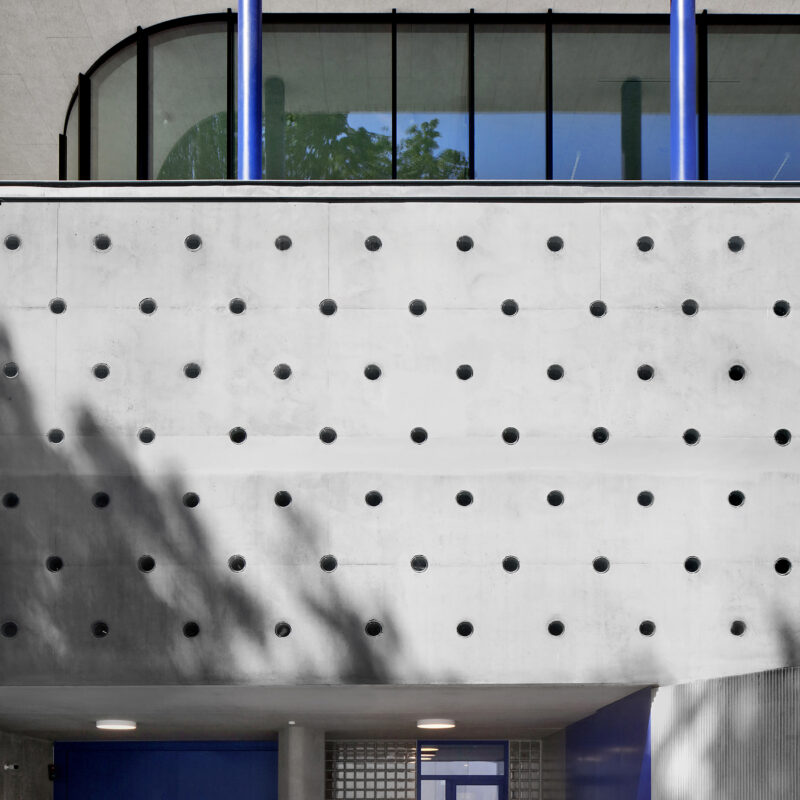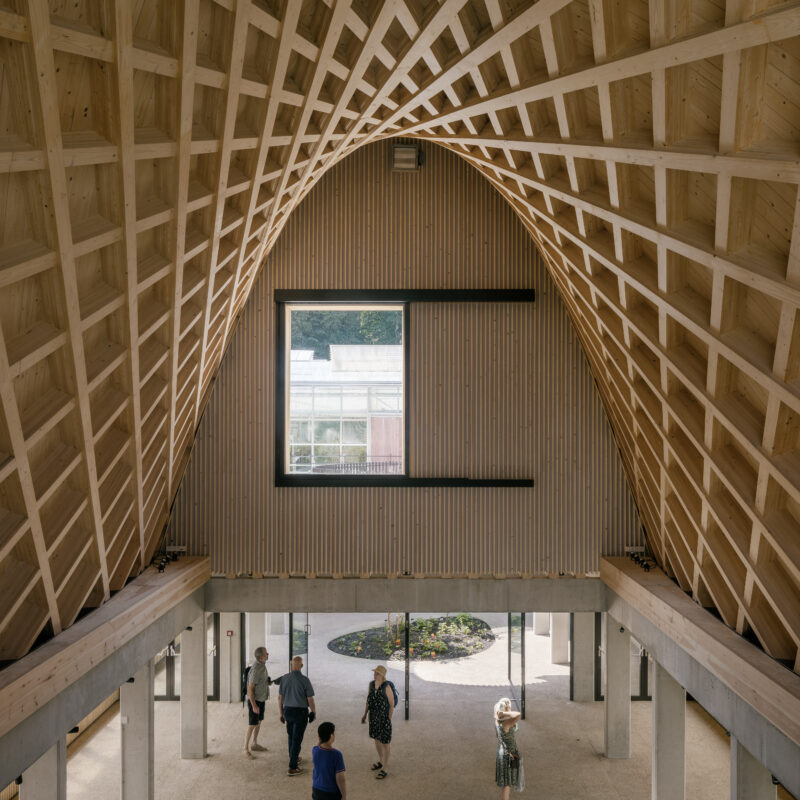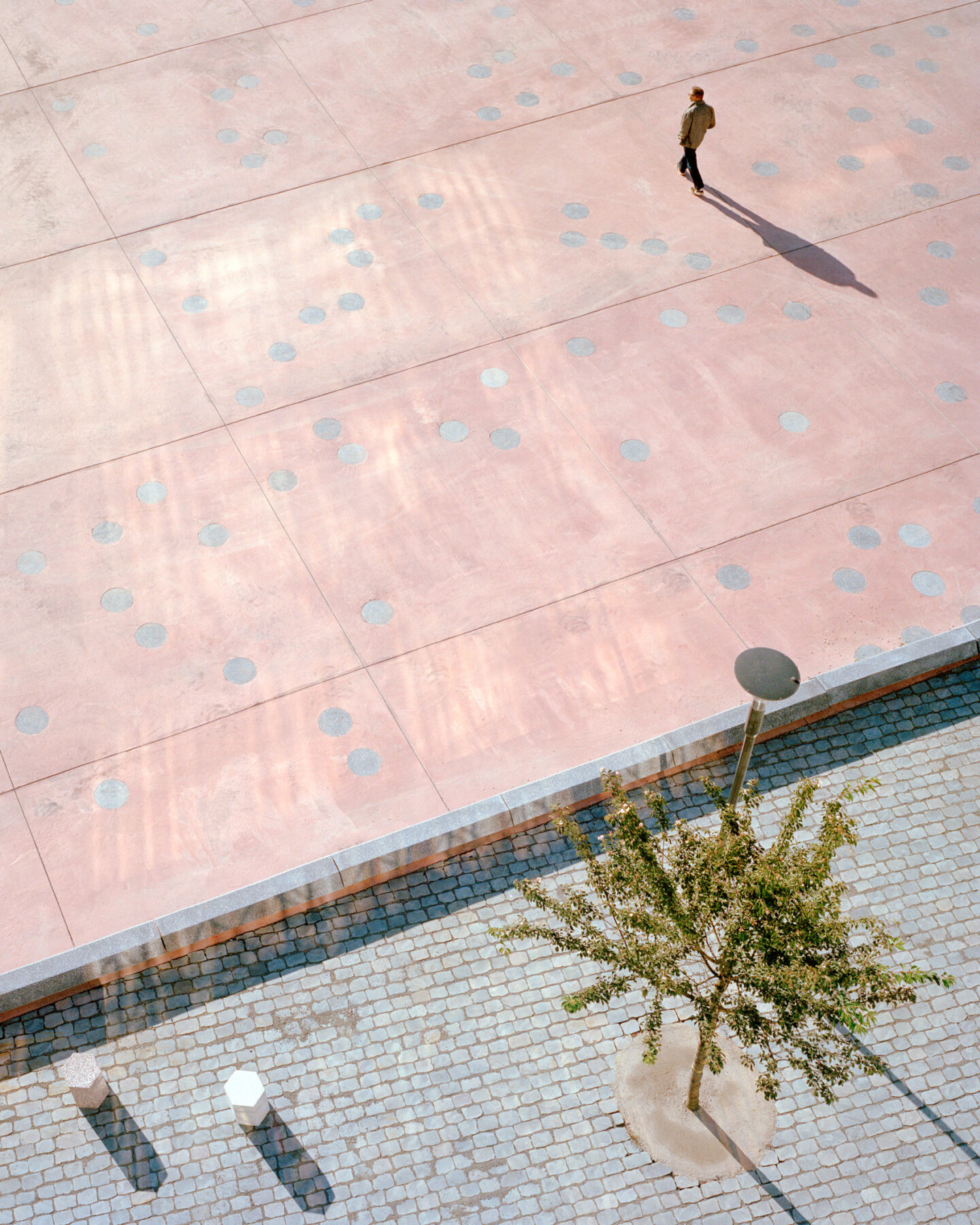
‘We never design for a programme; we use the programme as a pretext to define a structure capable of shifting. Buildings survive because they can resist time physically, but also because they can adopt new functions. We build what must endure, and we set conditions for everything that may change.’ Renowned Portuguese architect Manuel Aires Mateus reflects on what flexibility in architecture means to him. ‘True ecological quality lies in this combination of endurance and openness.’
Buildings that can adapt to new functions, changing users and social evolutions have a longer lifespan. In the quest for sustainability, it is therefore not surprising that ‘flexible design’ is on the rise. The term is widely being used by both architects in competition proposals and project developers in sales campaigns. But what exactly does it mean?