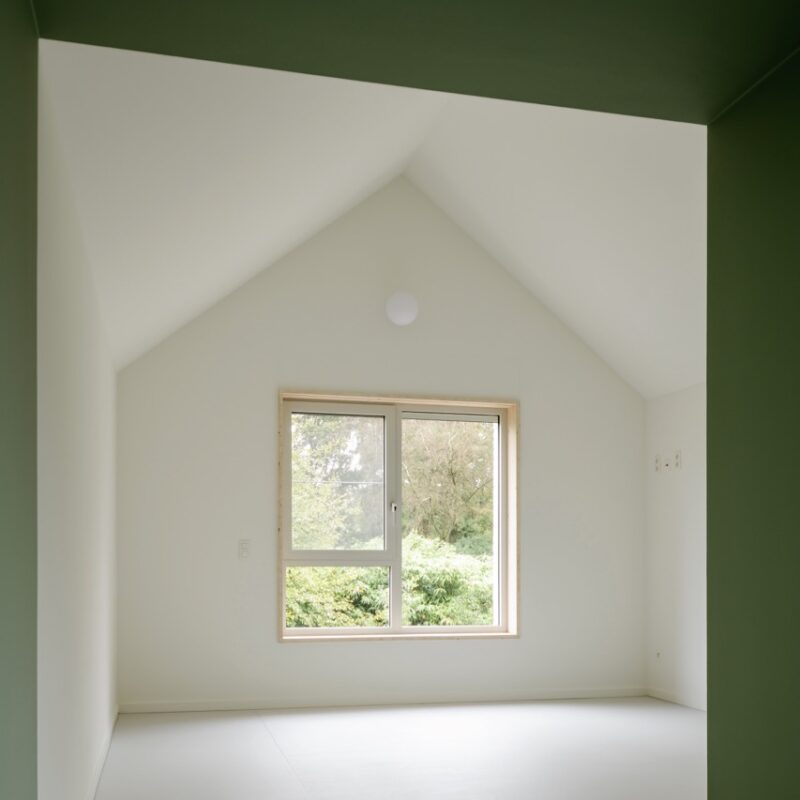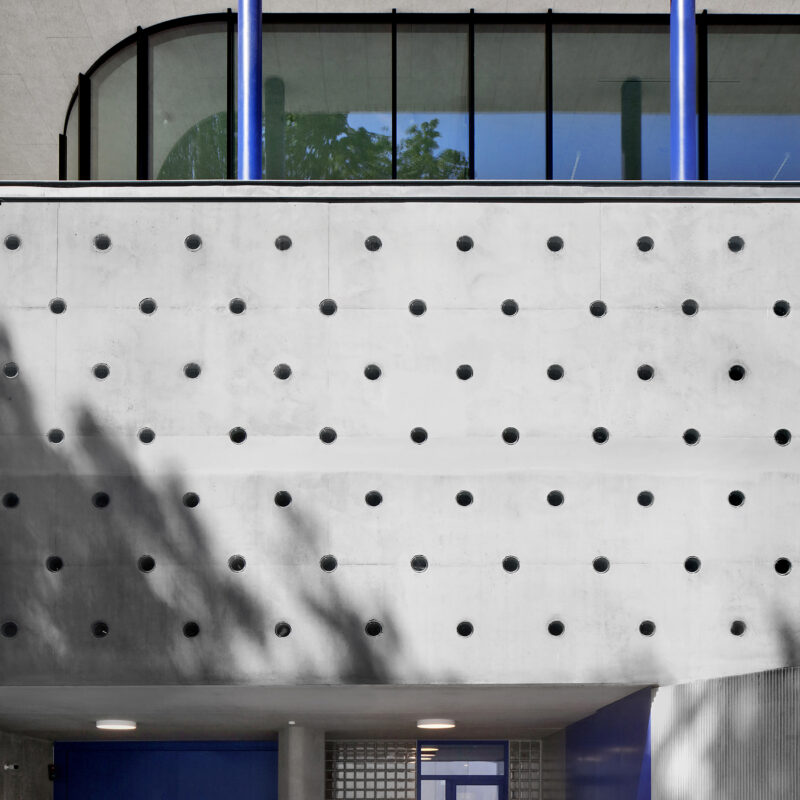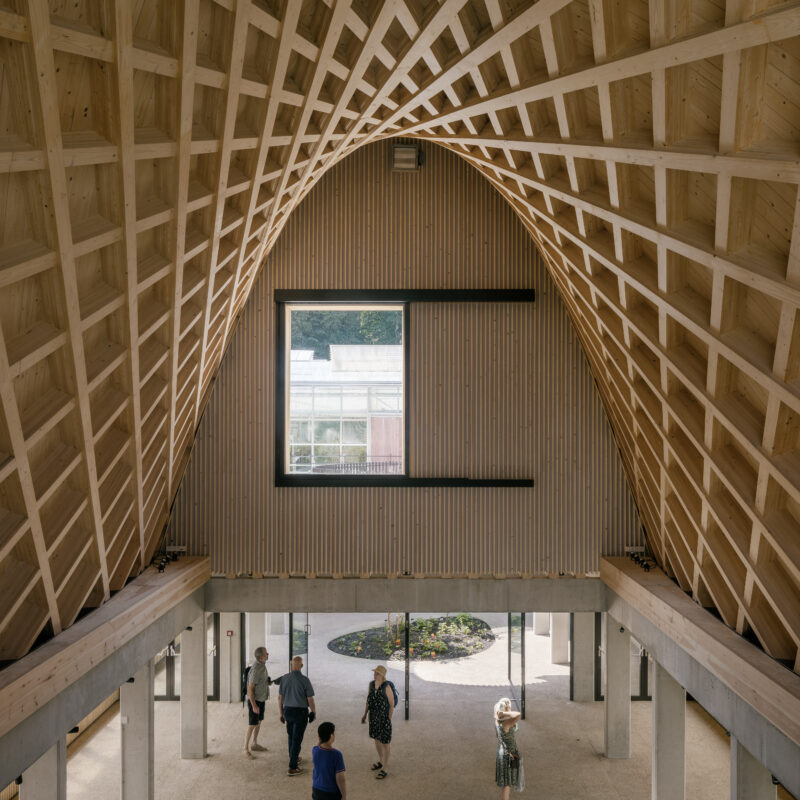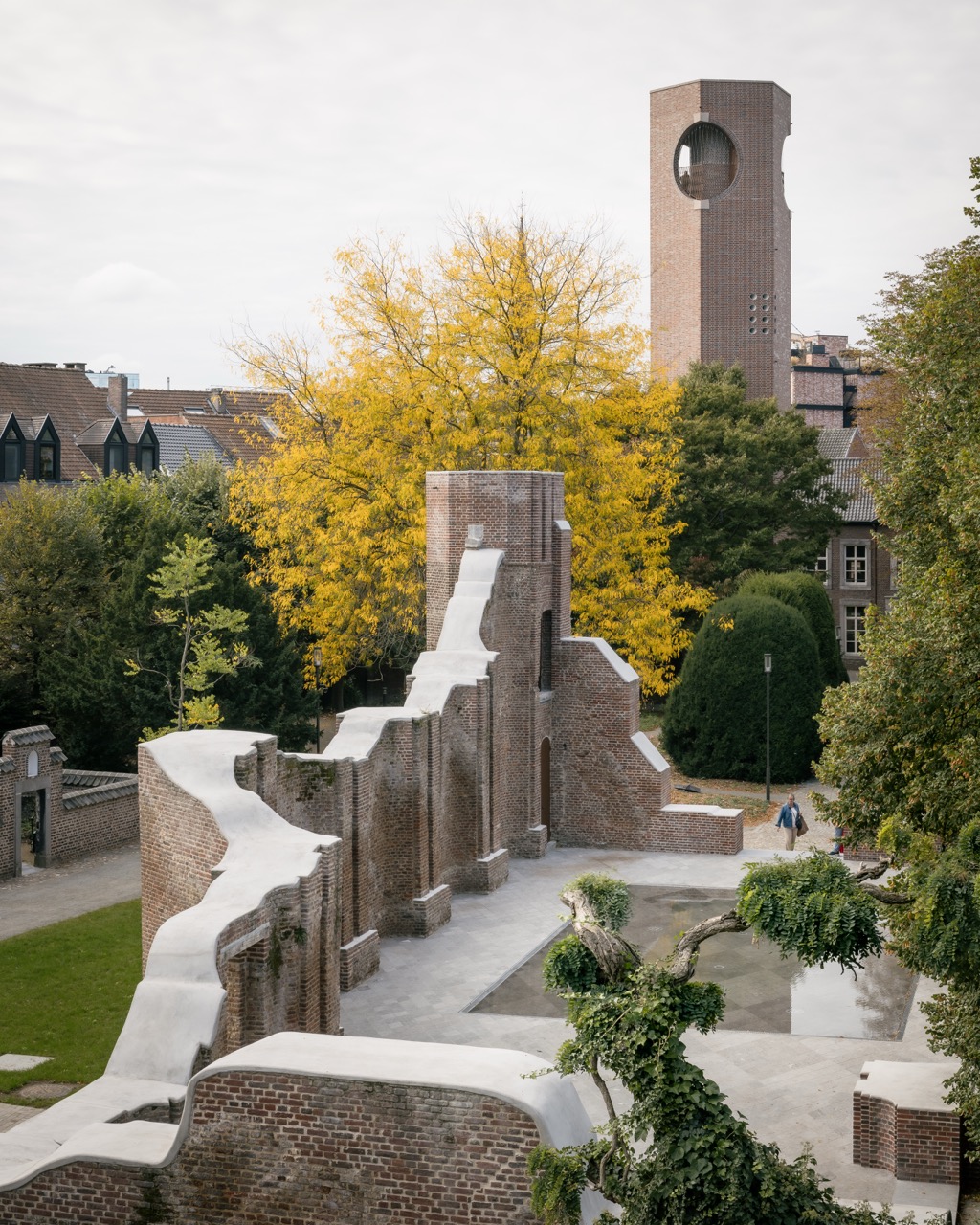
Abroad, Belgium’s public commissioning is viewed with admiration. Institutions such as the Flemish Government Architect, the Brussels Government Architect and the Cellule architecture of the Fédération Wallonie-Bruxelles are internationally praised for their role as quality guardians and process supervisors. Thanks to design competitions, quality chambers and active dialogue with designers and clients, they succeed in placing spatial quality at the heart of public commissioning.
Nevertheless, spatial development in Belgium is largely in the hands of private actors. In no other European country do they have such a major impact on the landscape as here. This influence has grown historically, is deeply rooted and multifaceted. Due to the government’s decades-long reticence in spatial planning and housing policy, property developers and private builders have been given considerable leeway to determine the urban and rural landscape. As a result, private initiatives are not complementary, but often lead the spatial transformation of our country. It is precisely this dominant position that calls for critical reflection, because the quality of private projects varies greatly. Some excel in architectural and urban planning sophistication, while others remain mired in banality or mere profit maximisation.