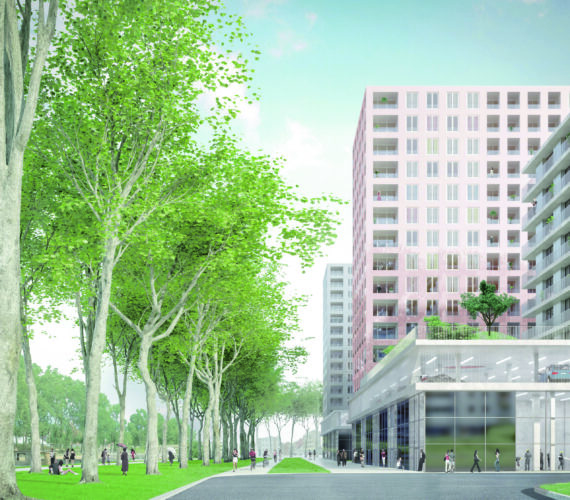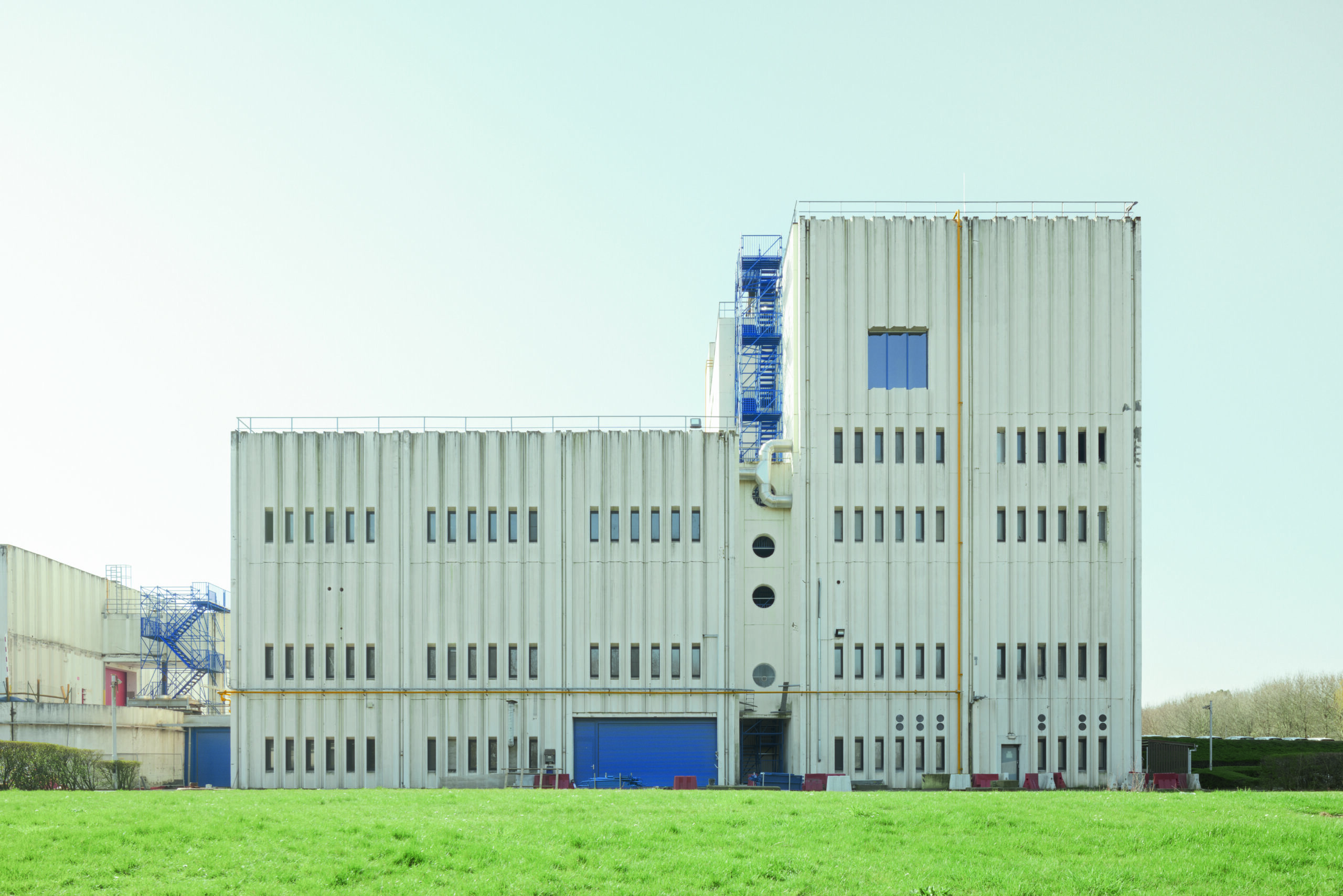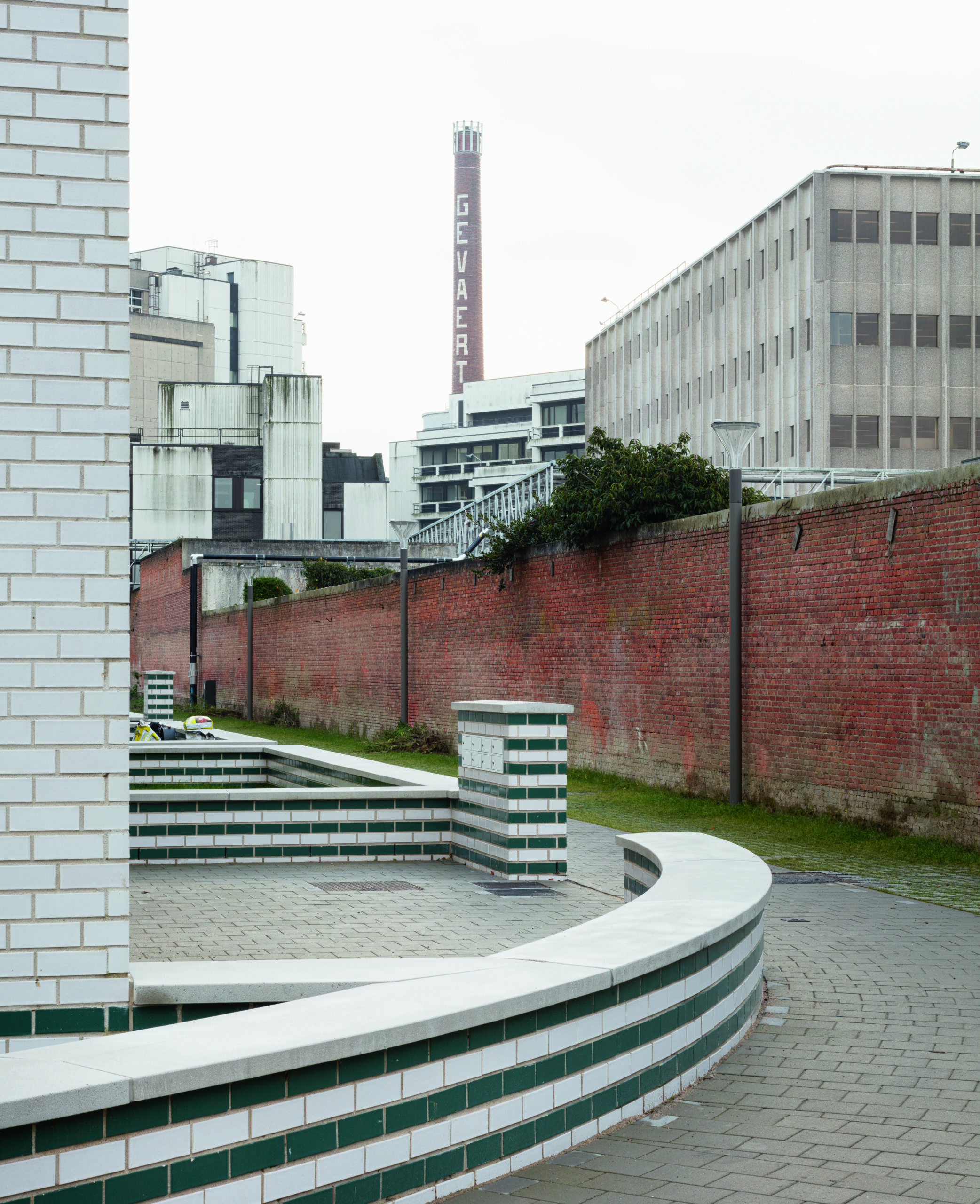
‘A Good City has Industry.’ With this somewhat bold statement, Architecture Workroom Brussels (AWB) argued at the International Architecture Biennale Rotterdam (IABR) in 2016 for bringing manufacturing back to the city. In the late 20th century, most productive activities were banished to industrial estates outside the city ring, where they caused no nuisance. However, this move to the periphery proved to be such a space-consuming strategy – resulting in a lot of paving, pollution and unnecessary traffic jams – that around 2010, planners, designers and governments began to argue for bringing these activities back into the city, mixed with housing and other urban functions.
Brussels was a frontrunner in this regard. In 2013, the zoning plan was expanded to include a new area category, ‘business area in the urban environment’ (OGSO), a compromise to meet the need for both housing and economic activities in the city. But interweaving production activities and other functions is still, and always will be, a balancing act. The productive use often ends up being a single coffee bar, supermarket or bicycle repair shop. In the developer’s revenue model, housing often takes precedence. Only ground floors are given space for other functions, but these remain vacant for a long time, and in reality, often only the underground car park is shared.