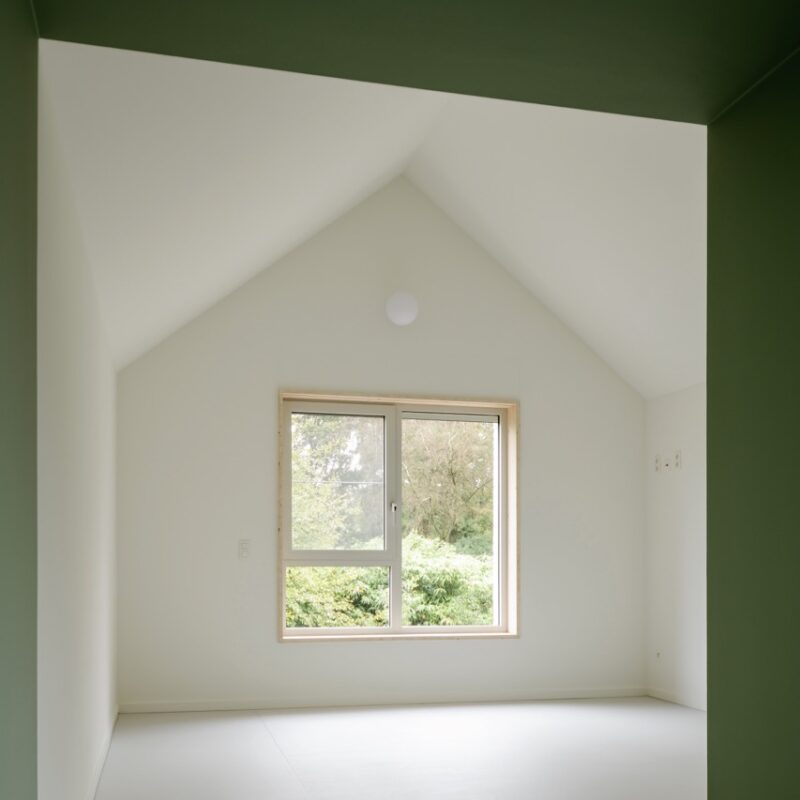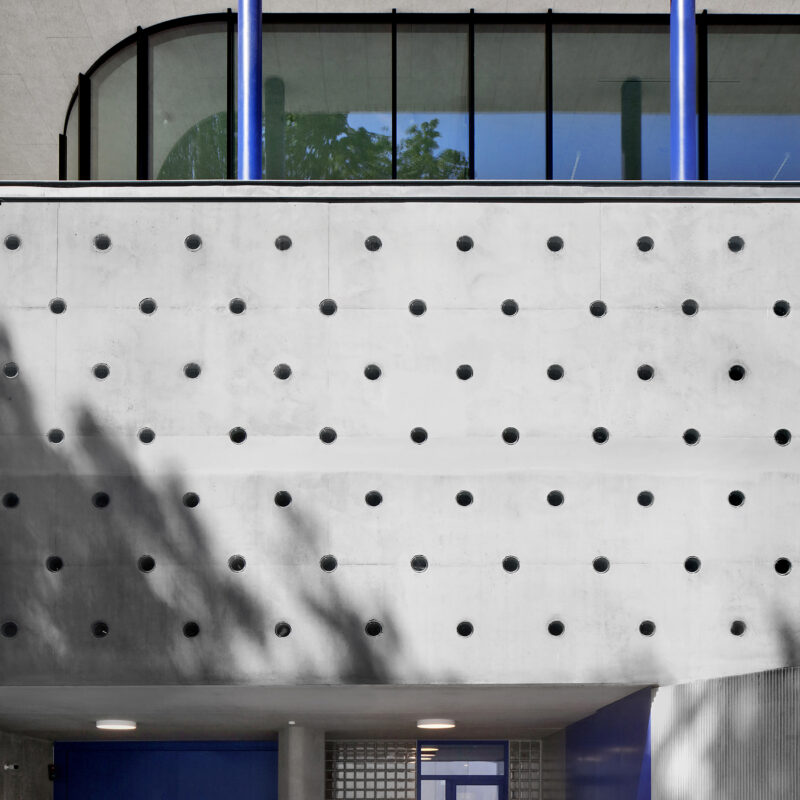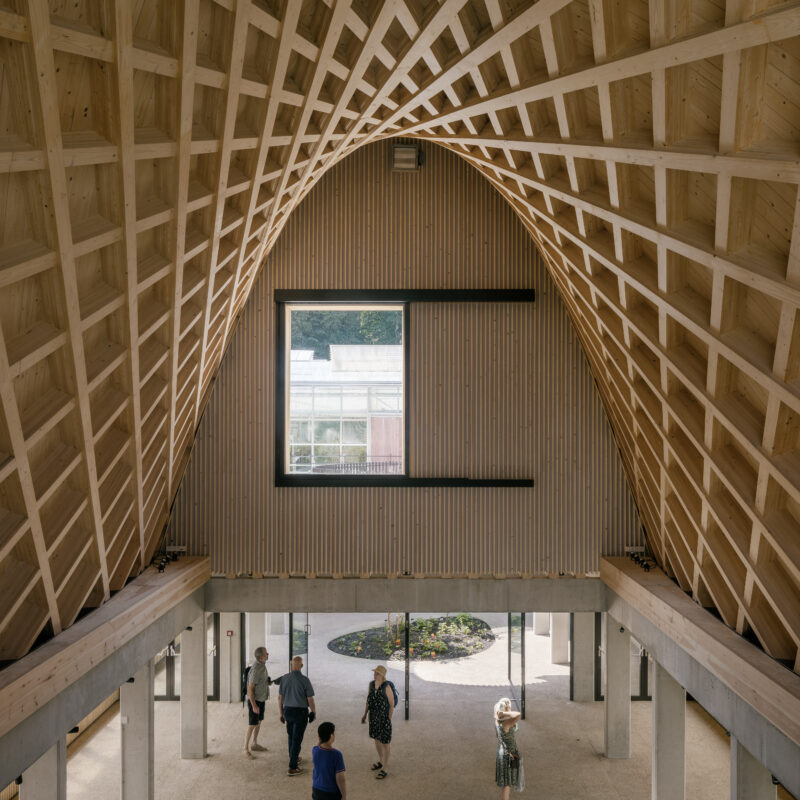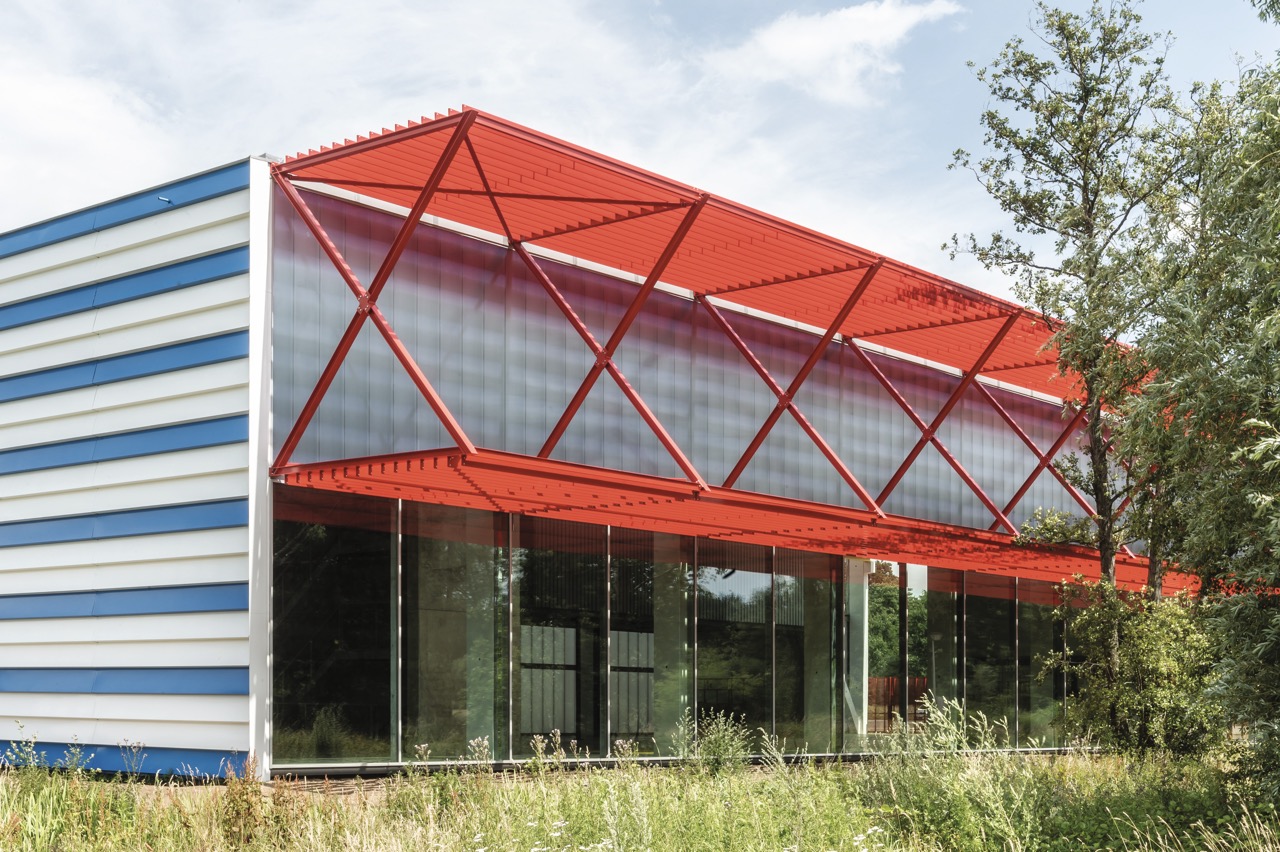
In mid-March, the exhibition When Practice Becomes Form: Carpentry Tools from Japan opened at the Japan Society in New York, in a setting designed by Sou Fujimoto and Popular Architecture. Dozens of chisels, files and saws, as well as all manner of jigs and beautiful full-scale models of timber joints, are arranged in an almost military formation. They tell the story of woodworking in Japan and how craftsmanship in this field structurally contributes to the significance of architecture. Closer to home, too, lectures and exhibitions by organisations such as the Flemish Architecture Institute and Archipel bear witness to the connection between Japanese and Belgian architects, where craftsmanship, a love of detail and bespoke work form the connecting factors. The wooden structure for the Schenk Hattori reception pavilion in Zillebeke is a much-discussed example of this.
Industrialised construction processes and the use of standardised materials have been established for decades. In the case of larger public buildings, public tendering cuts off the direct link between designer and contractor. Yet, compared to its neighbouring countries, Belgium still enjoys a relatively fertile ground for craftsmanship, thanks to the large share of the private construction sector. In addition to this rather traditional view of construction, craftsmanship has also gained momentum thanks to the growing ambition of an increasing number of architects to build using sparing, local, natural and reusable materials. This, in turn, has led to materials research and new experiments in construction. This is evidenced by the house in Ternat by Blaf architects, which used self-designed bricks, or the Hen project in ’s-Gravenbrakel, where Karbon’ developed a new wall construction using straw. Craftsmanship and the direct relationship with the builder led here to new forms of expression within architecture, moving beyond the purely technical aspect of the material or the romanticism of ingenious detail.