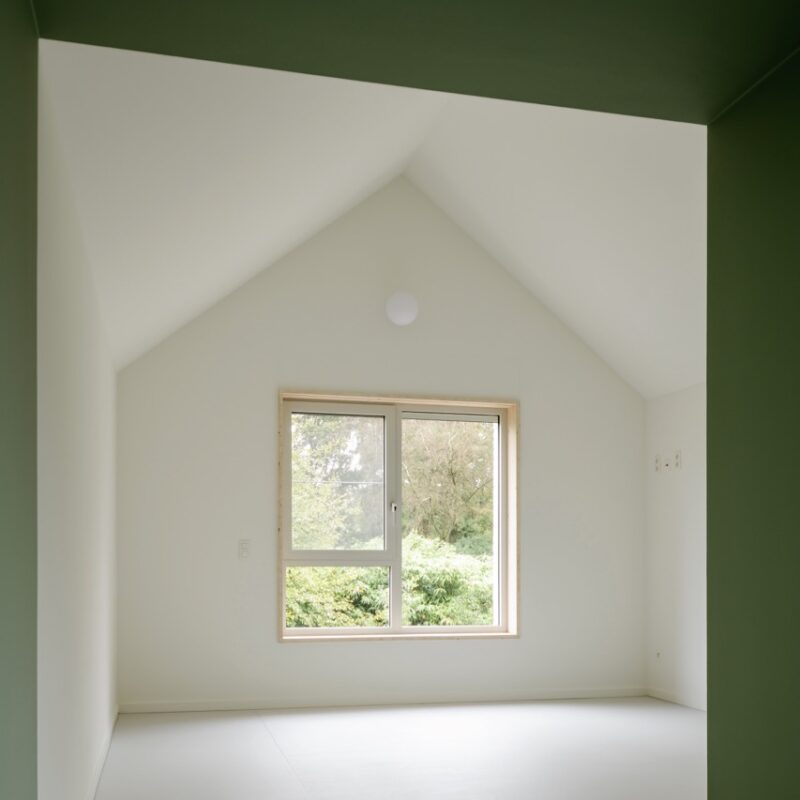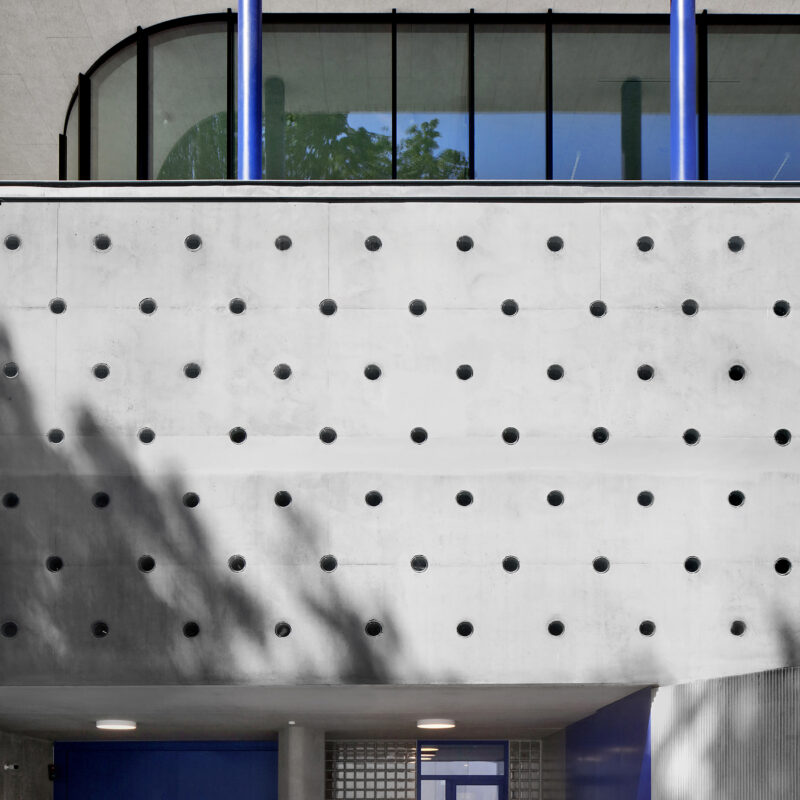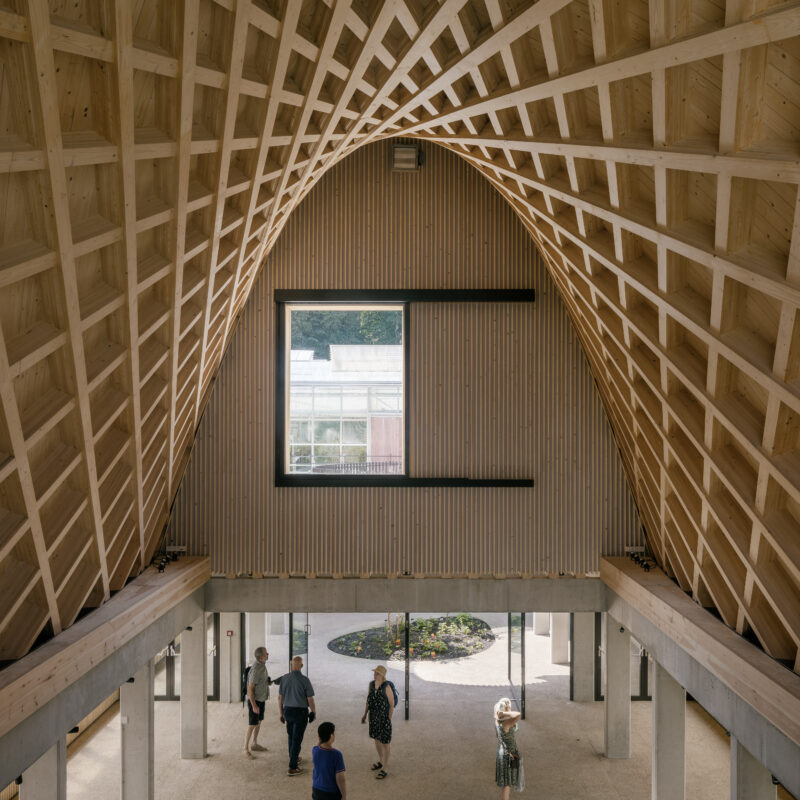
The renewed interest in bio-based materials is sparking debate in many architectural circles. Are raw earth, wood or straw really that much more sustainable than conventional materials such as brick or concrete? If they are less harmful to the environment, are they also effective? In academic circles, this ‘material turn’ has led to research and related publications on the quality of brick, wood or rammed earth, but also on the history of these and other materials and their applicability in architectural design. At the ULB’s Faculty of Architecture (La Cambre-Horta), Thomas Vilquin supervises final-year dissertations from this perspective. Rammed earth is a common theme that students eagerly seize upon for further research.
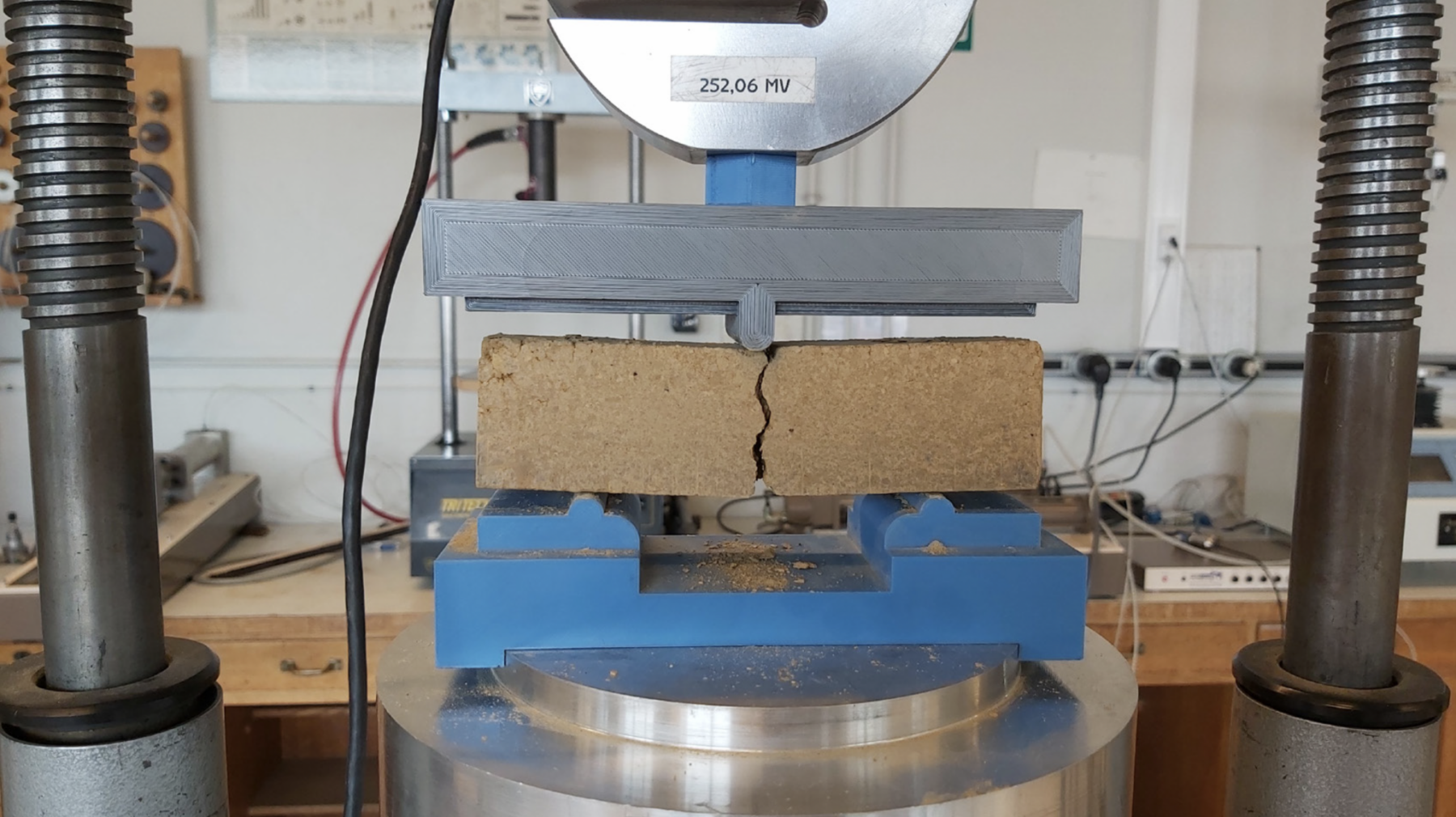
The theses, which often take two years to complete and result in a text of around 150 pages, involve close collaboration with engineers and specialists in the field. Following the example of the CRATerrre research group at the Grenoble School of Architecture (ENSAG), the programme thus contributes to the development of knowledge about building materials that can be applied within a professional context.