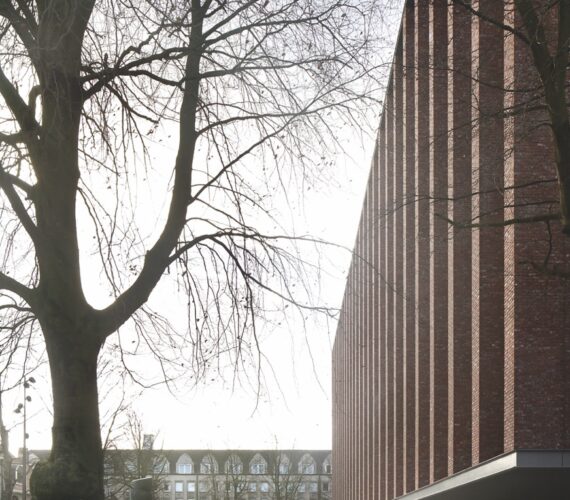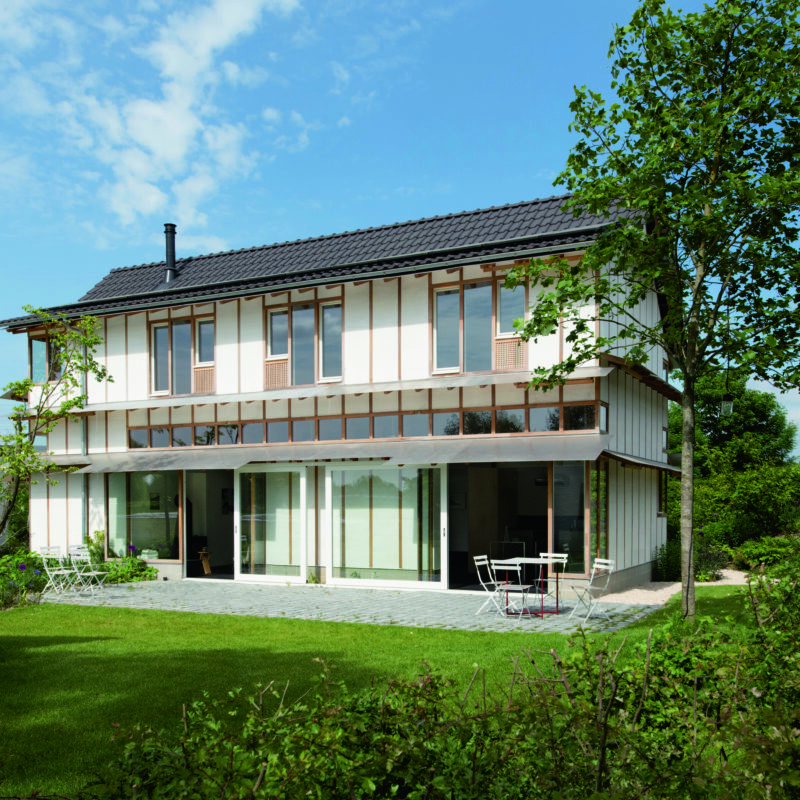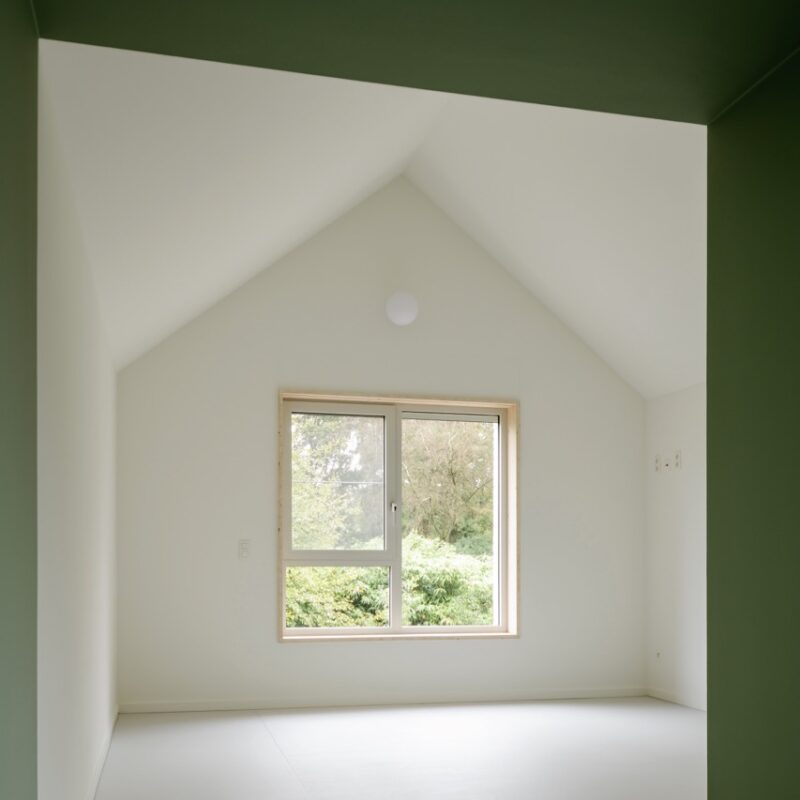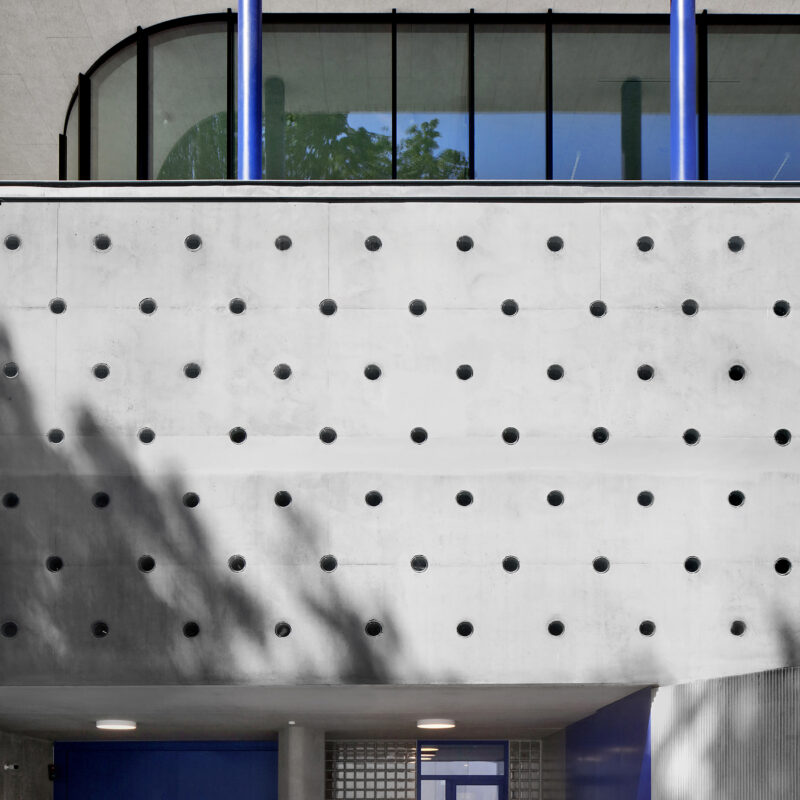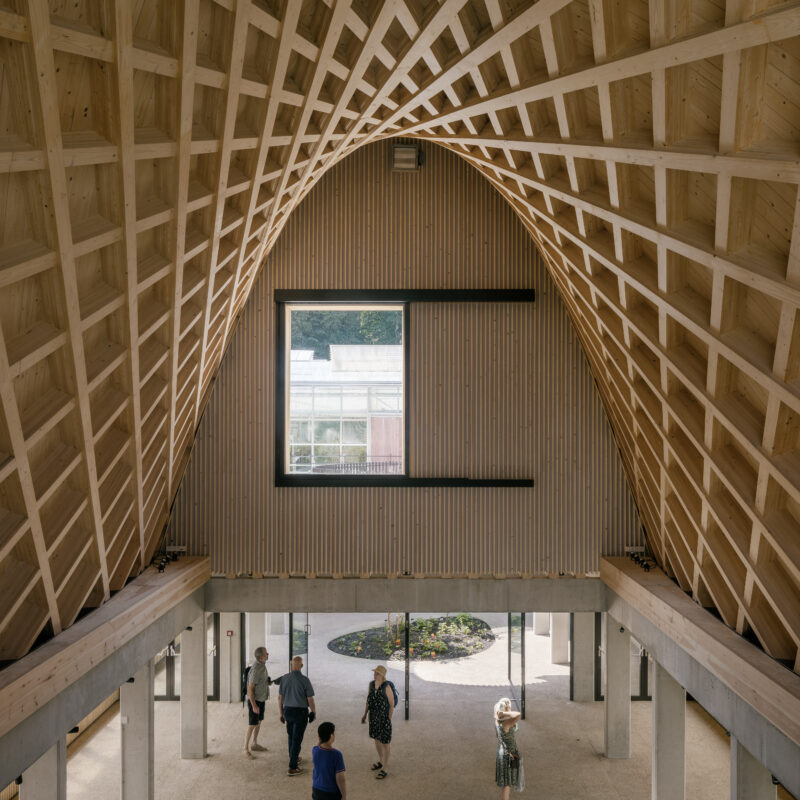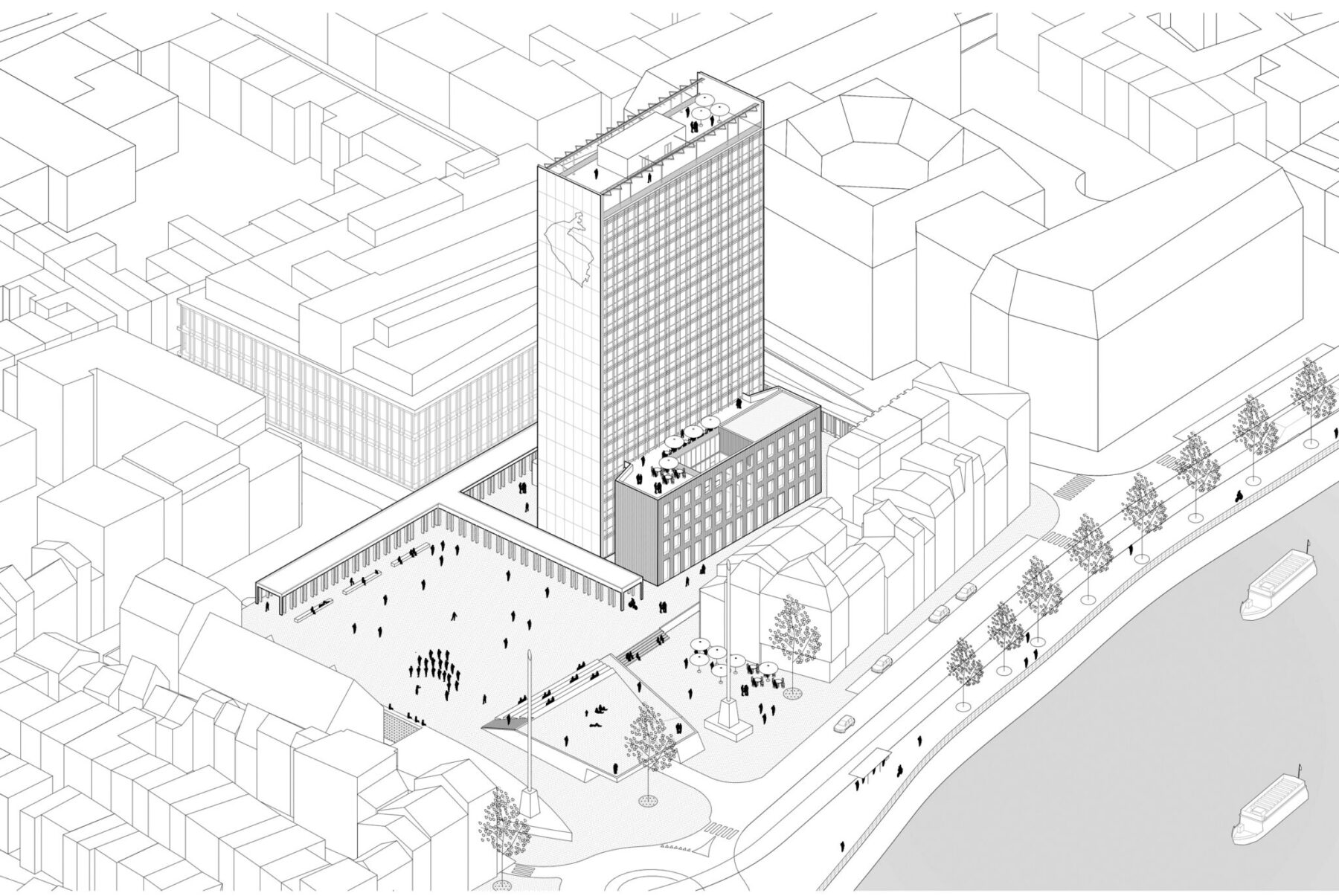
Two years ago, the COVID crisis brought the world to a standstill overnight. We had to reinvent everything: working, going to school, going out, even shopping became a challenge. This triggered a societal reflection: in the future, we will undoubtedly think very differently about ‘ideal’ living and working. In any case, offices will become smaller and fulfil very different needs. 1 1 Trans’ renovation of the office building on Aarlenstraat in Brussels has had a profound impact on the structure of the buildings by incorporating a different internal structure with larger open floor areas.
The COVID crisis led to a spectacular increase in teleworking. The federal government’s Economic Risk Management Group (ERMG) found that the share of teleworking between January and April 2021 was around 45 per cent, and employers suspect that teleworking is here to stay. Whereas employees previously worked from home for around 0.4 days per week, they are expected to do so for 1.3 days per week after the crisis. However, these averages conceal enormous sectoral differences: after all, a construction worker or a cashier cannot telework. In the tertiary sector, on the other hand, teleworking is already well established. Does this mean that the traditional office building is gradually becoming redundant?