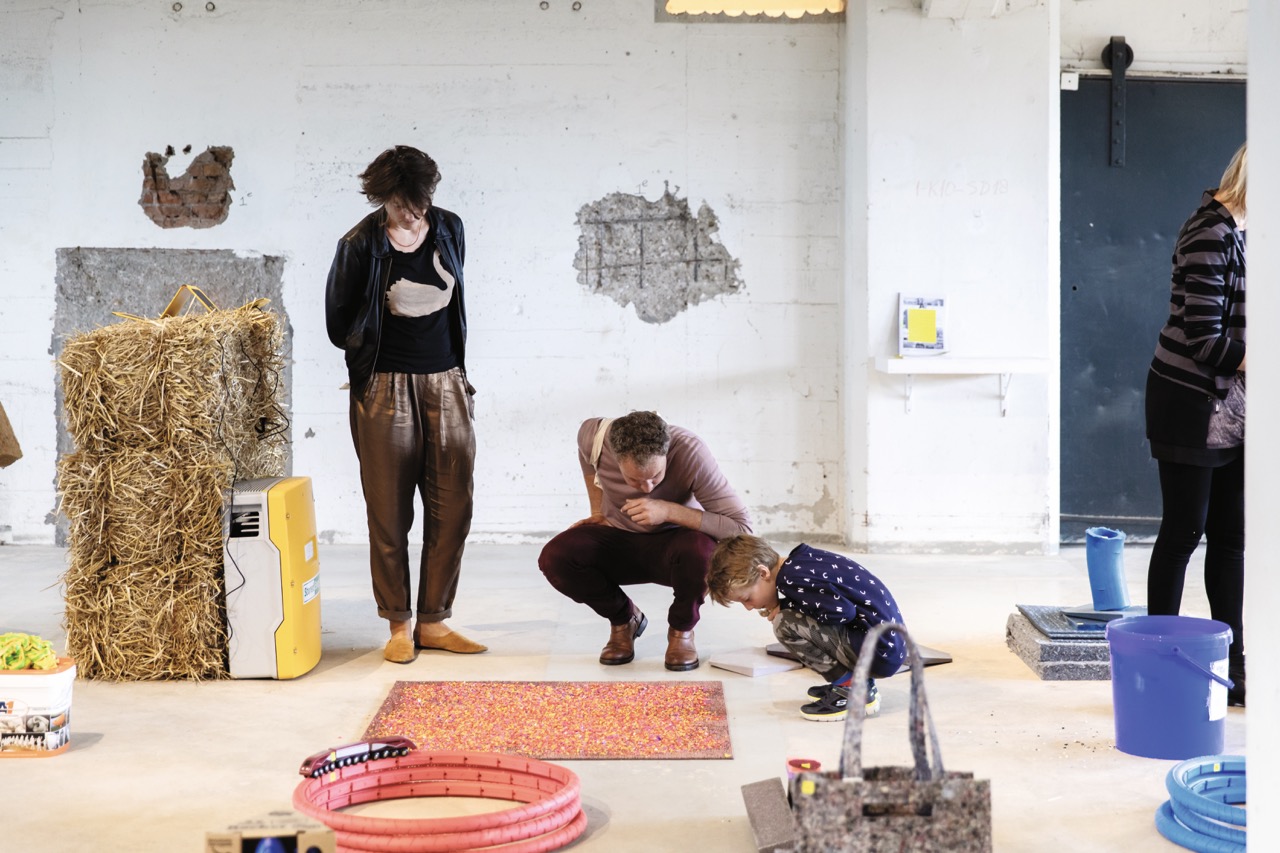
This year, the Rotterdam International Architecture Biennale is more ambitious than ever: two exhibitions (in Rotterdam and Brussels), three curators (Leo Van Broeck, Floris Alkemade and Joachim Declerck), and two editions (2018 and 2020). It is entirely dedicated to the climate agreements and the United Nations’ Sustainable Development Goals (SDGs). How can we prepare our living environment for the major global transitions in the areas of climate, water, energy, mobility and the economy?
The double edition presents itself as a ‘working biennial’ and promises results in 2020. So it is not yet time to take stock. However, it is important to understand what is at stake. That is why I would like to outline, in a few points, what I believe are the most important or most innovative ideas of this edition. What is the significance of the vast array of projects and practices on display? Where do the ambitions lie? What innovative approach or method does the biennial propose?