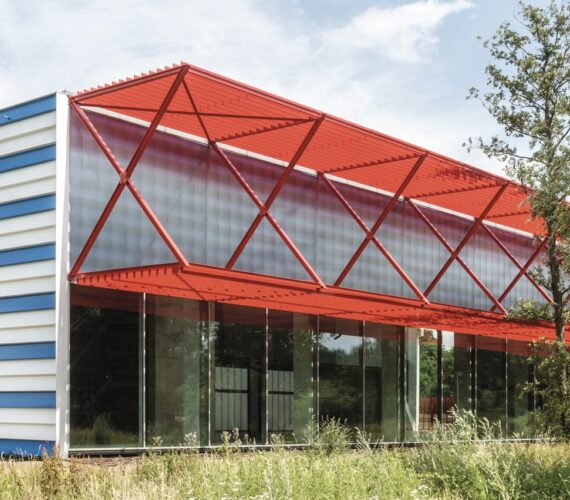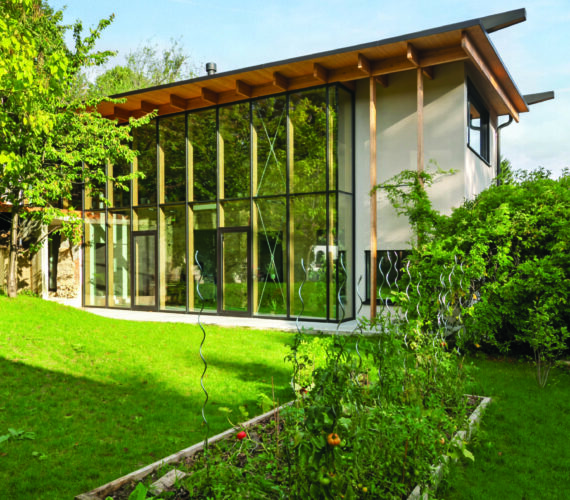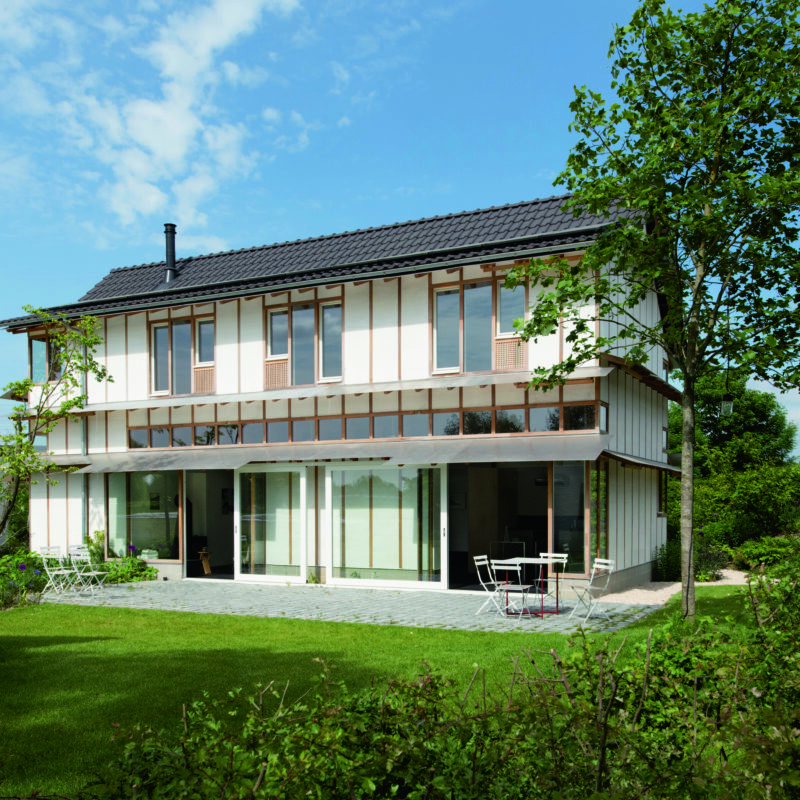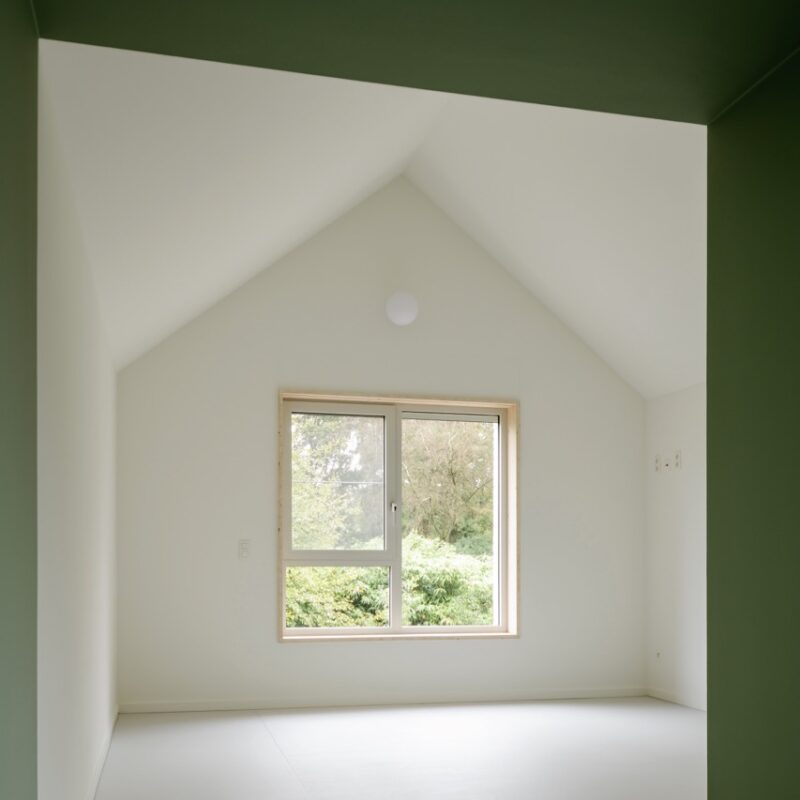
I have difficulty with sweeping generalisations. This applies equally to the adage that craftsmanship in architecture is all about small scale and attention to detail, and about reducing – or even completely eliminating – the gap between design and execution. The 2016 exhibition by the Flemish Architecture Institute, *Ensembles. Architecture and Craft, subtitled ‘The craftsman and the architect as two of a kind’, showcased projects by architects who had sought out craftsmen to create good architecture together. Craftsmanship was understood here as the romanticised collaboration between architect and builder. Architecture that thus manifests itself in the execution (of the detail), and is thereby reduced to ‘artistic craftsmanship or bespoke work’, created in situ and often as a one-off.
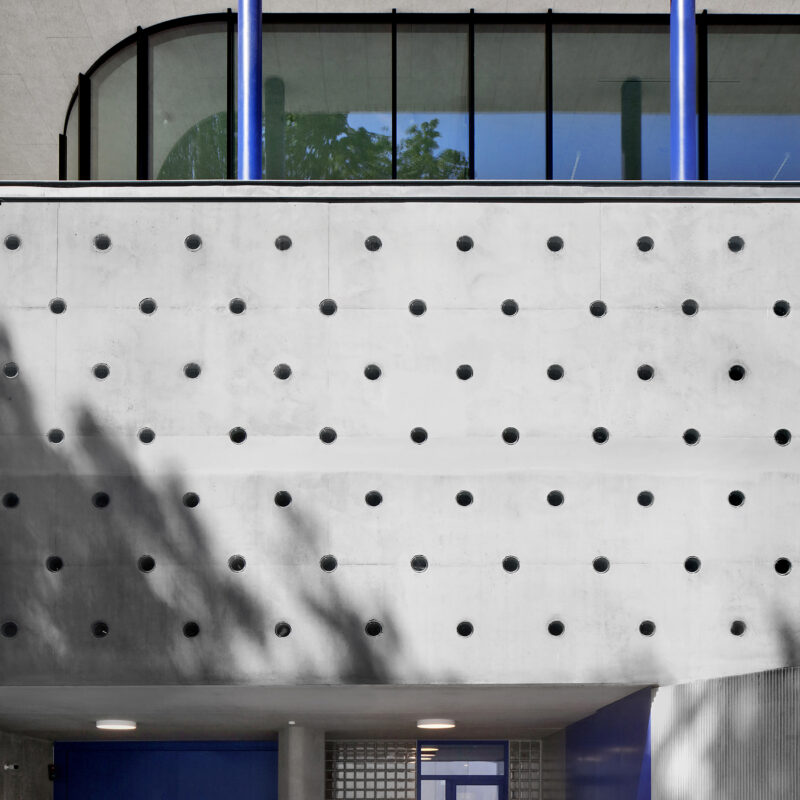
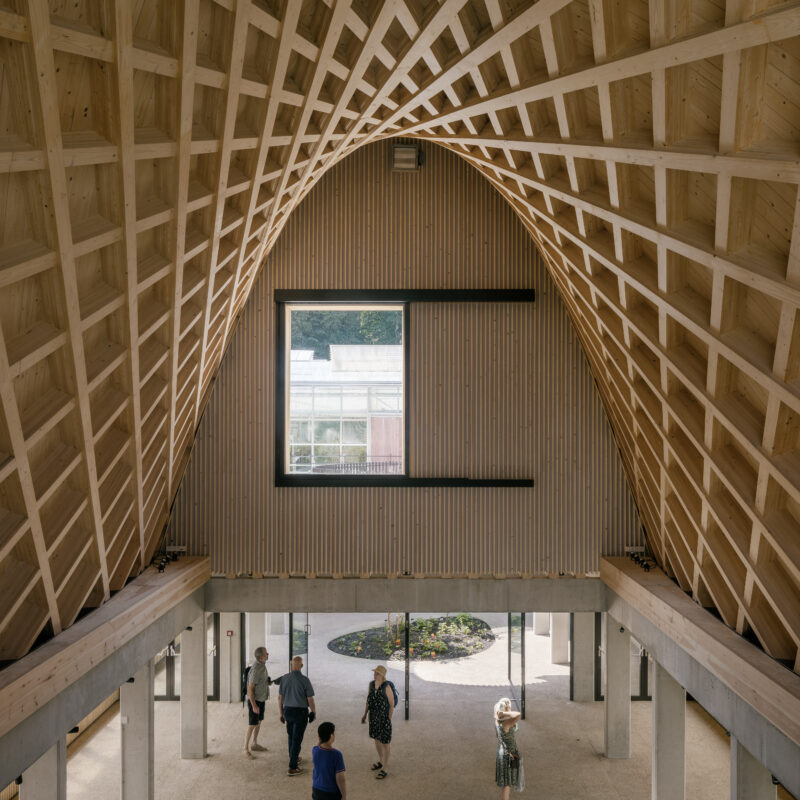
Of course, contemporary brickwork, complex concrete geometry or a distinctive timber joint may succeed as a unique experiment. But in my view, craftsmanship can no longer be solely about that. In public commissions, which are realised through a public tender process, it is simply not realistic to have complex details executed on site by a contractor and builder whom, as an architect, you have not been able to choose yourself or know in advance. It is also becoming increasingly difficult for contractors to find skilled tradespeople, which means that the preparatory phase – starting with the architect’s drafting of the design and the tender documentation – is gaining in importance. In that sense, one could say that craftsmanship is shifting from the execution phase to the initial phase.