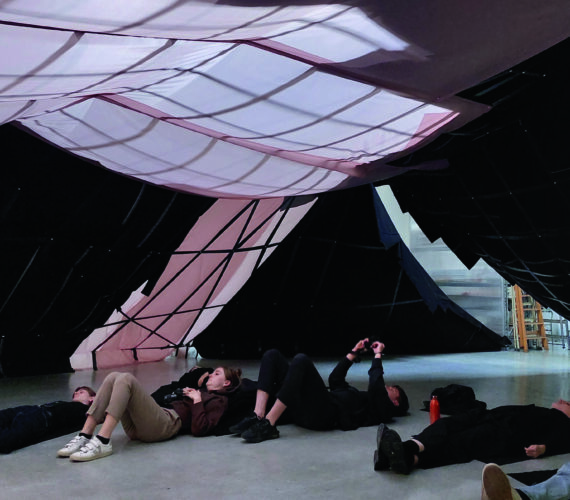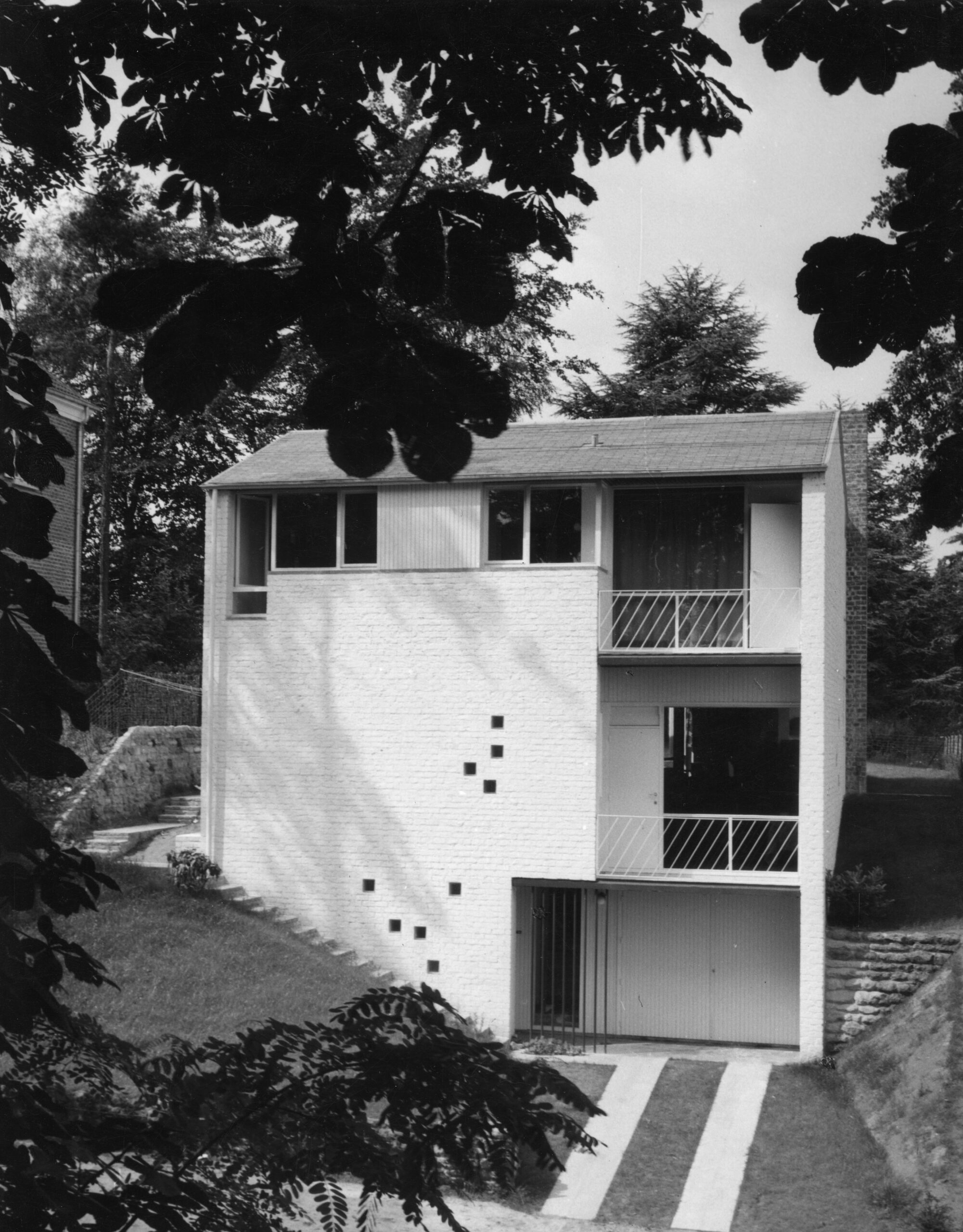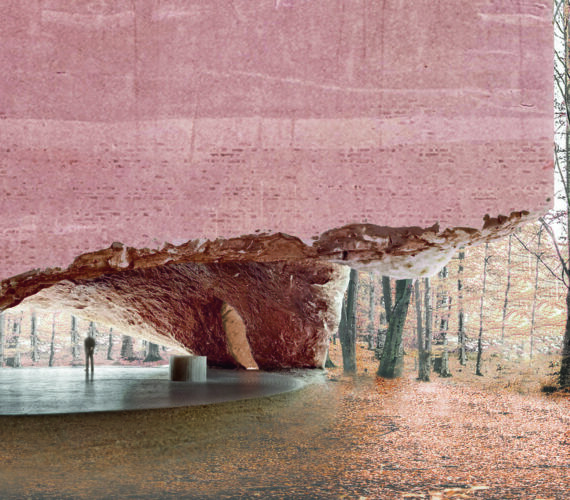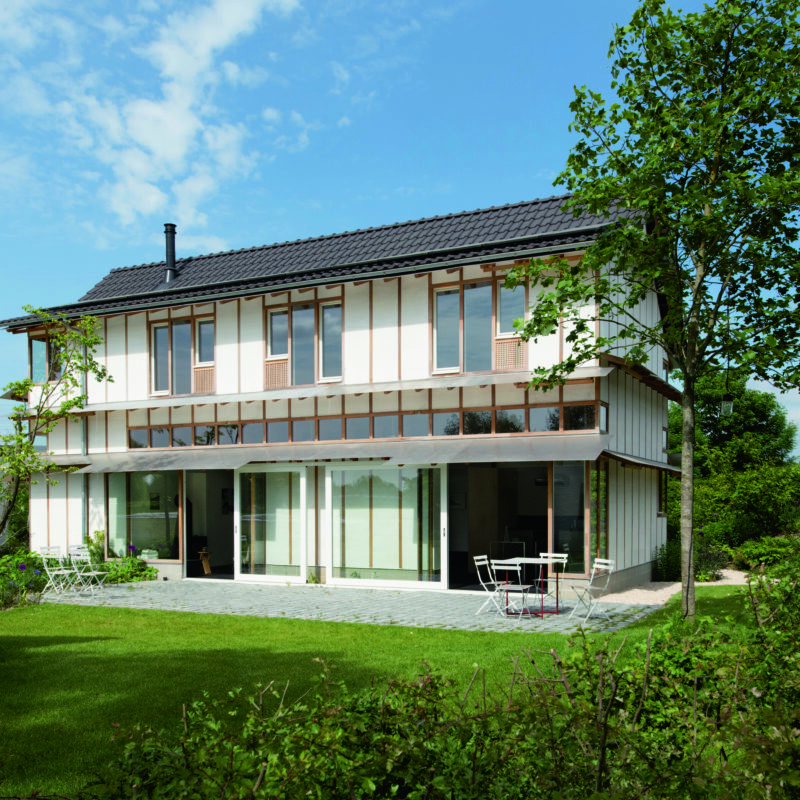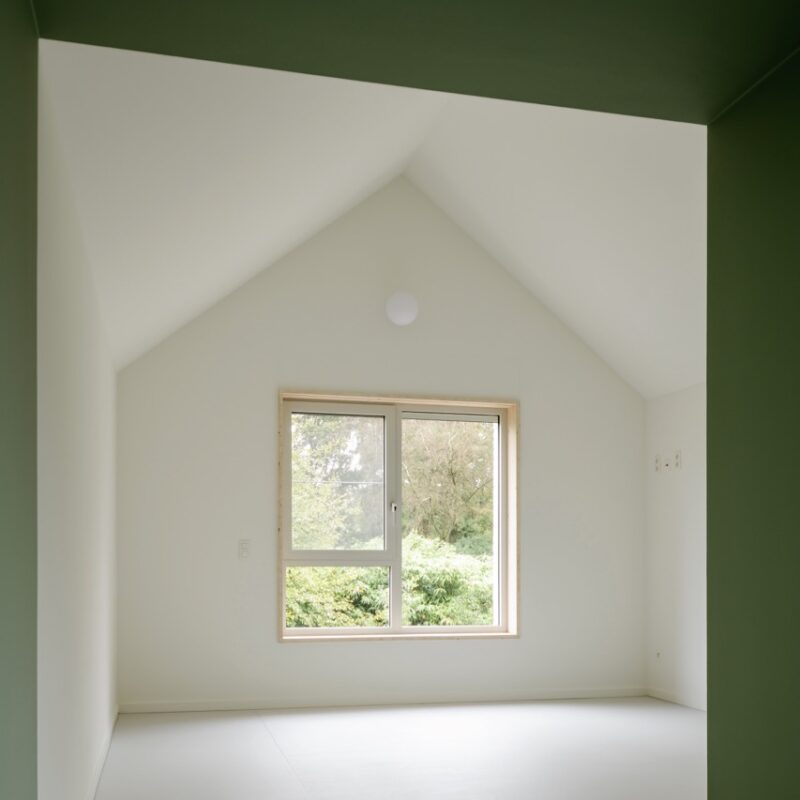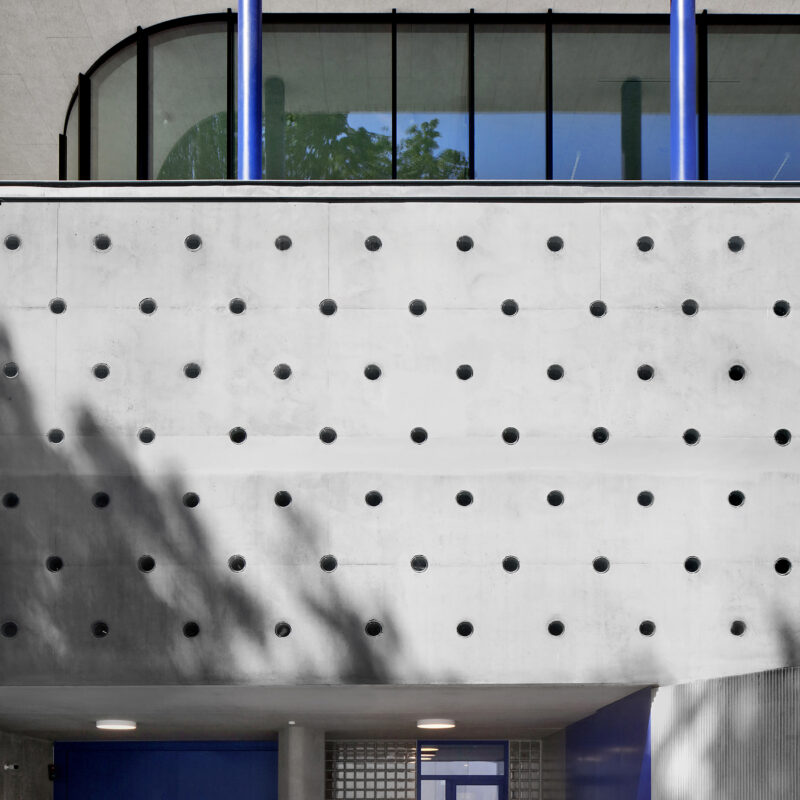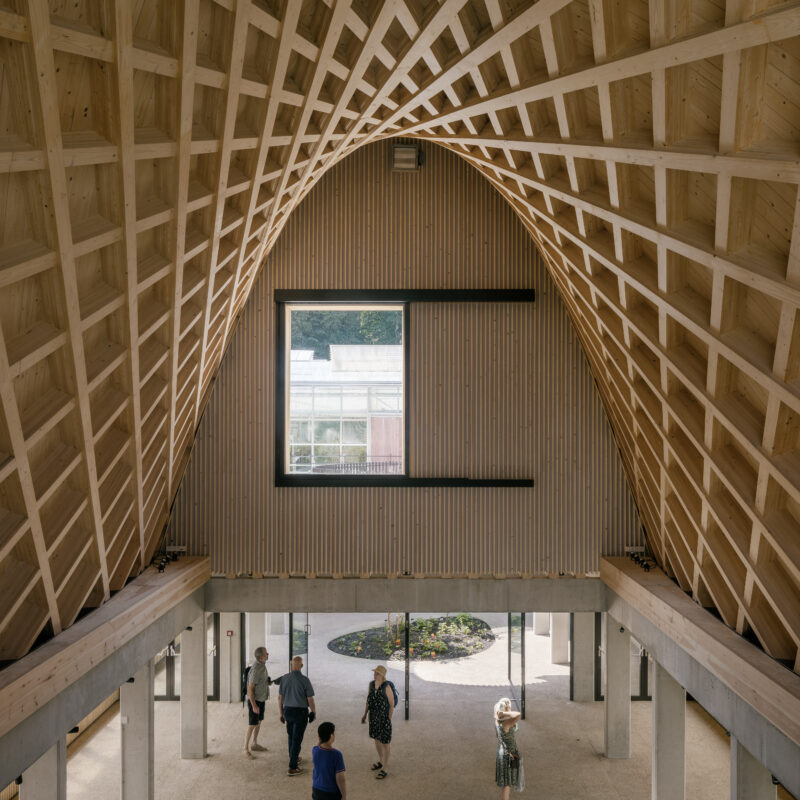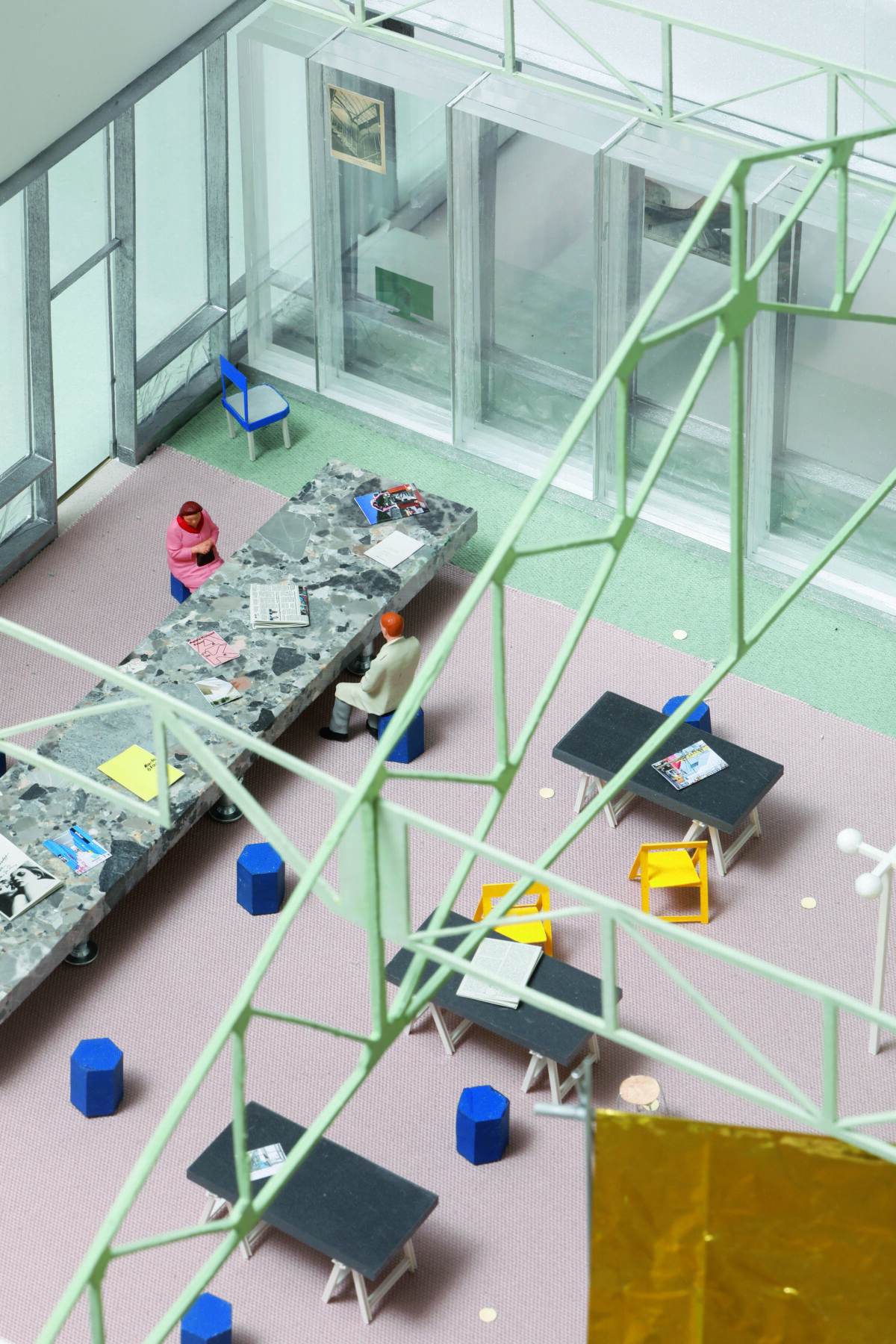
In the interwar period, modernists did away with anything that smacked of decoration and embellishment. They preached transparency, constructive honesty and functional design. Wallpaper and carpets were out of the question. Everything was given its rightful place. However, in Vienna in particular, a significant group of modern architects opposed this view, because they considered the user’s experience and agency to be more important than dictatorial purity. These designers emphasised the importance of tactile materials, carpets and curtains, comfort, good acoustics and flexibility. Their influence is still felt today. This is evident in the designs for a bookshop and restaurant in Kanal-Centre Pompidou in Brussels.
For Adolf Loos, the interior of a home should first and foremost give its occupants a pleasant feeling. Textiles, in the form of curtains, rugs, tapestries (or decorative stone or wood panelling), should contribute to this. For him, architecture played only a supporting role, as a carrier of this decoration. Loos borrowed this Prinzip der Bekleidung (principle of covering) from the German architect and theorist Gottfried Semper. Semper had previously argued that the tent, a house made of textiles, was the oldest form of building and living.