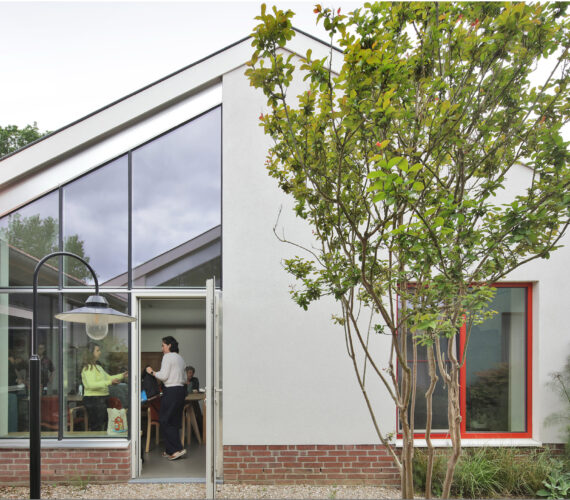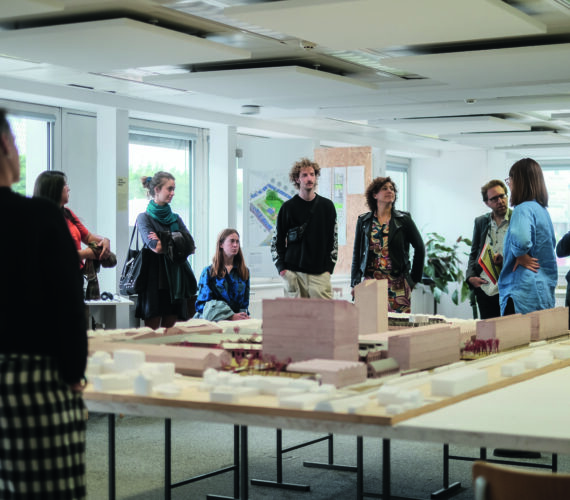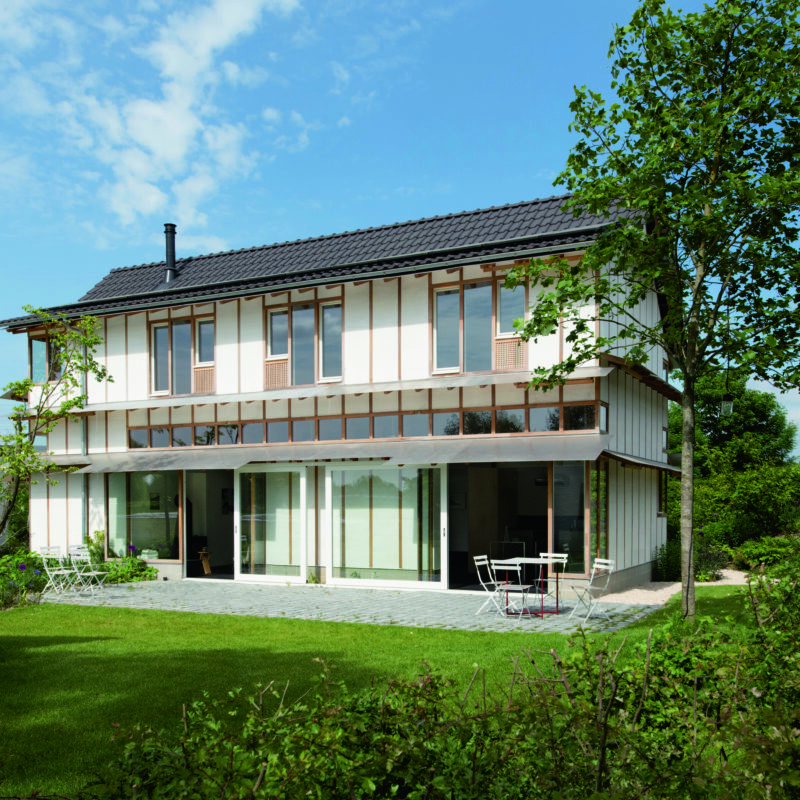
Architectural policy may be a regional matter, but the most concrete decisions are made locally. After speaking to the architects Peter Vanden Abeele, Christian Rapp and Georgios Maïllis, the City Architects of Ghent, Antwerp and Charleroi, respectively, A+ maps out the means each of them uses to build their city.
‘A City or Government Architect can develop policy instruments, but is primarily a policy instrument himself.’ So says Georgios Maïllis, Charleroi City Architect since 2013 who started his third and final four-year mandate on 1 October of this year. ‘A City or Government Architect must serve the political project of the mayor and aldermen and therefore, indirectly, the citizens. My team and I work with the administration, but we are not part of it. It is important that we maintain our independence from the administration at all times, otherwise we cannot perform our duties properly.’ Christian Rapp, Antwerp City Architect since 2016 and on his second five-year mandate, agrees. ‘As City Architect, you live by the grace of the trust the political administration has in you’, he says. He does not see himself as a policymaker, for that matter. ‘Part of my core mission is to form a bridge between the administration I coach and the policy I advise. Sometimes I disagree with that policy, but then I discuss that internally, I don’t shout it from the rooftops.’ The relation with the (urban planning) administration and the various city departments is not always unambiguous. These departments have often been functioning for several decades before the position of City Architect was created. Peter Vanden Abeele became the first Ghent City Architect in 2017 for a six-year mandate and paved the way in recent years for more discussion on architectural quality. ‘I see my role not only as a bridge-builder between administration and politics, but also as a transversal player who brings the different city departments together around the table.’