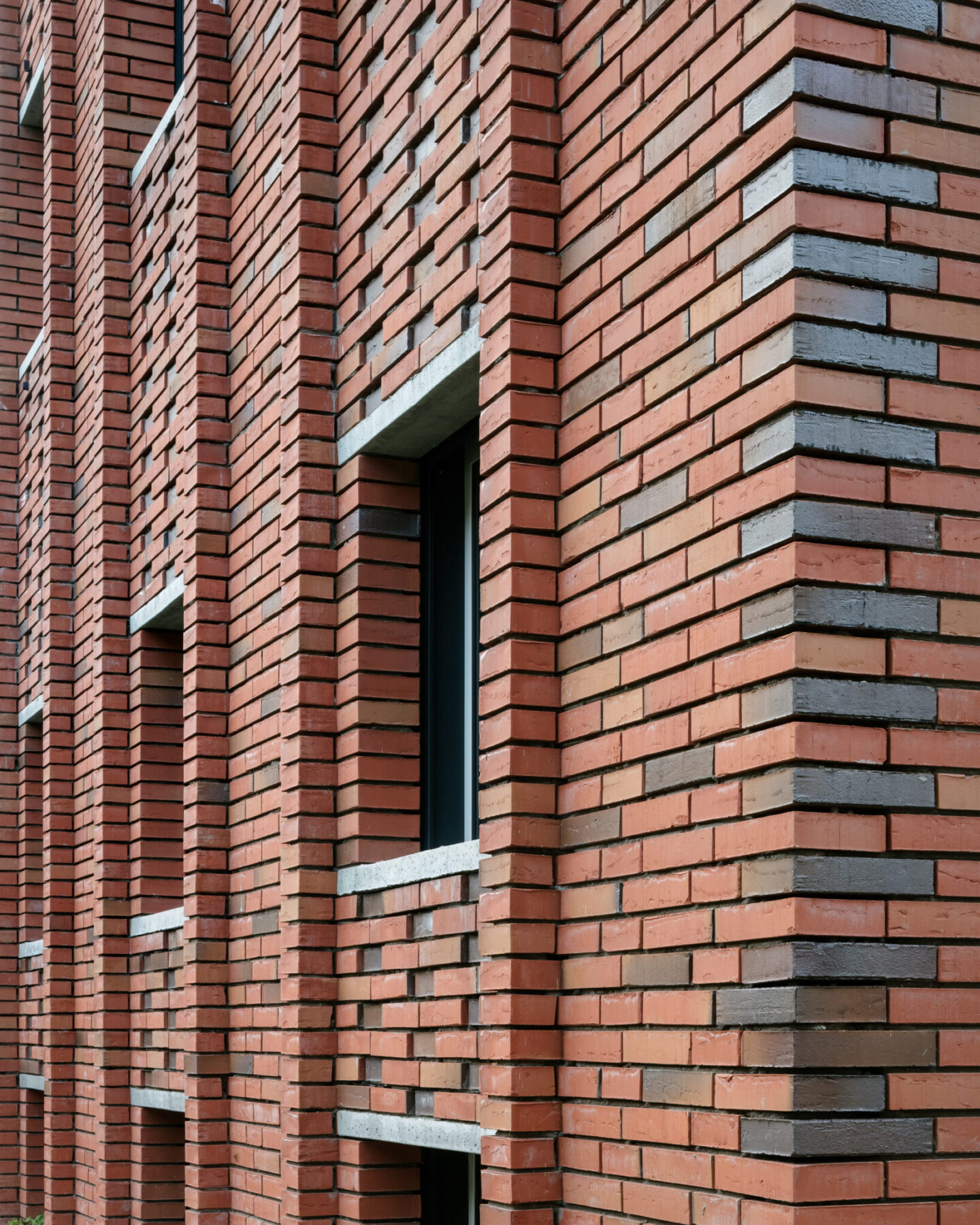
Brick is ubiquitous. It is found in all registers of our built environment, as literally the smallest building block of a tough and layered material structure, and in our landscape, which is marked by land reclamation. Brick is also ‘in our stomachs’, in the self-image of our society. The material is the cynical ambassador of our problematic use of space, our fiscal-spatial underpinning, land parcelling habits, wild construction and DIY logic, and at the same time the bearer of a virtuoso and rich architectural and building culture. From the mascot of the country’s largest construction fair to the logo of the latest edition of Architecture Day. Brick seems to represent and legitimise construction itself in all its forms and aspects.
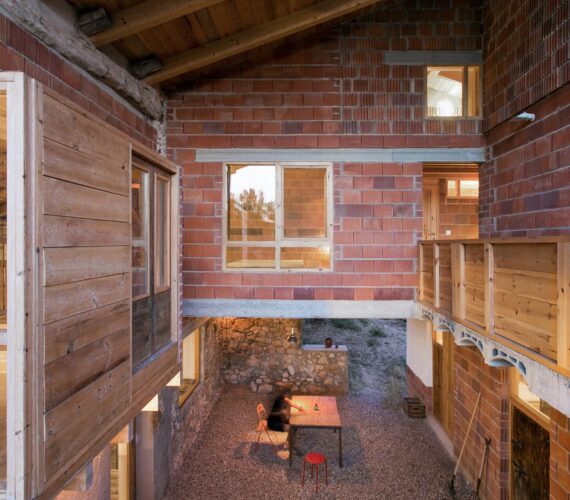
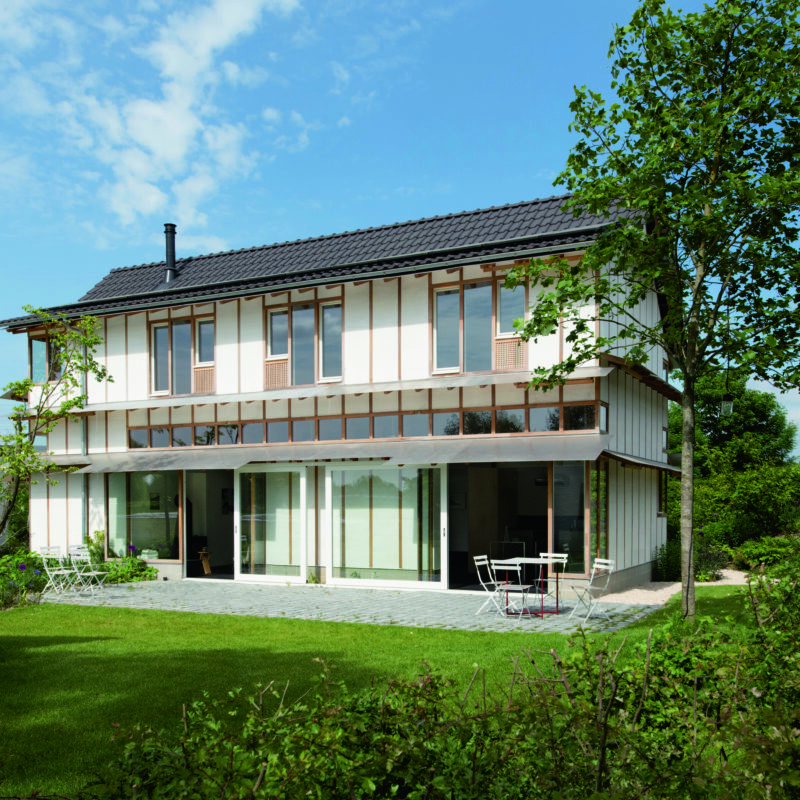
For 18 years, Blaf architects has been conducting research and investigation, focusing on the impact of challenges and policies relating to climate, energy and raw materials on the design, construction and affordability of architecture1. Since the dnA house in Ternat, a Blaf project completed in 2013, an interest and fascination with brick has been added to this. No other material has ever given us such direct access to so many layers of meaning and social references. From the raw material, recipe, baking method, format, processing, cost price and sustainability of the material to the possible associations that brick evokes in a particular context: from poverty, simplicity, functionality and authenticity to wealth, complexity, ornamentation, authorship and representation. The more we use, study and try to understand brick, the more we can characterise the material as a source of contradictions and inconsistencies. These tensions have earned brick a special place in the poetics of Belgian architecture. In what follows, we will address two ‘brick paradoxes’ that concern us in practice: that of sustainability, and that of bearing versus cladding. Due to its intrinsic properties, brick is the material par excellence that invites an essayistic approach. As will become apparent, this makes it an advocate for design and construction research. 1 A. Hendrickx. ‘The (research) practice’ in Yearbook Architecture in Flanders #14, 2020