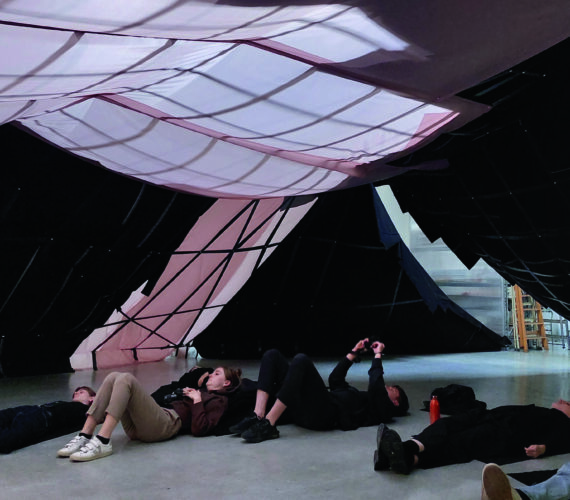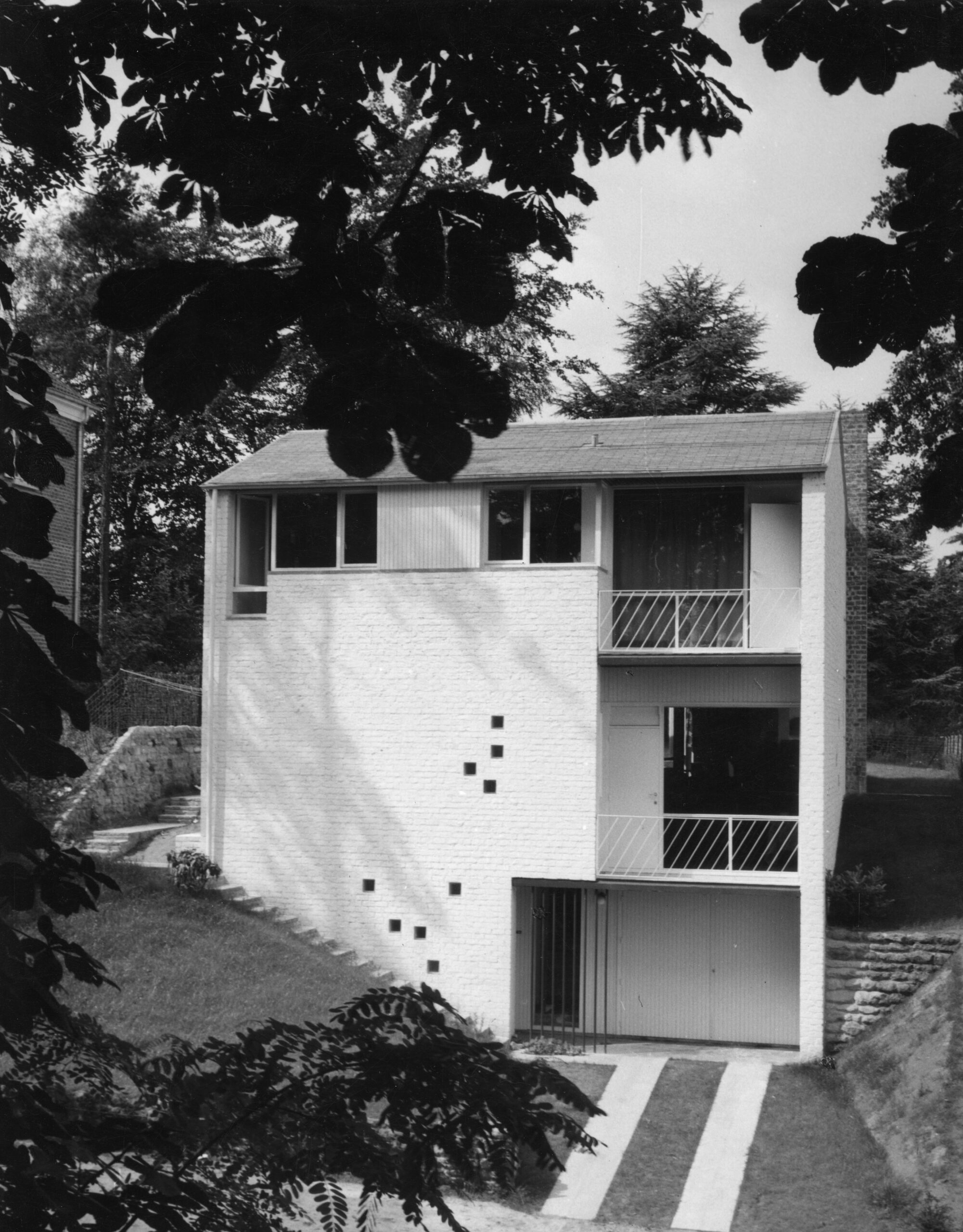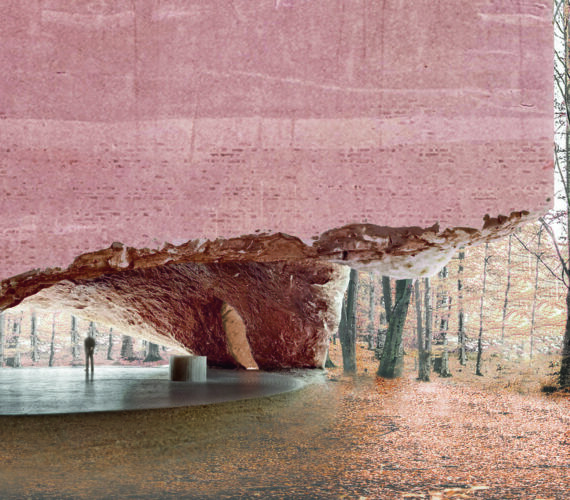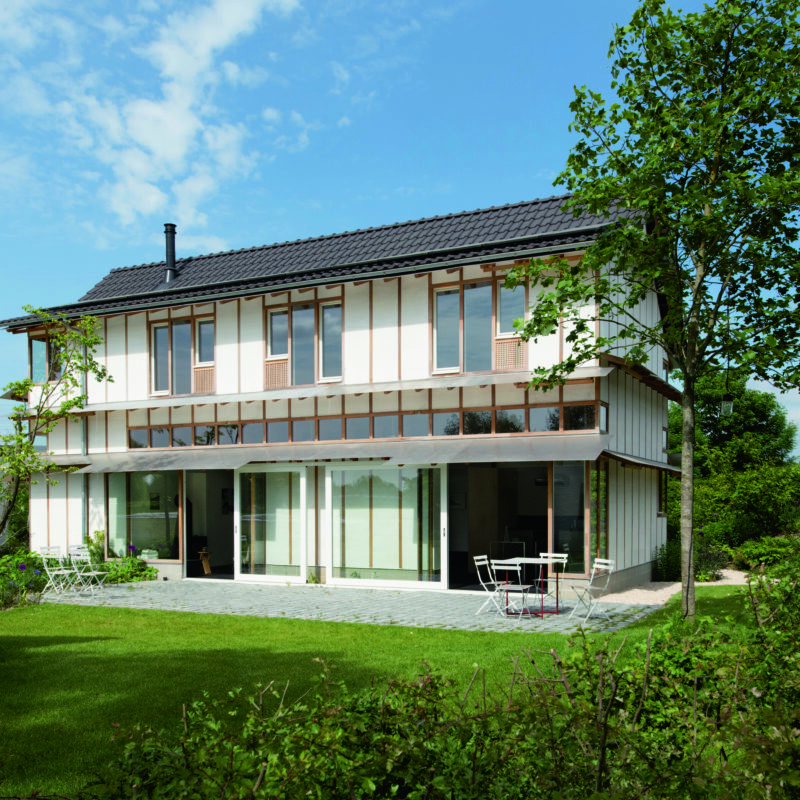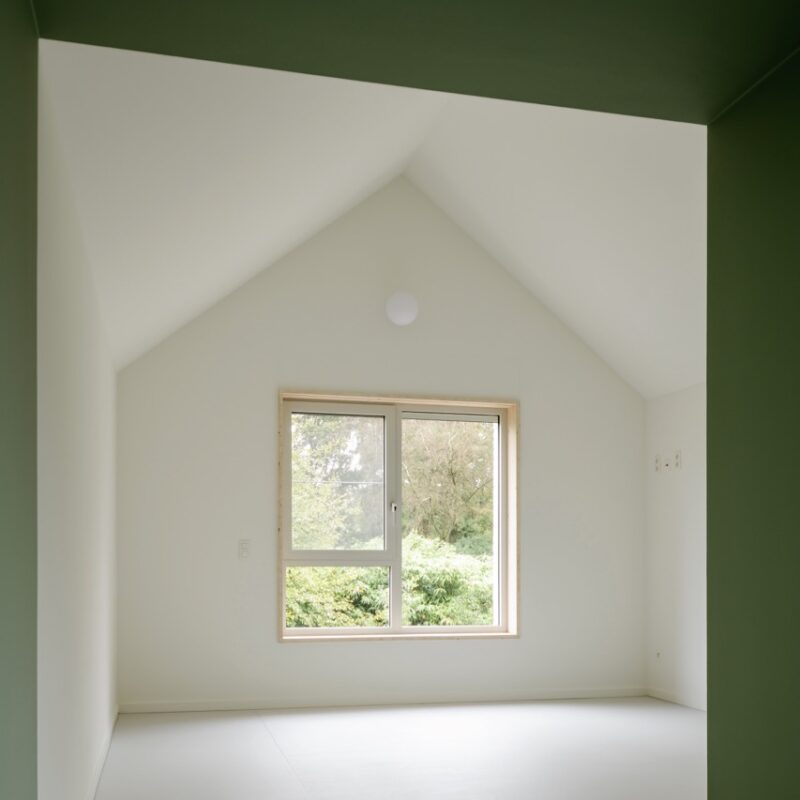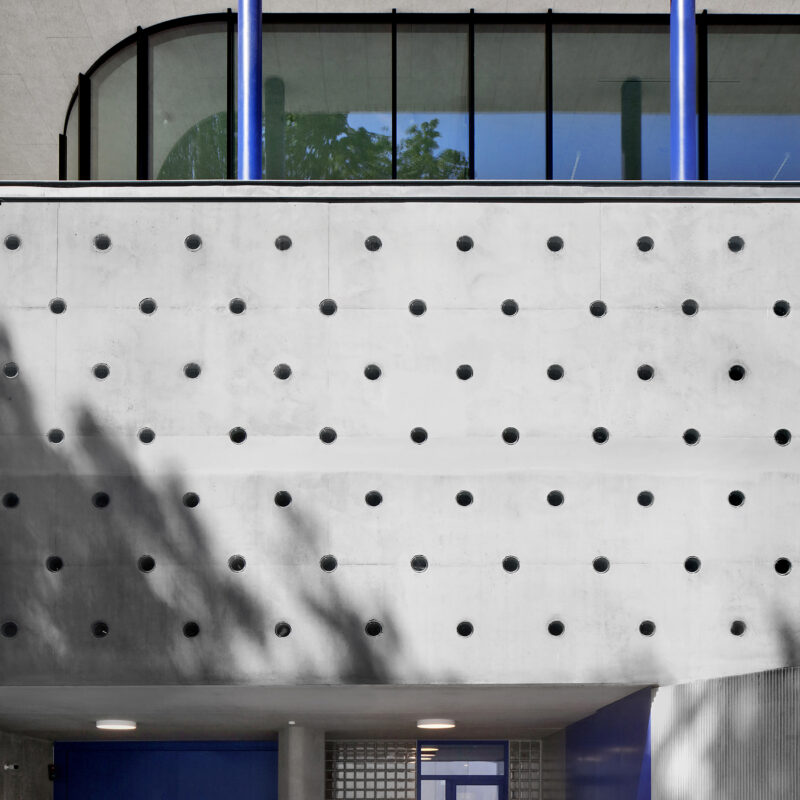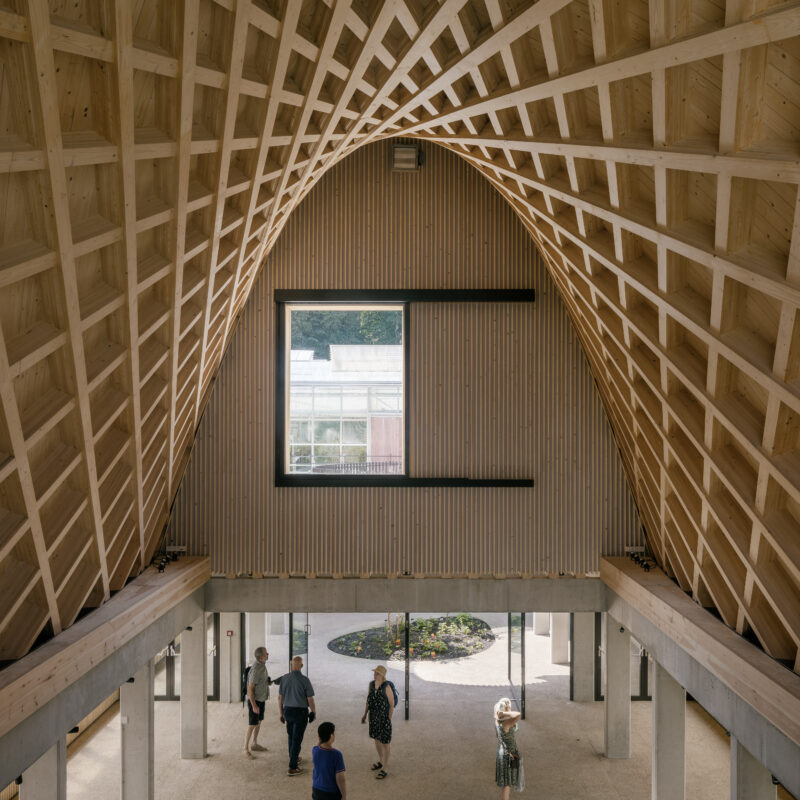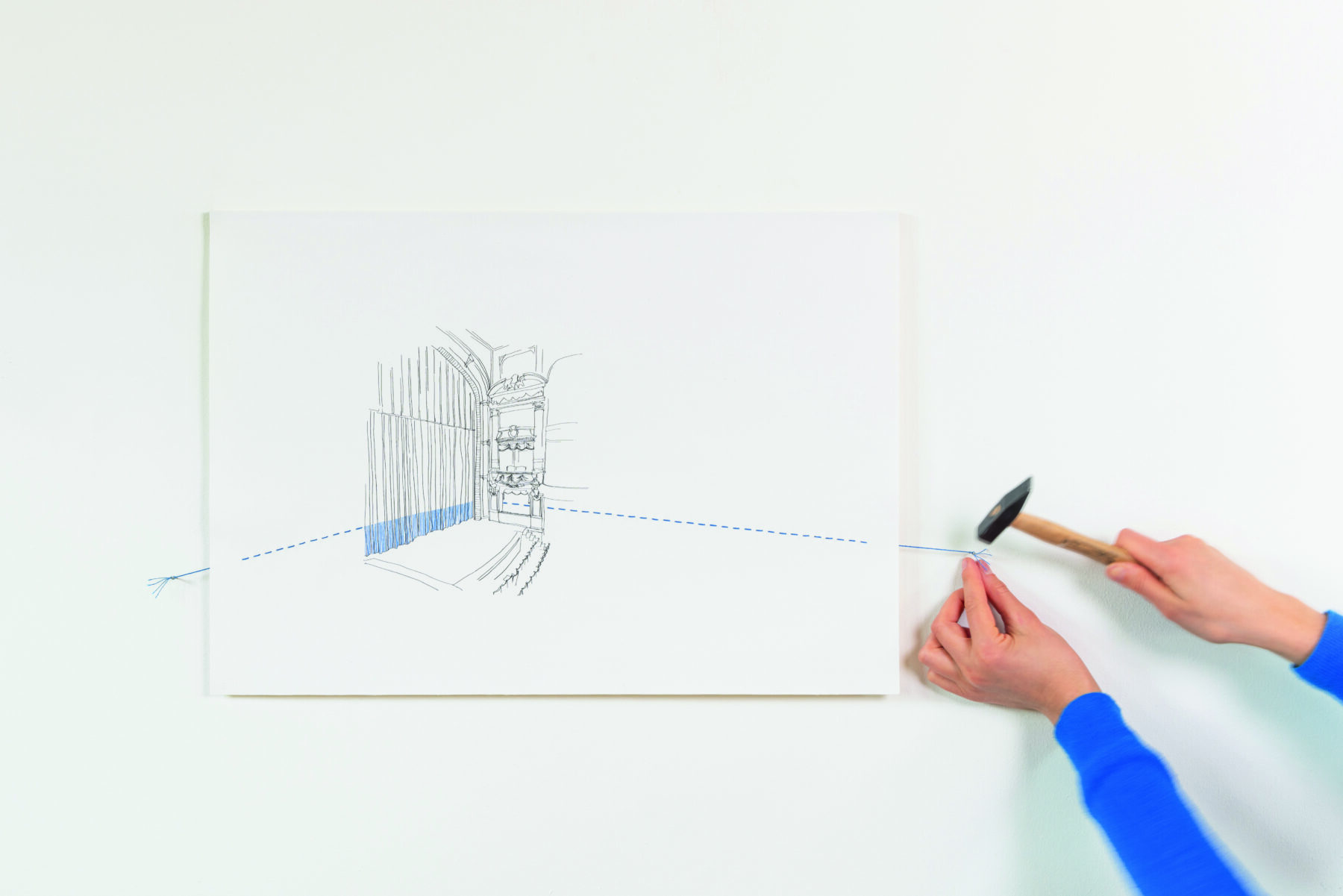
From the Palaeolithic era to the present day, textiles have been used in architecture for their structural, functional and ornamental qualities. They articulate and transform space through their texture, transparency or opacity, colours, porosity or impermeability, etc. Beyond their utilitarian use, textiles act as a “metaphor” for architecture, evoking its enveloping, connecting, communicating, insulating and protective qualities. But they also convey symbols, culture and emotion.
Textiles, sometimes disregarded throughout history, are now attracting the attention of theorists and researchers, artists and historians, inspiring research, exhibitions and publications1. In the Wallonia-Brussels Federation, there is growing interest in textiles in the context of the so-called “artistic percentage” integration in public architectural projects. As a reminder, the decree of 10 May 1984 provides for the integration of a work of art in public buildings or during works affecting them. It also applies to private legal entities when they receive a grant from the FWB for the construction or refurbishment of buildings. The amount allocated to the work is calculated on the basis of a sliding scale of 1% of the contract value or 2% of this amount when the FWB awards a grant. 1 Didem Ekici, Patricia Blessing, Basile Baudez, Textile in Architecture. From the Middle Ages to Modernism, Routledge, Oxon, 2023.