For me, collective housing is a fascinating programme because it questions in a most intense manner the role and place of the architect. What authority and legitimacy do architects have in designing the daily and intimate living environment of users they do not know (the future residents who will succeed one another) and whom they cannot meet or consult during the design process? How can they be generous without being able to tailor their project specifically to users? How can they be generous without being generic, without providing standardized responses? For me, every housing project seeks, in one way or another, to meet this challenge, to try and provide answers to these stimulating questions. Flexibility is one such answer.
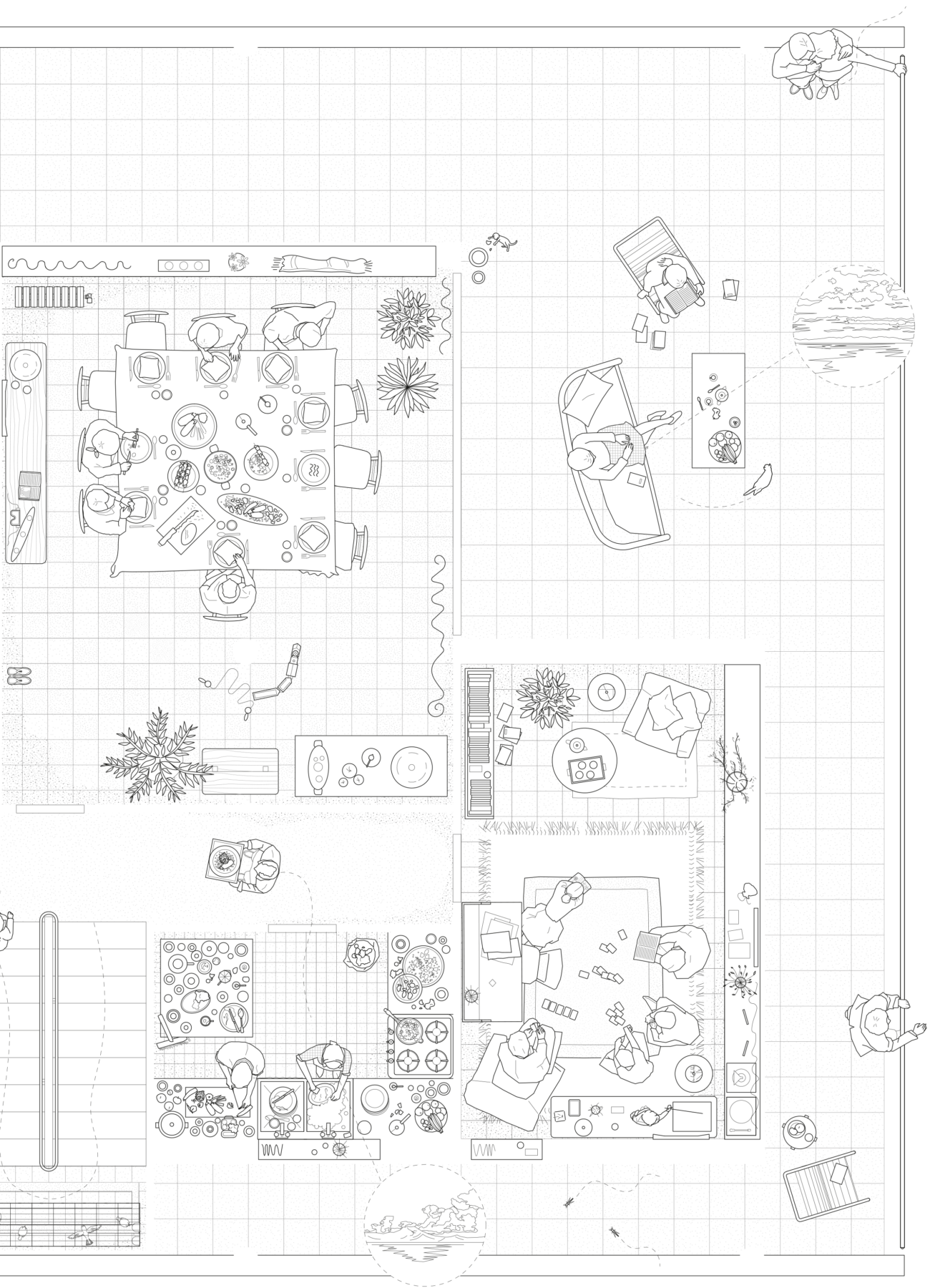
Designing a flexible project in no way means designing in a standard or generic way, quite the contrary. A generic plan is not stimulating for residents; it does not trigger anything in them. However, specific (and flexible) space opens up possibilities and allows residents to break out of pre-established models to turn their home into their own project. This is the fruitful paradox of flexible architecture. It gives residents the freedom to react to and interpret the space designed by the architect.