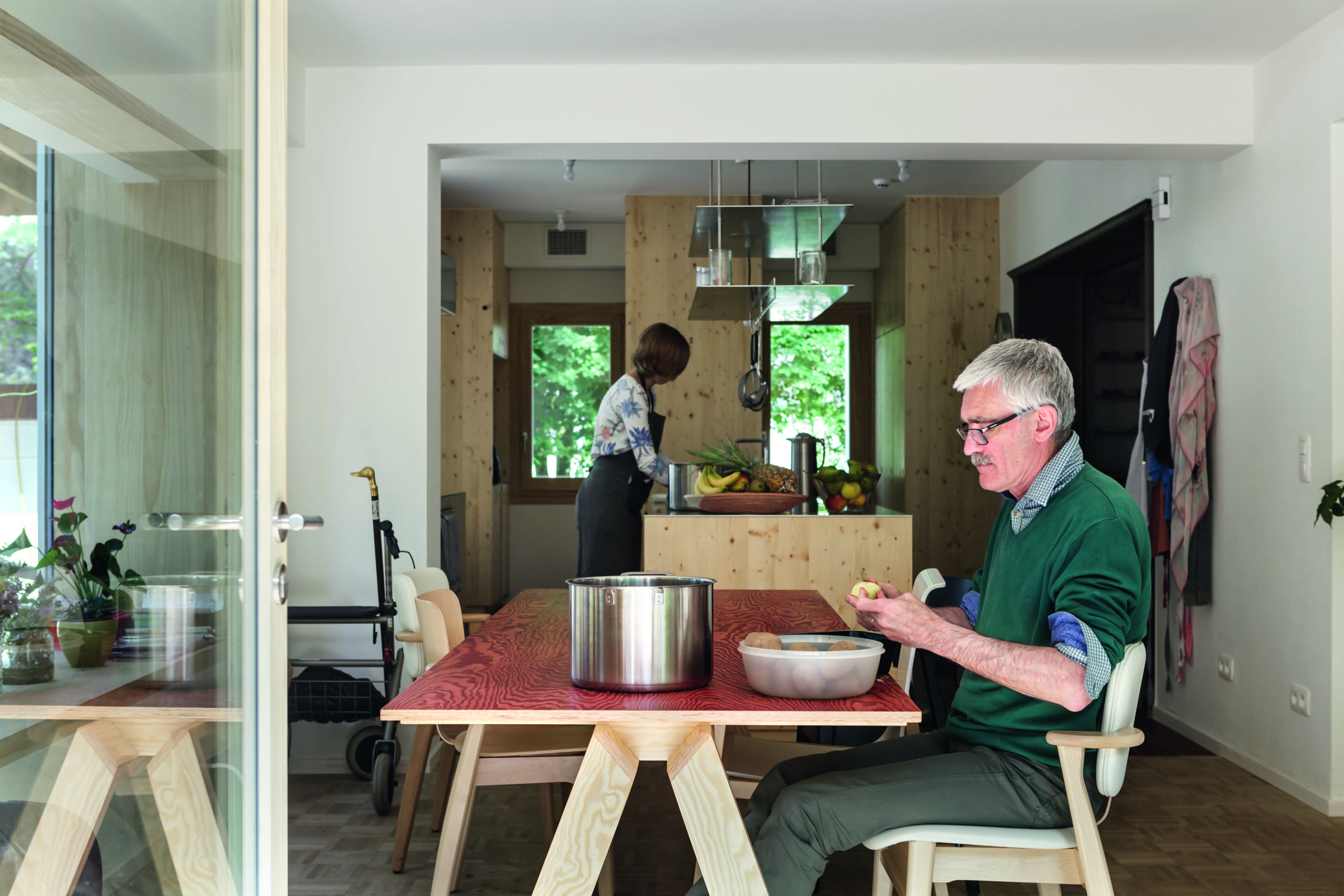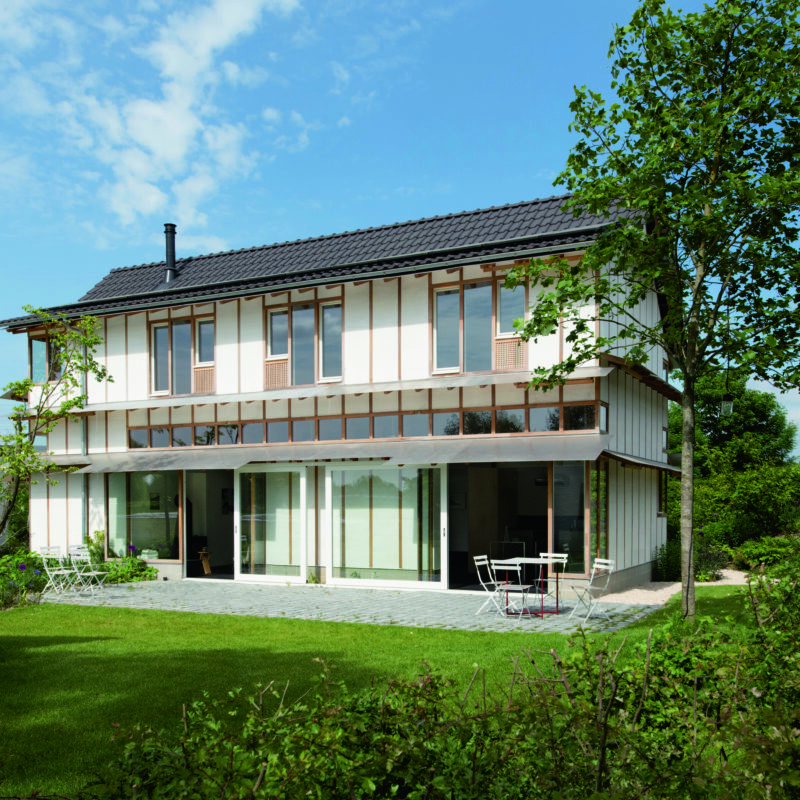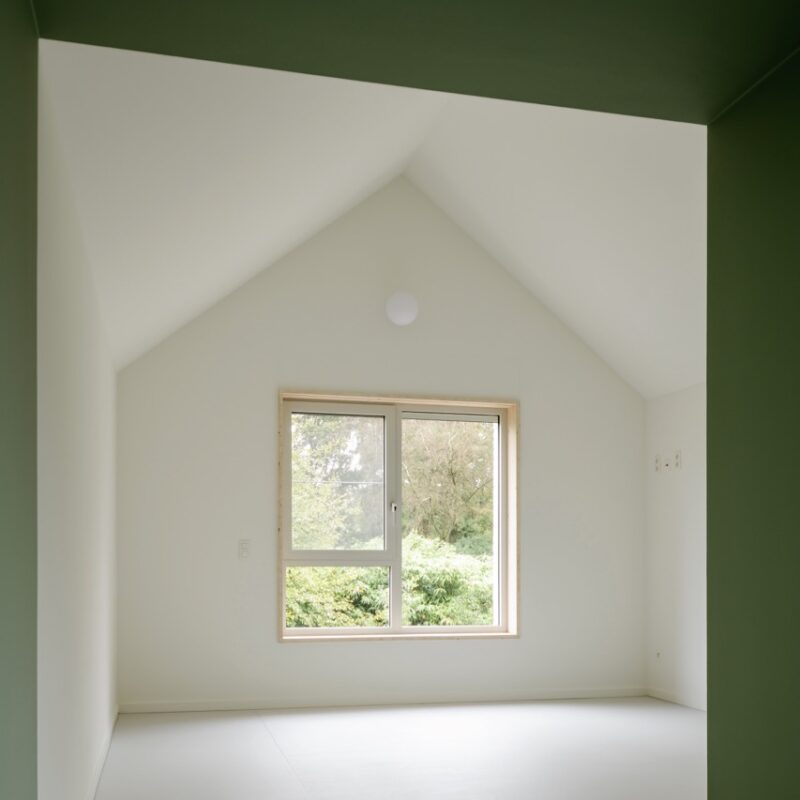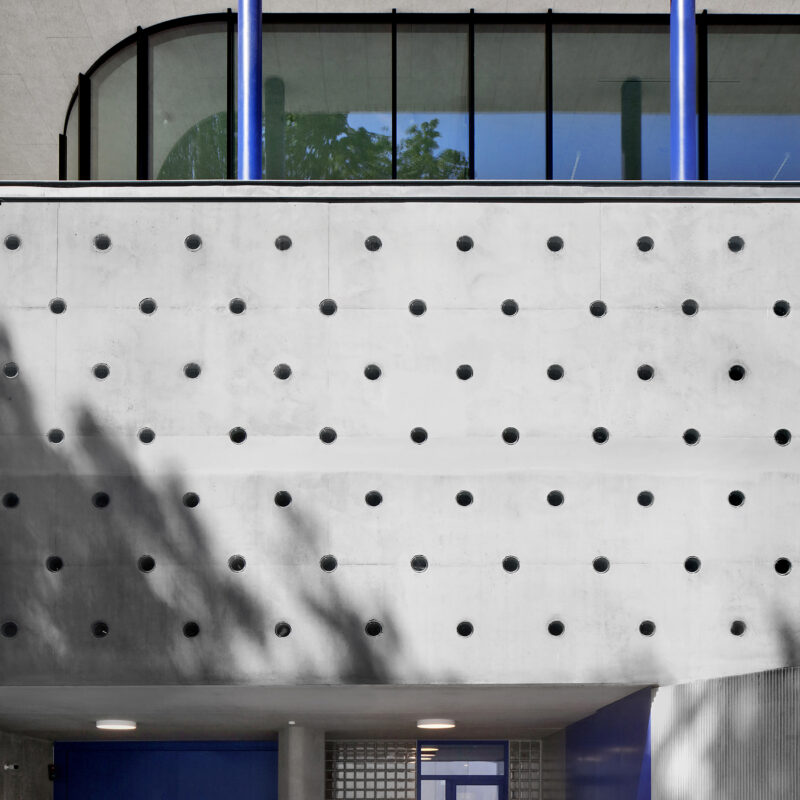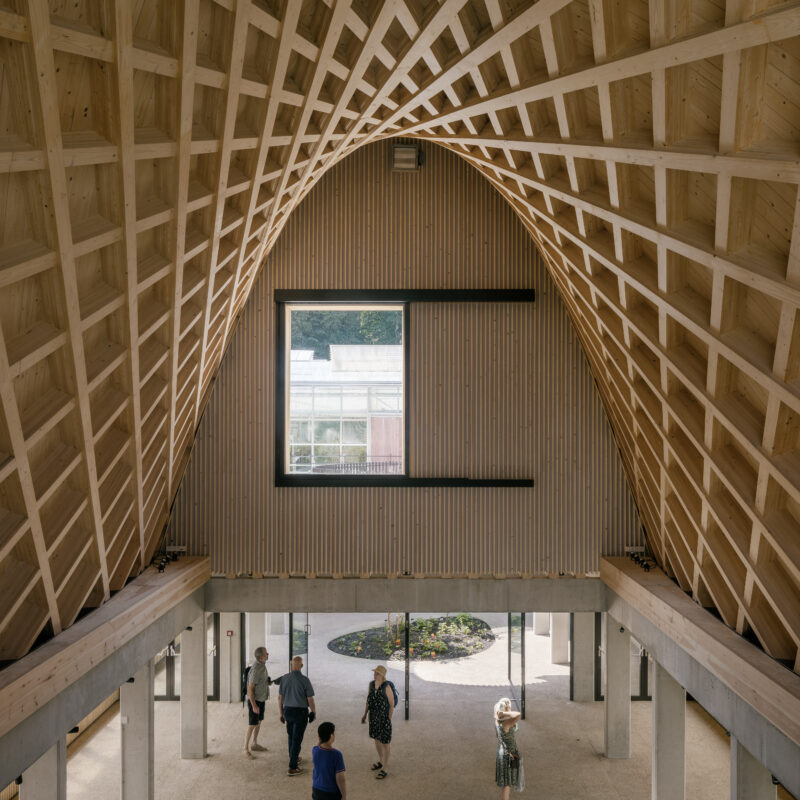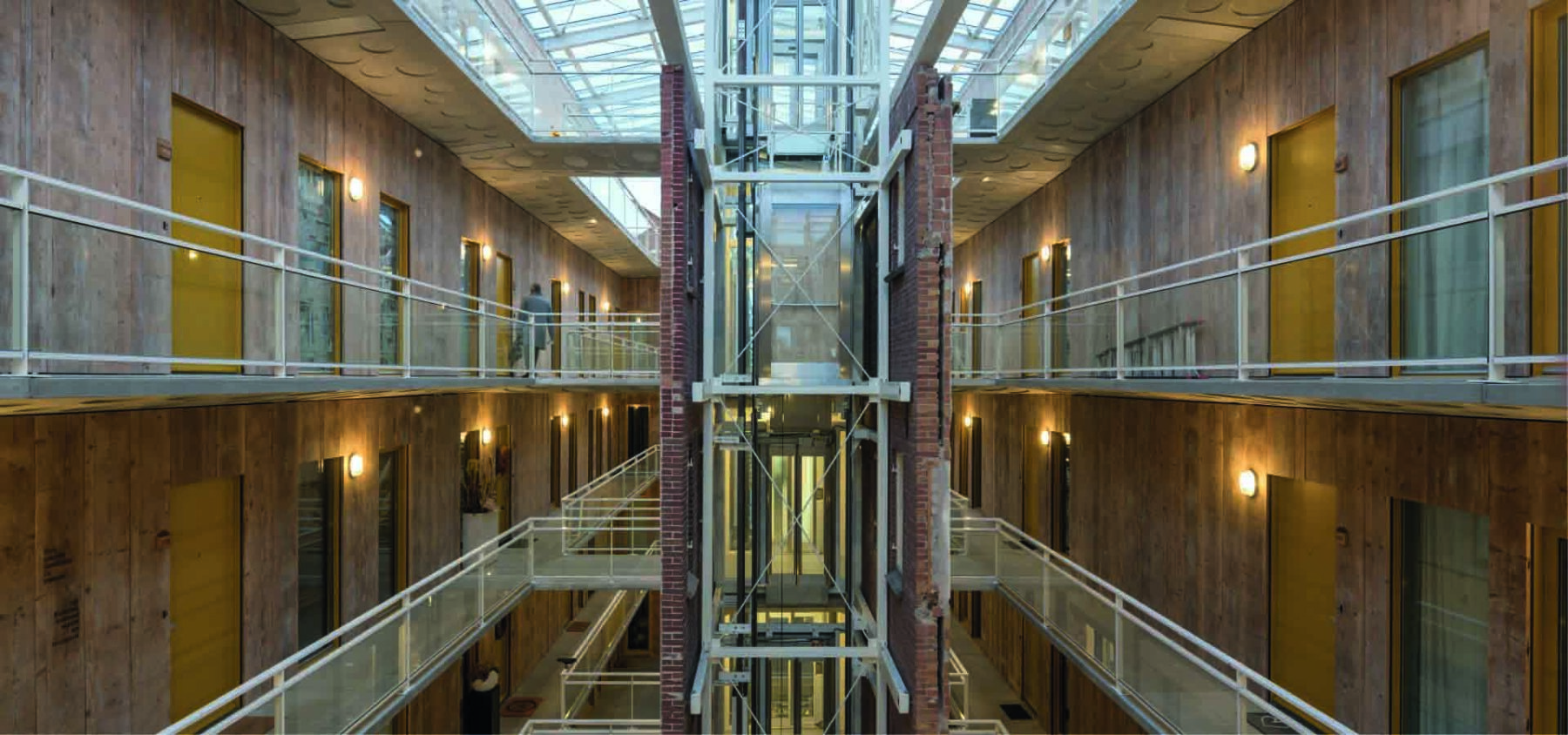
Anyone who thinks that Included is a project book about ‘inclusive architecture’, i.e. architecture that focuses on a number of population groups that are often consciously or unconsciously forgotten in our society, is in for a surprise. Mei architects and planners – Robert Winkel (co-founder of Archined), Robert Platje and Michiel van Loon – present a colourful coffee table book that categorises 25 years of architectural practice. For Mei, inclusive design is more about design methodologies than specific population groups. Repurposing, urban planning strategies, shared living environments, ecologically responsible building and innovative techniques and constructions form the common thread of the projects in this book.
This immediately reveals the biggest sticking point, not so much of the book as of the term ‘included’: inclusion is everything and nothing. Inclusion in the stricter and more common sense of the word is therefore nothing in this book: no projects in the care sector, around the issue of penitence or in socially disadvantaged neighbourhoods. On the contrary, by seeking to create innovative, vibrant living environments, Mei’s projects may even be more focused on gentrification. Mei is riding the wave of a buzzword and filling it with whatever it wants: inclusion becomes everything. The book is structured around very broad themes, such as attention to context, community, flexibility, vague ‘new values’ and subjective ‘aesthetic values’.