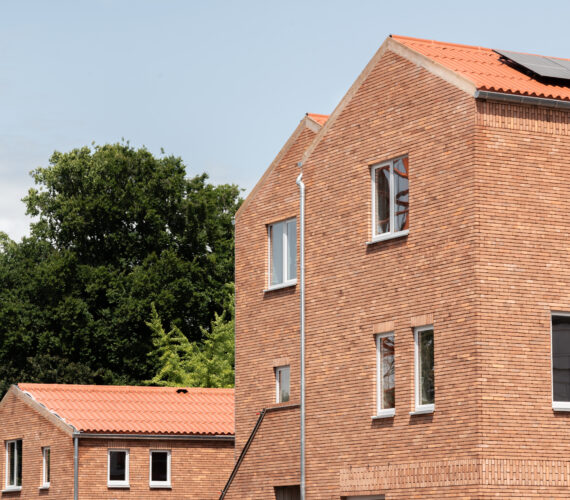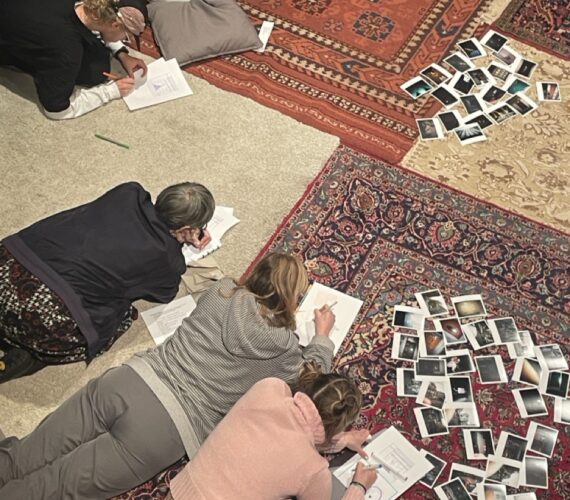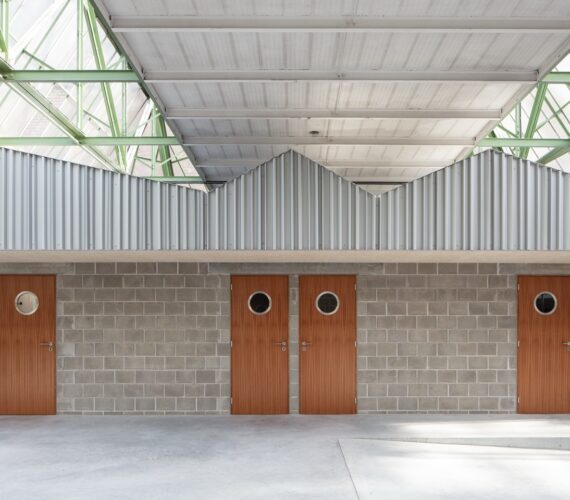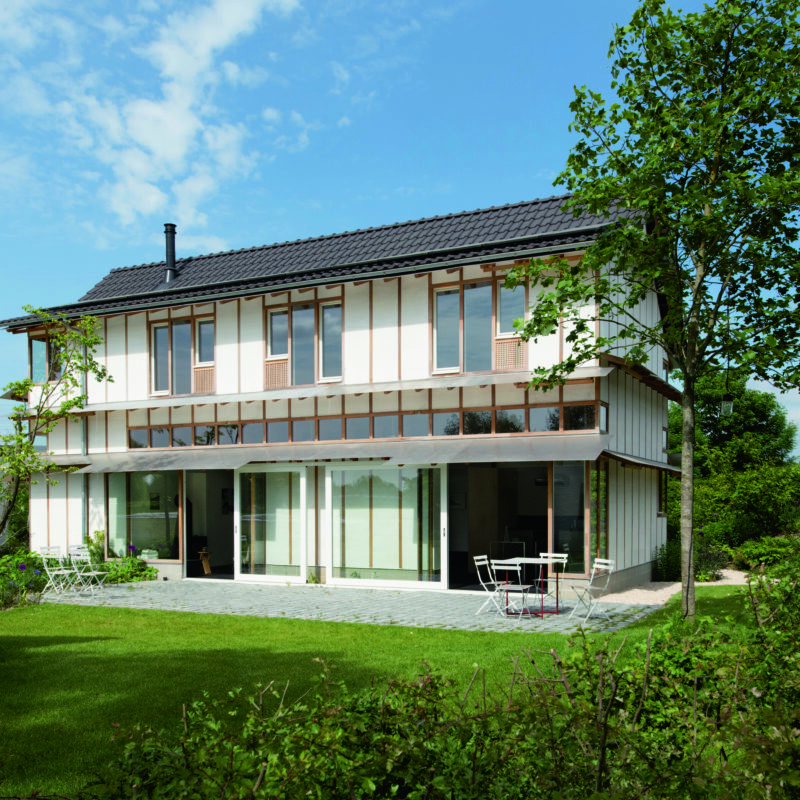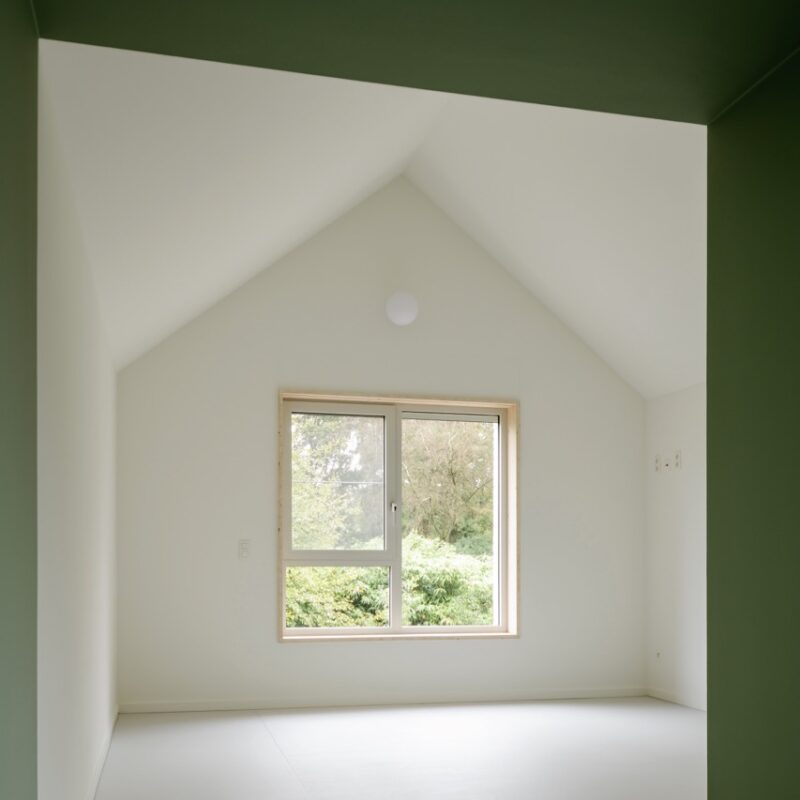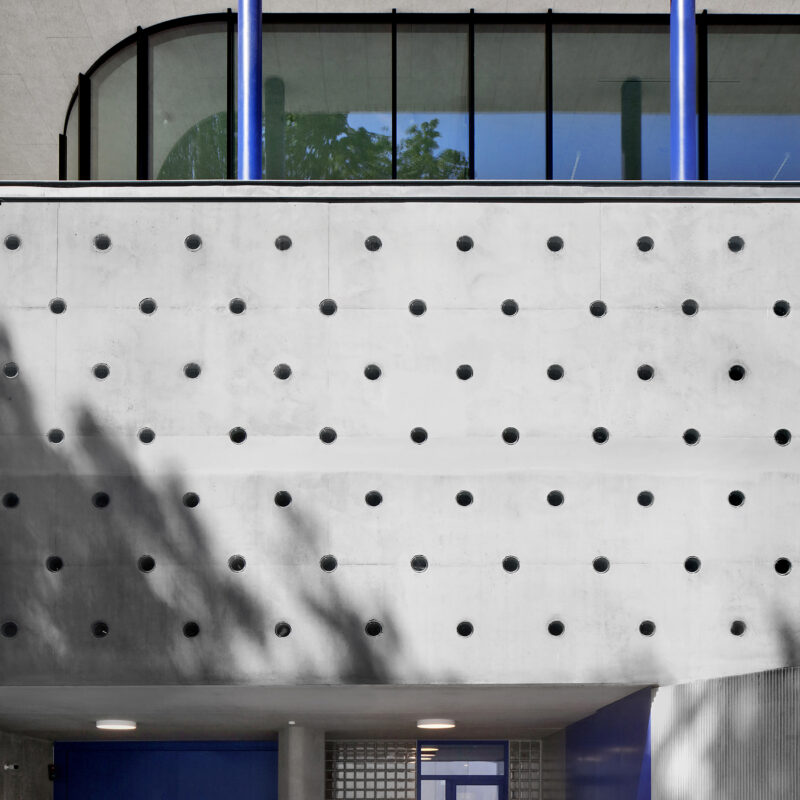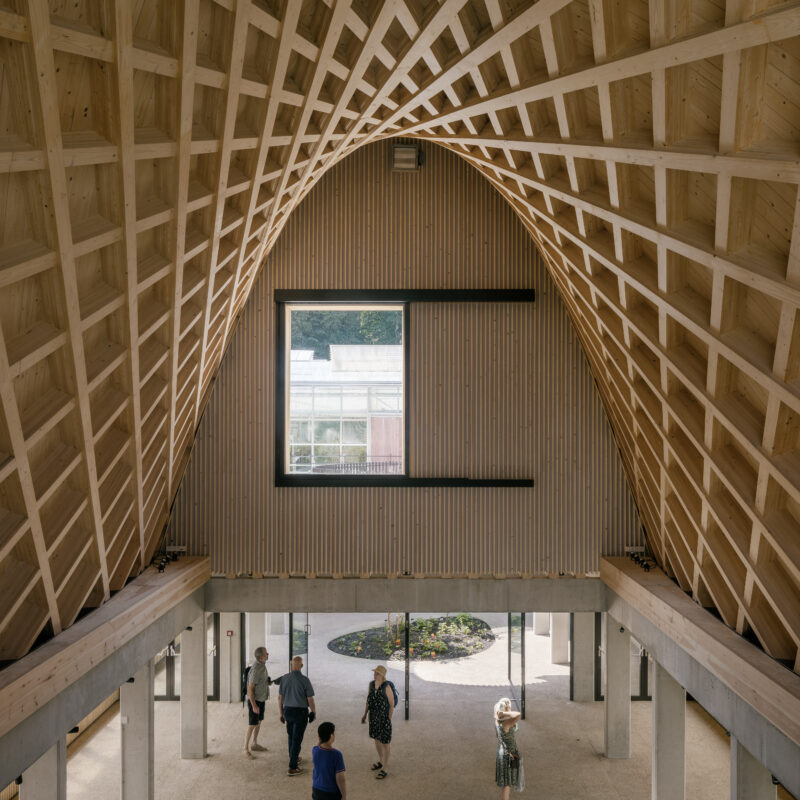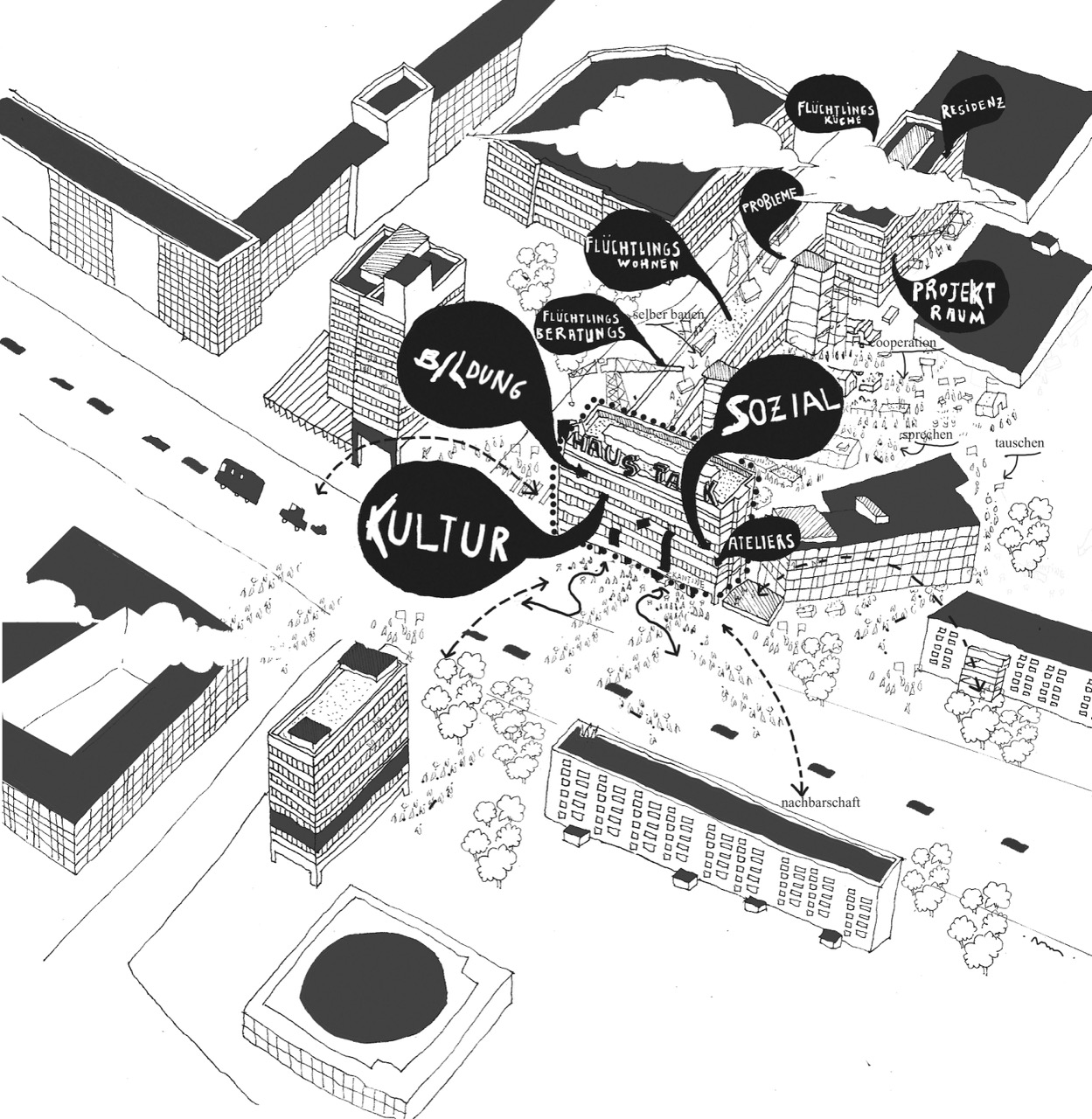
Co-creation, a process in which users and residents reflect together on a design, is not very common in public projects. Public authorities are not keen on lengthy, time-consuming procedures involving non-professional parties as the outcome is unpredictable. Planners and architects also prefer to avoid getting their fingers burned. And neither is there any real revenue model: every context requires a different approach. Nevertheless, some designers have chosen to do go down that path. They often work in very inventive ways. Here are three examples from Portugal, Germany and France.
In his 1970 book The Uses of Disorder, American sociologist Richard Sennett pointed out that urban planning in the twentieth century was the matter of highly educated middle-class professionals. Their designs aimed to create orderly environments with strict functional divisions because these corresponded to the world and values they were familiar with. They simply had no idea about – or were averse to – the lifestyles of less fortunate groups. And yet they had the best of intentions: they aimed for nothing less than Utopia, a place where everything would be settled for everyone, once and for all, preferably on a global scale. At least, as long as they didn’t have to descend into the everyday world to solve everyday problems. Sennett wrote this at a time when utopian, modernist urban planning was often proving to be a social and cultural failure. He believed another way was possible: you could also conceive ‘survival communities’ that promote confrontation and contact between people by transferring regulation, control, zoning, etc. – the planners’ entire toolbox – to the residents themselves. Working for specific places and a specific time, not for everyone and for all time. He thus provided an early intellectual legitimization of co-creation in public projects: without co-creation or cooperation between planners and residents, there can be no liveable cities.