What makes a well-designed spatial environment? One where the possibilities of design and building, of urban planning or infrastructural design are used convincingly for the realization of the polis and its public ideals, and where the collected architecture, landscape or infrastructure projects also demonstrate bouwkunst, ‘the art of building’. Or, if that old word immediately provokes too much resistance, demonstrate a cultural practice of building. This cannot then be evaluated merely in relation to the public (and private) objectives it serves, but also requires weighing the how within a cultural field of ideals, benchmarks and appreciation patterns.
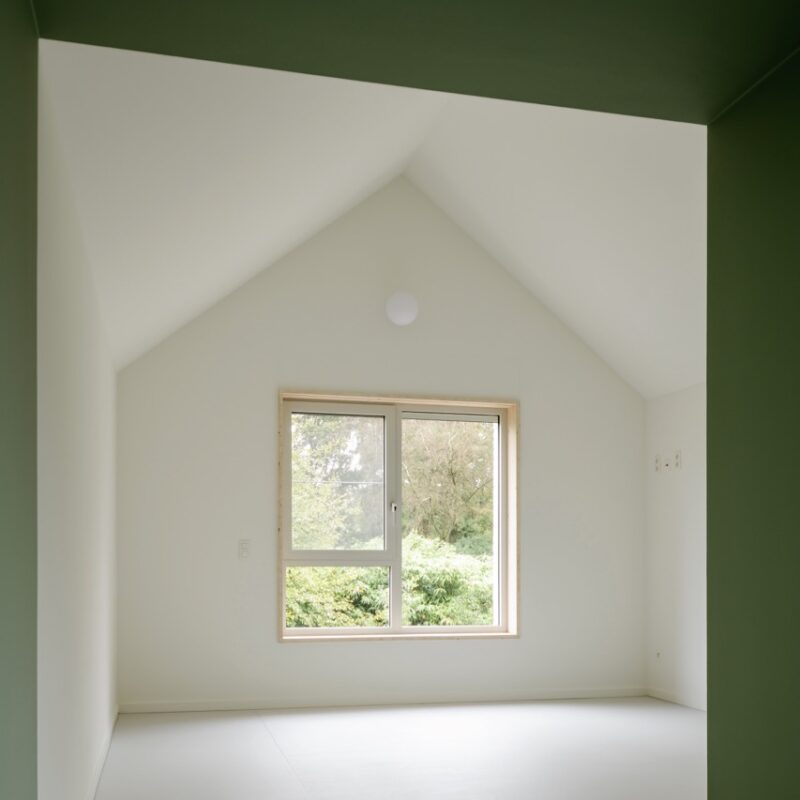
Critical work, then, for fellow architects, you might think, or for other architecture experts, but fortunately it is not that simple. This has a lot to do, firstly, with the fact that architectural-cultural appreciation cannot be separated from public-political appreciation, and, secondly, with the fact that architecture, neither in the past nor today, ever fell entirely within a distinct discipline with clear contours. Ungers’s Russian doll architecture for the Deutsches Architektur Museum in Frankfurt – with the archetypal white house inserted into the historic city palace, itself framed by a new base perimeter – could briefly suggest forty years ago that architecture could be captured by itself, but it is clear that this cannot be a thought model for architecture culture today.